-
CURTAIN UP!
Lucy on Stage ~ Epilogue
Lucille Ball has influenced theatrical stage plays as part of her legacy to the entertainment industry. There have been theatrical presentations that merely mention her name, or present her as a character. Here are a just a few examples.
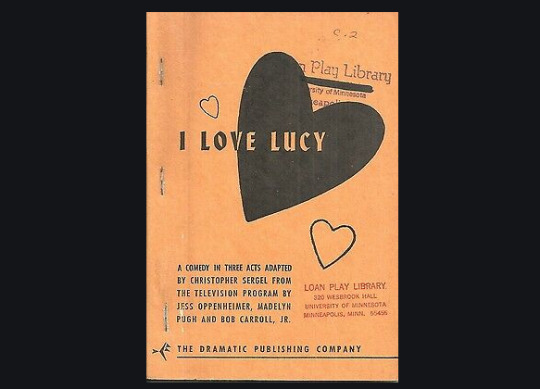
I Love Lucy ~ A three-act comedy adapted by Christopher Sergel from the television program by Jess Oppenheimer, Madelyn Pugh, and Bob Carroll Jr.
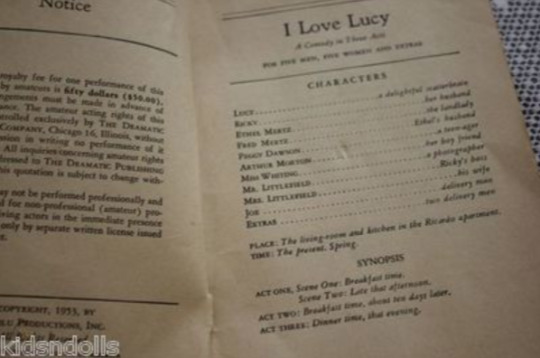
Act One opens in the Ricardos’ messy living room, based on the TV show’s eighth episode, “Men Are Messy.” Lucy and Ricky argue over finances. Lucy changes the subject by wanting to look up Ricky’s horoscope, from “The Séance.” She does this to encourage Ricky to ask Mr. Littlefield, owner of the Tropicana nightclub, for a raise (from “Ricky Asks for a Raise”). Peggy and Arthur, “The Young Fans” are also in the cast. Later, Mr. Littlefield comes over to the messy apartment and wonders how Ricky can manage the Tropicana if he can’t manage his own wife.
It is reported that in 1954, before television was widely available in Hawaii, Hilo High School put on the “I Love Lucy” play! The sister of a Hilo High School teacher living in Hollywood met with the publicity manager for Lucy and Desi and told them about the approaching production. Lucille Ball was reportedly “thrilled,” and asked for pictures of the Hilo High School cast. The “I Love Lucy” senior play had four daytime student performances and one night showing for the community. It was also staged at the Kilauea Military Reservation. The Arnazes sent them a congratulatory telegram.
“If you want to laugh until tears run down your cheeks and your sides ache go see ‘I Love Lucy,’ the hilarious comedy production by Hilo High School’s senior class. The cast literally had its audience rolling in the aisles.” ~ Thelma Olival in the Hilo Tribune Herald
After a few local and community performances, the Sergel script was withdrawn and is no longer in print.
In 1955, after “I Love Lucy” concluded its European Tour episodes, Hedda Hopper reported that Lucille Ball and Desi Aranz were in talks to appear in a stage musical produced by Rogers and Hammerstein.
“They’re figuring on an original story to fit their personalities, and it will bring these two back to the stage for the first time in 15 years. Desi was in ‘Too Many Girls’ in 1940 and Lucille road-toured in ‘Dream Girl’ after she quit Metro.” ~ Hedda Hopper, July 11, 1955
Needless to say, the project never materialized. Instead, Lucy and Desi opted for a sixth season of “I Love Lucy” set in Connecticut.
Bells Are Ringing (1956) is a Broadway musical by Betty Comden, Adolph Green and Jule Styne, which focuses on Ella Peterson (originally played by Judy Holliday), who works in the basement office of a telephone answering service. At a party attended by snobbish New Yorkers, the ensemble sings “Drop that Name”. One of the names dropped is Lucille Ball. The 1960 film adaptation (also starring Holliday and Lucille Ball’s friend Dean Martin) was directed by Vincente Minnelli, who had directed Ball in The Long, Long Trailer (1954).
“That’s the way you play the game. Drop that name!”
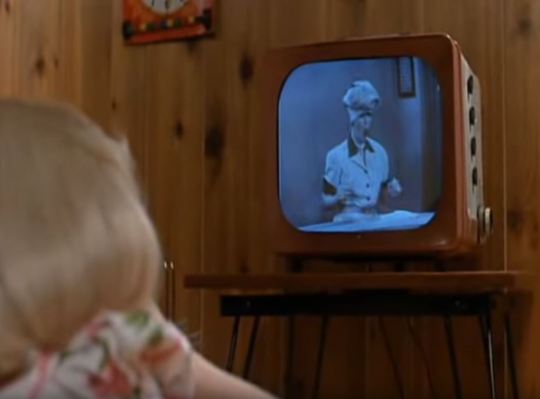
Little Shop of Horrors (1982) by Alan Menken and Howard Ashman follows a hapless florist shop worker who raises a plant that feeds on human blood and flesh. He has a romance with a fragile beauty named Audrey, who dreams of “Somewhere That’s Green.” The lyrics of the song imagine Audrey and Seymour married, settled down, and watching “I Love Lucy” with their children. When the film was made in 1986, the song was turned into a dream sequence that featured footage of “I Love Lucy’s” famous chocolate factory scene from “Job Switching” (1952).
“We snuggle watchin’ Lucy On our big, enormous twelve-inch screen!”
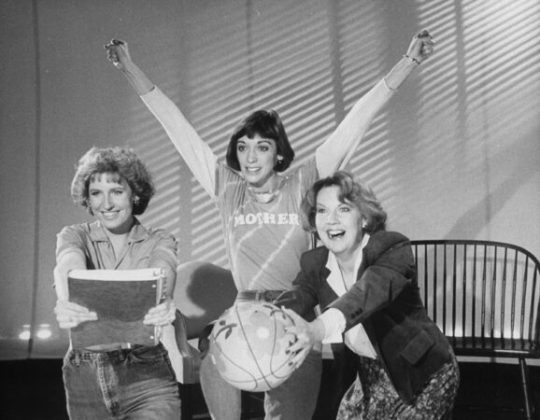
Baby (1983) is a Broadway musical by David Shire, Richard Matlby Jr, and Sybille Pearson that dealt with the effects of motherhood on three couples. During the song “I Want It All” the three expectant mothers (originally Liz Calloway, Catherine Cox, and Beth Fowler) sing about the famous and powerful women they emulate.. including Lucille Ball.
“I want to be Mother Teresa, Sally Ride, Lucille Ball. I want it all!”
Senator Joe (1989) was a Broadway ‘popera’ by Tom O’Horgan and Perry Arthur Kroeger that dealt with famous red-hunting Senator Joseph McCarthy. The show closed in previews due to accusations of financial misconduct by its producer.
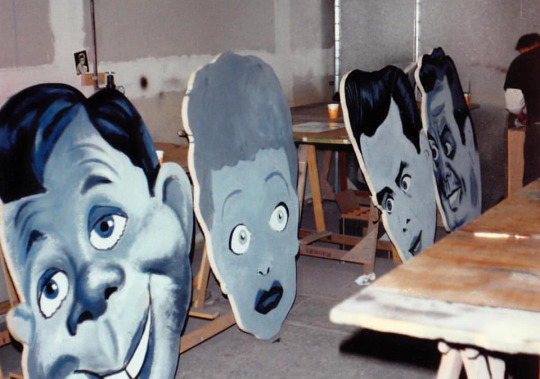
(Photo courtesy of Perry Arthur Kroeger. Used by permission.)
Lucille Ball was accused of being a communist by McCarthy in 1953. The show featured large cut-out heads of Lucy and Desi (as well as Jackie Gleason and Howdy Doody), with their dialogue voiced by Michelle Fleischer and Tom Desrocher. The show played at the the Neil Simon (formerly the Alvin), the same venue where Lucille Ball’s name was dropped in Bells Are Ringing and Ball made her only Broadway appearance in 1960′s Wildcat. When Ball suddenly died in 1989, news reporters stood outside the theatre, which still displayed the marquee for “Senator Joe”!
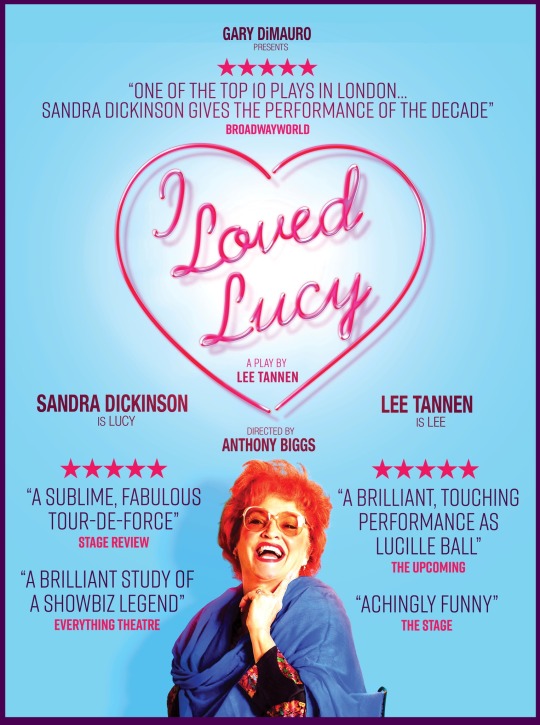
I Loved Lucy is a play by Lee Tannen, based on his 2001 book of the same title about his friendship with Lucille Ball. The two person play (Lucy and Lee) presents their developing relationship over a series of conversations and backgammon games during the last years of her life.
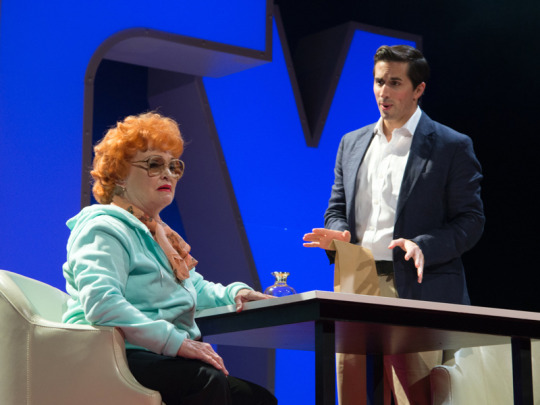
The play has had numerous productions, including New York City and London, where it starred Sandra Dickinson as Ball and Matthew Scott as Lee. Tannen has also played himself in some productions.
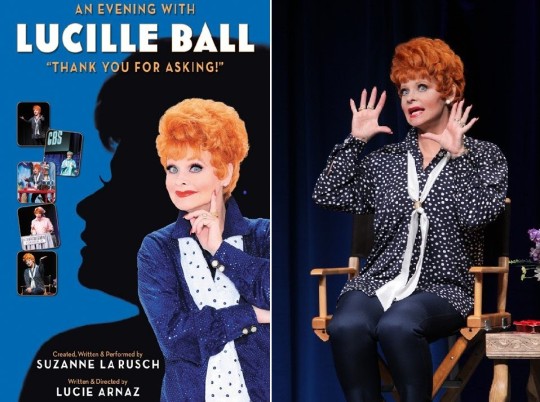
An Evening With Lucille Ball: Thank You for Asking is a one woman show starring Suzanne LaRusch as Lucy, written and directed by Lucie Arnaz. It is structured after a series of real-life Q&As and seminars Lucille Ball conducted in the 1970s, enhanced with flashbacks to earlier periods in the actress’s astonishing career and silent home movies. LaRusch was originally a strolling Lucy impersonator at Universal Studios who parlayed her uncanny imitation into this unique ‘sanctioned’ show as well as playing ‘Lucy’ in the 1997 feature film Timecop.
Lucy Loves Desi: A Funny Thing Happened on the Way to the Sitcom is a staged radio play produced by L.A. Theatre Works from a script by Gregg Oppenheimer, son of “I Love Lucy” creator Jess Oppenheimer.
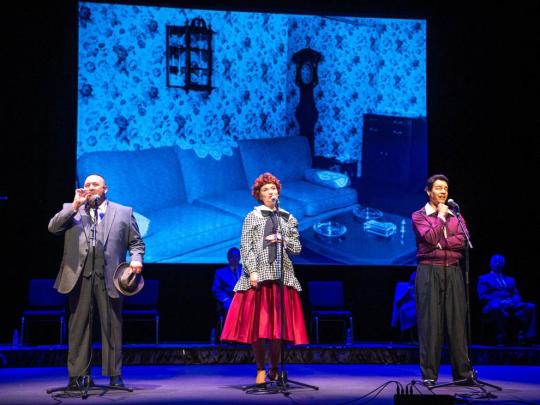
Originally an audio play, the show has since been staged and toured. Six performers play Lucy, Desi, Jess Oppenheimer, and the other central figures responsible for the launch of the series. The show employs projections and music.
The Cuban and the Redhead is a musical by Robert Bartley and Danny Whitman deals with the tumultuous relationship of Lucille Ball and Desi Arnaz and the creation of the television show that was their legacy.
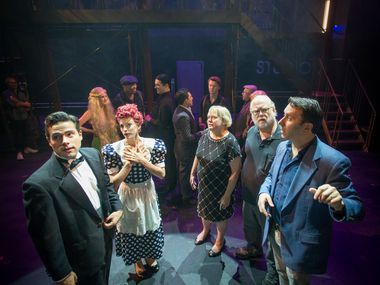
The musical has had numerous readings and regional productions.
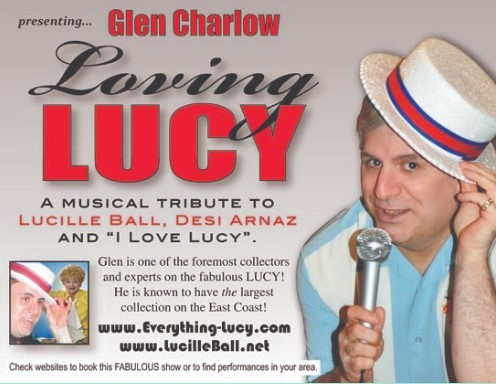
I Love Lucy: Live On Stage is a theatrical presentation of “I Love Lucy” scripts staged by Rick Sparks.
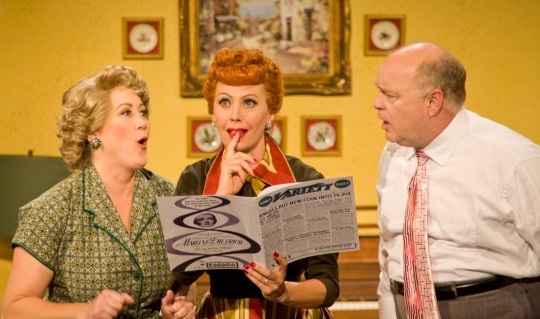
The show has toured extensively in the USA and Canada. The settings, costumes, and wardrobe contribute to bringing the television program vividly to life.
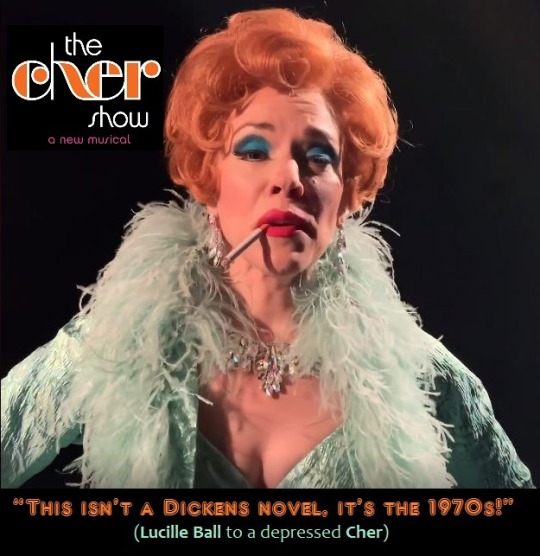
The Cher Show (2017) is a jukebox musical with a book by Rick Elice that tells the story of the life and career of Cher, using songs that she performed throughout her career. The part of Cher is played by three actresses. One actress (originally Emily Skinner) plays Cher’s mother Georgia Holt, and Lucille Ball. Holt was a background performer on “I Love Lucy” and “The Lucy Show.” Once again, the Neil Simon (formerly Alvin) Theatre is the venue.
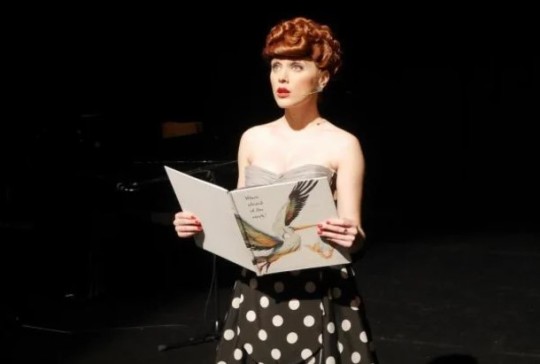
Everybody Loves Lucy by Elise McCann and Richard Carroll. In the cabaret show Francine Cain brings Lucille Ball to life, revealing the woman behind the image. As well as playing Ball, Cain also plays Edie, an amalgam of the women who watched “I Love Lucy” in the 1950s.
SIdekicked by Kim Powers is a one-woman about Vivian Vance. Set on March 2, 1960, Vance is about to turn herself into Ethel Mertz, America’s most beloved side kick, for the final time. Although Lucille Ball is not represented on stage, she is the center of Vance’s world at the time.
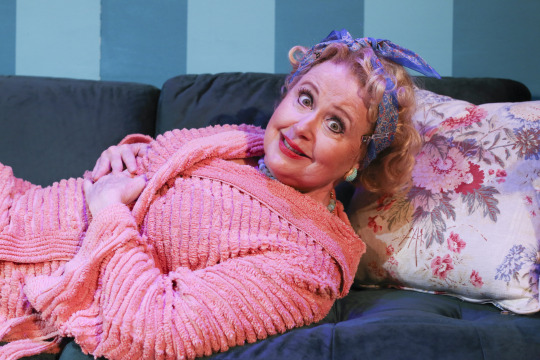
The play has had several regional productions, including at Cape May Stage (NJ) where Sally Mayes (above) played Vance.
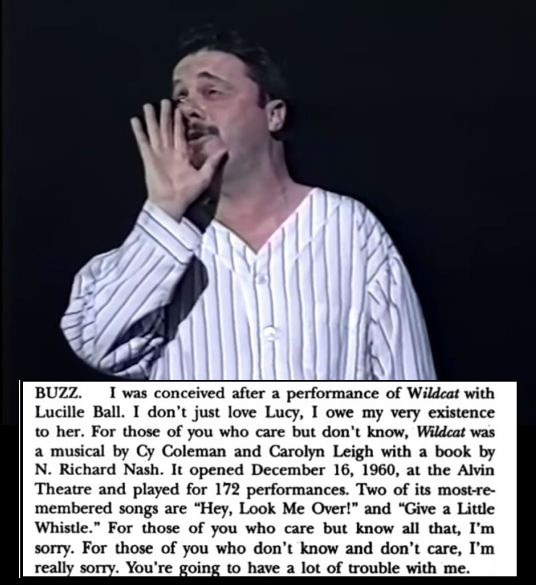
Love! Valour! Compassion! (1994) by Terrence McNally is a play about a group of gay friends that escape to a lakeside house. The character of Buzz (originally Nathan Lane) tells the audience that he owes his very existence to Lucille Ball. In the 1997 film version, Buzz was played by Jason Alexander.
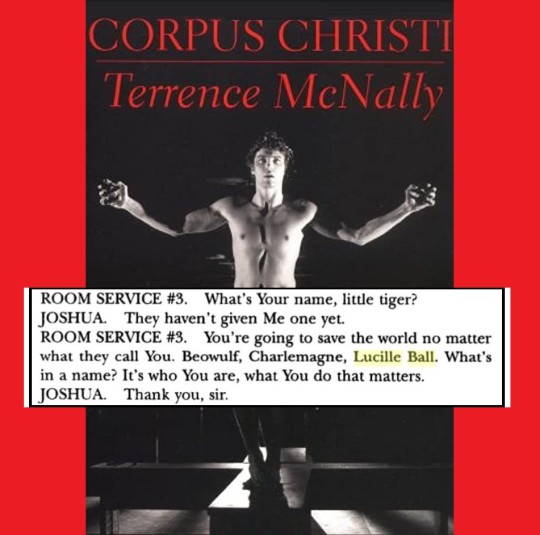
Corpus Christi (1997) by Terrence McNally is a modern retelling of the story of Jesus’ birth, ministry, and death. McNally mentions Lucille Ball in a scene between Joshua (the Jesus prototype) and a room service waiter.
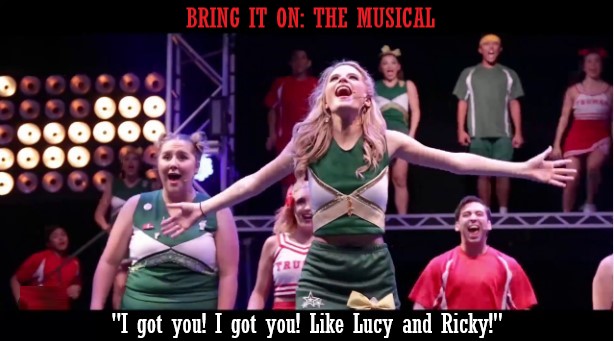
Bring it On: The Musical (2011) is a musical with music by Tom Kitt and Lin-Manuel Miranda, lyrics by Amanda Green and Miranda, and book by Jeff Whitty loosely based on the 2000 film of the same name. It focuses on the competitive world of cheerleading and over-the-top team rivalries. During the song “I Got You” Lucy and Desi are mentioned. The song was performed during the televised Macy’s Parade on Thanksgiving Day 2012.
MISCELLANEOUS LUCY
-
CURTAIN UP!
Lucy On Stage ~ Act 4
Lucille Ball’s dream was to be on Broadway. She achieved that goal in 1960, but along the way she found herself on various other stages. Here’s a look at Lucille Ball, stage actress.
In school, Lucille’s mother Dede encouraged her daughter to be active in the drama club. Lucille performed and directed with the group, staging a production of Charley’s Aunt by Brandon Thomas, which opened on Broadway in 1893. In the above photo, Lucille Ball is seated in the front row, second from the left. Her teacher was named Lillian Appleby. Lucille later honored her by naming a character on “I Love Lucy” after her.
The Celoron, New York, grammar school Lucille attended (above) has long since been razed. But a formative moment in Lucille Ball’s life occurred on this site when her stepfather, Ed Peterson, brought her to see a performance by the renowned monologist Julius Tannen in the school auditorium. As Lucy remembered, “I don’t think a stage career ever occurred to me until that night.” Lucille left school before graduating, going to New York City to attend drama school. The experiment was short-lived and Lucille returned home.
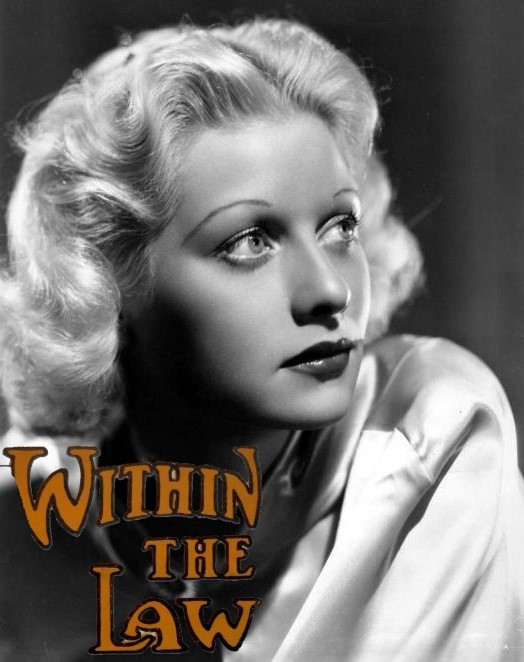
In 1929, 18 year-old Lucille Ball was cast in a production of Within the Law by Bayard Veillier – her first stage performance outside of school. Lucille played the supporting role of Agatha at Jamestown’s Shea Theatre. In 1991, the theater was renamed The Lucille Ball Little Theatre in a ceremony with Ball’s family in attendance.
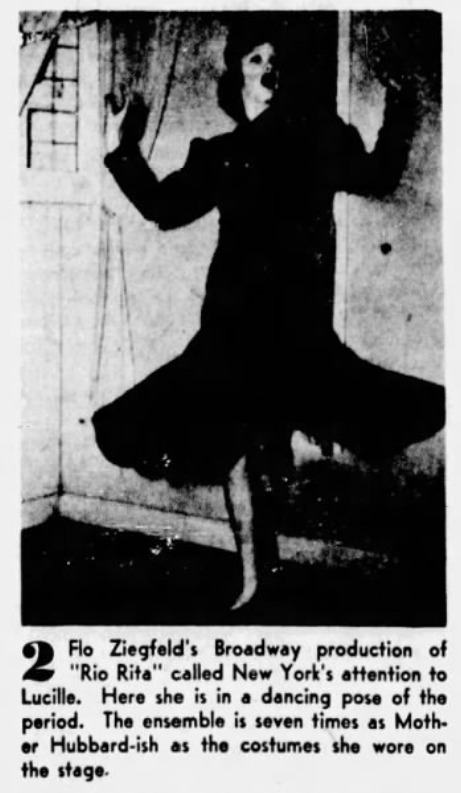
Back in Manhattan, Lucille was cast (but quickly fired) from the chorus of two road shows of Broadway productions. Rio Rita was a New York hit produced by Flo Ziegfeld.
In a 1963 epsiode of “The Lucy Show” Lucy Carmichael says that Thelma Green (Carole Cook) once appeared in the third road company of Rio Rita. The writers used Ball’s real-life history but attributed it to Thelma.
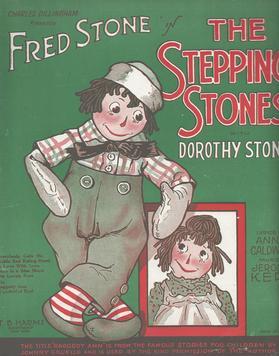
She was also in the road company of The Stepping Stones, a musical fantasy about Raggedy Ann and Andy starring Fred and Dorothy Stone. Again, Lucille was quickly let go.
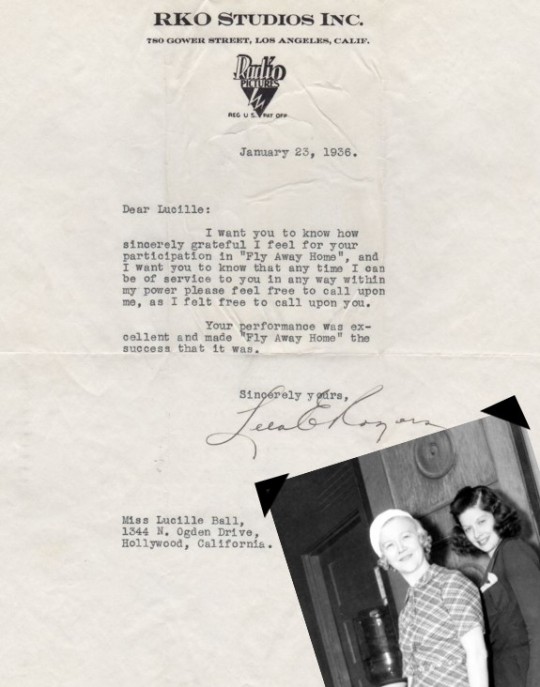
In Hollywood, Lucille Ball was coached by Lela Rogers, Ginger’s mother, on the RKO lot. At the RKO Little Theatre (later the Desilu Workshop Playhouse) Lucille appeared in several plays. In 1936 she was in Fly Away Home, a play that had appeared on Broadway the year before starring Montgomery Clift and Sheldon Leonard. Agents, Managers, and members of the public could attend for twenty five cents.
Also in 1936, she appeared in Breakfast With Vanora by Fred Ballard, which received good notices in the press. Lucille played the leading role and Barbara Pepper was in the ensemble. Above, Lela instructs John Shelton how to hold a gun while Lucy looks on.
In 1937, Lucille took a break from Hollywood to make (what she hoped) would be her Broadway debut in Hey Diddle Diddle, a play by Bartlett Cormack starring Conway Tearle. The play premiered at McCarter Theatre in Princeton, New Jersey, with a destination of the Vanderbilt Theatre on Broadway. In its second out-of-town stop in Washington DC, Tearle become gravely ill. That, combined with the fact that producers felt the script needed revisions, caused the production to be halted. Lucille returned to Hollywood. In 1953, Tearle’s name was mentioned on “I Love Lucy.” He had died in 1938.
In mid-1947, now married and a successful film star, Lucille Ball again began to think about her stage aspirations and left Hollywood for the boards. She toured in a revival of Dream Girl, a fantasy play by Elmer Rice that had played Broadway in 1945.
The play’s fantasy sequences seemed tailor-made for Ball’s style and comic wit. In a way, Georgina was a prelude to the “Lucy” character on TV, who is dreaming her way out of her suburban life – and sometimes succeeding.
The play co-starred Scott McKay as the imaginative writer. McKay played the role of Wilbur in the 1958 pilot for TV’s “Mr. Ed” but was replaced on the series by Alan Young.
“I have seen other productions of this play, but the only actress whose performance really delighted me was Lucille Ball. She lacked… tender wistfulness, but her vivid personality and expert timing kept the play bright and alive.” ~ Edgar Rice, Playwright
The tour was produced by Herbert Kenwirth who later directed 14 episodes of “Here’s Lucy.” It featured Barbara Morrison, Alan Hewitt, and Hayden Rorke, who would all later appear on Lucy sitcoms.
In January 1948, Lucille got the opportunity to recreate the role in Los Angeles, but fell ill with a virus shortly after it opened and the show closed prematurely. It wasn’t long before Lucille was back in front of a live audience, but this time on radio, as the star of the sitcom “My Favorite Husband,” which led to her meteoric success on “I Love Lucy.”
After the series came to an end in early 1960, Lucille again revived hopes of acting on Broadway. Wildcat, a new musical about by Richard Nash with songs by Cy Coleman was looking for a star. Nash had envisioned the main character of as a woman in her late 20s, and was forced to rewrite the role when 49 yearl-old Lucille Ball expressed interest not only in playing it but financing the project as well. Lucille personally chose her co-stars Keith Andes as her love interest and Pauls Stewart as her sister. Future sitcom star Valerie Harper was in the chorus (above right).
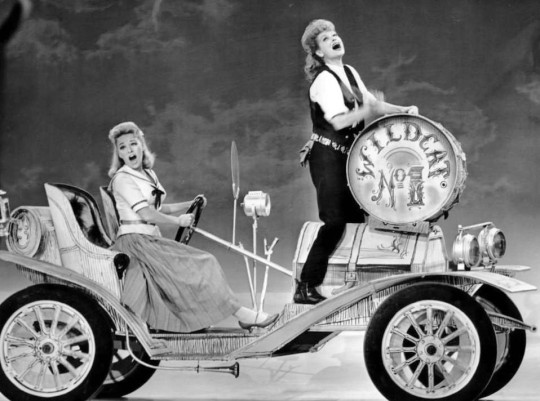
Lucille played Wildcat ‘Wildy’ Jackson, who dreams of striking oil in 1912 Centavo City, California. The score included what would become her signature tune: “Hey, Look Me Over”.
The Philadelphia tryout opened on October 29, 1960 to a glowing review from Variety, but local critics were less enthusiastic. The scheduled Broadway opening had to be postponed when trucks hauling the sets and costumes to New York were stranded on the New Jersey Turnpike by a major blizzard. After two previews, the show opened on December 16 at the Alvin Theatre (now the Neil Simon).
Ball quickly realized audiences had come expecting to see her Lucy Ricardo persona and began ad-libbing to bring her characterization closer to that of the zany housewife she had portrayed on television. But the rigors of singing and dancing in a Broadway musical eight times a week caught up with Ball. She got illl and demands for refunds ran high, the producers planned to close the show for a week to allow her to recover. The closure came sooner than planned when Ball, suffering from a virus and chronic fatigue, departed for Florida. She returned two weeks later, but collapsed on stage. It was decided the show would close for nine weeks at the end of May and reopen once its star had fully recovered but when the musicians’ union insisted on members of the orchestra being paid during the shutdowns. Not even Lucille’s deep pockets could afford the cost, and the show closed permanently on June 3, 1961.
Lucille returned to Hollywood, her dream realized, even if it was short-lived. Thereafter, she would incorporate her love for theatre into her television and film performances, starring in many ‘mini-musicals’ on “The Lucy Show” and “Here’s Lucy” and – in 1974 – tackling the full-scale Broadway musical Mame on film.
CURTAIN DOWN on ACT 4
-
CURTAIN UP!
Lucy On Stage ~ Act 3
Lucille Ball’s dream was to appear on Broadway. That dream become a reality in 1960, but ended prematurely. if Lucy couldn’t be on Broadway, Broadway would come to Hollywood – on Lucy’s new TV show “Here’s Lucy.”
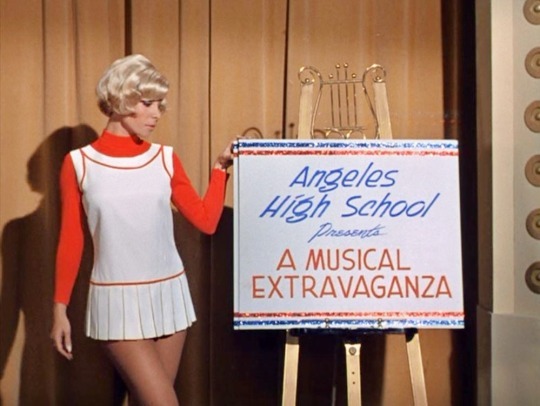
“A MUSICAL EXTRAVAGANZA”
“Lucy and Carol Burnett” (1969) ~ Lucy convinces Carol Burnett to star in a benefit to raise money to build a gymanasium at Kim and Craig’s high school. The show is divided into three parts:
PART I – WE GOT NO GYM (Introduction)
- “Yes! We Have No Gymnasium” (aka “Yes! We Have No Bananas”) was written by Frank Silver and Irving Cohn from the 1922 Broadway revue Make It Snappy.
- Carol does a brief time step to the melody of “There’s No Business Like Show Business,” a song written by Irving Berlin for the musical Annie Get Your Gun.
PART II – WE GOT THE MONEY (a visual lesson in geography)
- NEW YORK, NY ~ “The Lullaby of Broadway” was written by Harry Warren and Al Dubin. It was introduced musical film Gold Diggers of 1935 and won the Academy Award for Best Original Song. The song is now part of the Broadway musical 42nd Street.
- ST. LOUIS, MO ~ “You Came a Long Way From St. Louis” by John Benson Brooks and Bob Russell.
- SHEBOYGAN, WI – “Mention My Name in Sheboygan” was written by Bob Hilliard, Dick Sanford and Sammy Mysels in 1947. The second verse mentions NEW ORLEANS and the third TEXAS.
PART III – WE GOT OUR GYM (a celebration of physical education)
- A marching band plays “Buckle Down, Winsocki” from the 1943 film Best Foot Forward in which Lucille Ball played herself.
- Craig sings “You Gotta be a Football Hero (To Get Along with the Beautiful Girls)” by Al Sherman, Buddy Fields and Al Lewis in 1933.
- Kim sings “All American Girl” written by Al Lewis in 1932.
- A display of gymnastics in which Harry (Gale Gordon) does a cartwheel.
- The finale is “Fit as a Fiddle” written by Arthur Freed, Al Hoffman, and Al Goodhart in 1932. In 1952 it achieved fame after being featured in the classic film Singin’ in the Rain.
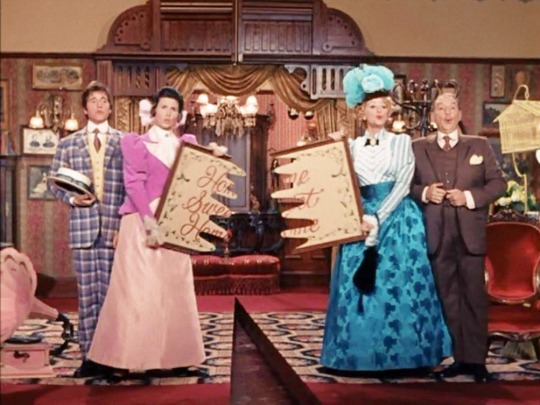
“THE GENERATION GAP THROUGH THE AGES”
“Lucy and the Generation Gap” (1969) ~ Kim and Craig are in charge of producing the school play. At a loss for ideas, they recruit Lucy and Harry to be in a musical about the generation gap. The show is divided into three parts:
The Roman Era
- Lucy and Harry play parents Calpurnia and Caesar. Kim is their daughter Kimea and Craig is their son Craigius. They sing “Kids Are Bugged About Parents” to the tune of “I’m Just Wild About Harry,” a song written in 1921 by Eubie Blake for the Broadway show Shuffle Along.
In The Gay Nineties
- Harry plays Ambrose, the father. Lucy and the kids don’t get different names in this segment. The foursome sing “We’ll Just Cut the Old House in Two” which is sung to the tune of “Bicycle Built for Two” aka “Daisy Bell” written in 1892 by Harry Dacre.
In The Space Age
- Kim wants to go to Jupiter with Spencer. When Lucy refuses because it is an overnight trip, Lucie reasons that Helen’s mother lets her go. Harry points out that Helen’s mother is a robot – and always “well-oiled.” They sing “Kids” a song written by Lee Adams and Charles Strouse for the 1960 Broadway musical Bye Bye Birdie, filmed in 1963.
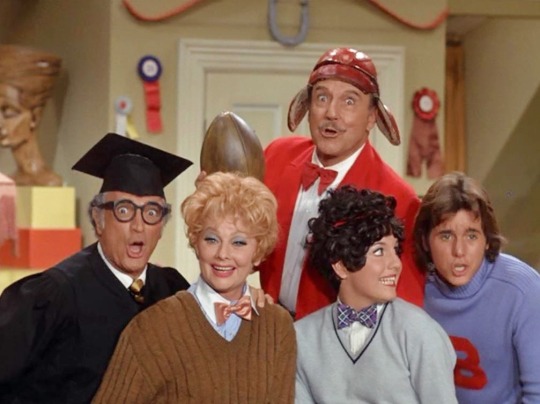
“IT’S ALWAYS DO-WACKA-DO AT BULLWINKLE U!”
“Lucy the Co-Ed” (1970) ~ Harry’s old flame Gloria (Marilyn Maxwell) is in town to help produce a musical for their college alumni. They resurrect a show Harry wrote in 1928 and cast Lucy, Kim, and Craig in supporting roles.
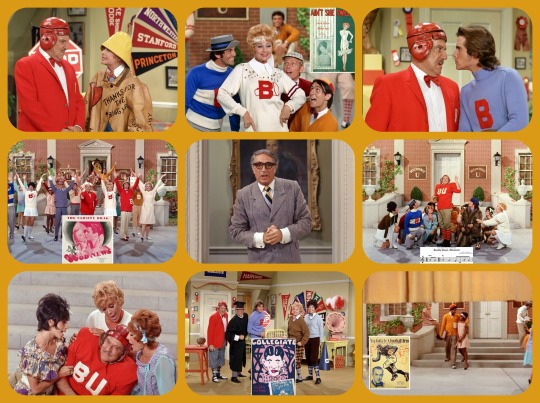
The musical comedy is set at Bullwinkle University. The cast includes Lucy as Ginger the head cheerleader, Harry as Crazy Hips the football star, Kim (Lucie Arnaz) as Honey, Craig (Desi Arnaz Jr.) as Dead End, Gloria (Marilyn Maxwell) as the Nurse, and Robert Alda as the Dean.
- As the curtain goes up, the orchestra plays “You Gotta be a Football Hero (To Get Along with the Beautiful Girls)” written by Al Sherman, Buddy Fields and Al Lewis in 1933.
- As Ginger (Lucy) enters, the boys sing “Ain’t She Sweet” written in 1927 by Milton Ager and Jack Yellin.
- When Crazy Hips (Harry) enters in his football uniform the girls sing “Baby Face” written in 1926 by Harry Akst and Benny Davis.
- The students all sing “Buckle Down Bullwinkle” to the tune of “Buckle Down Winsockie” a song written for the film Best Foot Forward (1943) in which Lucille Ball did a cameo as herself.
- Ginger, Honey, Dead End, Crazy Hips, and the Dean (Robert Alda) sing “Collegiate” written in 1925 by Nat Bonx and Moe Jaffe.
- The musical ends with “Varsity Drag,” a song written by Lew Brown and B.G. DeSylva for Good News, which was seen on Broadway in 1927 and on screen in 1947 when it was nominated for an Academy Award for Best Song.
“THE HOLLYWOOD UNEMPLOYMENT FOLLIES or HOW TO STARVE IN SHOW BUSINESS WITHOUT REALLY TRYING”
“Lucy and Carol Burnett Salute Hollywood” (1971) ~ Harry has fired Lucy again, so she visits the unemployment office where she reunites with secretary turned actress Carol Krausmeyer (Carol Burnett) and meets other out of work show biz folk. They decide to put on a show in order to make some dough!
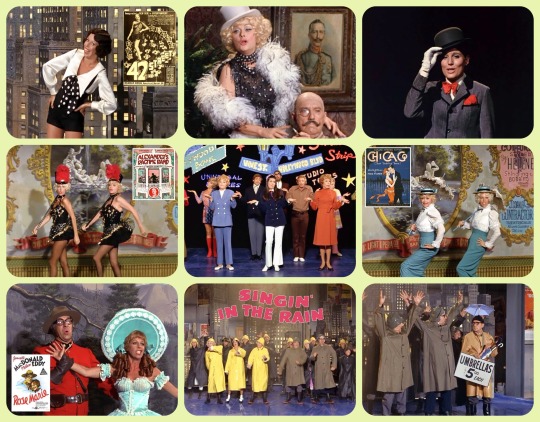
- The ensemble sings “Hooray for Hollywood” a song by Johnny Mercer and Richard A. Whiting that was first sung in the 1937 movie Hollywood Hotel.
- After a backstage tour of Hollywood memorobilia, Lucy and Carol sing “Chicago (That Toddlin’ Town”) a song written by Fred Fisher and published in 1922.
- After a quick costume change, they sing “Alexander’s Ragtime Band” which was composer Irving Berlin’s first hit in 1911.
- Kim introduces (through song) Bill ‘Bojangles’ Robinson doing a tap routine which she joins in.
- Four Canadian Mounties sing “Stout-hearted Men,” a song by Sigmund Romberg and Oscar Hammerstein II written for the operetta New Moon in 1927, with film versions in 1930 and 1940. Richard Deacon (also dressed as a Mountie) and Carol Burnett sing “Indian Love Call” by Rudolf Friml, Herbert Stothart, Otto Harbach, and Oscar Hammerstein II written for the 1924 operetta Rose-Marie.
- Dressed as Marlene Dietrich, Lucy sings “Falling in Love Again (Never Wanted To)” from the 1930 German film The Blue Angel. Harry plays a World War I German soldier.
- The Highhatters introduce Carol as Miss Ruby Keeler and they sing “Shuffle Off To Buffalo” by Al Dubin and Hugh Warren, originally written for the 1933 film 42nd Street.
- As the finale, the entire ensemble is dressed in rain slickers and performs “Singin’ in the Rain” written by Arthur Freed and Nacio Herb Brown in 1931. It was most famously featured in the film Singin’ in the Rain in 1952. Jack Benny makes a cameo appearance selling umbrellas!
“THE FAREWELL SHOW”
“Lucy Goes Hawaiian: Part 2″ (1971) ~ Lucy and Harry have to put a ‘Farewell Show’ for the final night of their cruise. Viv, Kim and Craig are along to help her to produce a Hawaiian extravaganza.
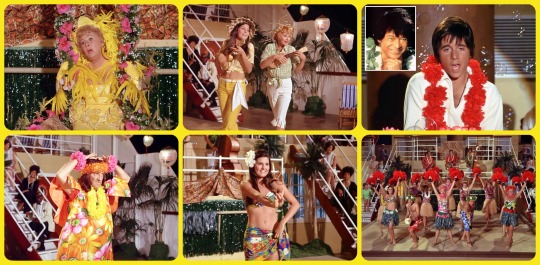
- Dressed as a canary, Vivian sings “Yellow Bird” (aka “Choucoune”) a 19th-century Haitian song composed by Michel Mauleart Monton with lyrics from a poem by Oswald Durand. It was rewritten with English lyrics in the 20th century as “Yellow Bird.”
- Kim and Lucy sing “Ukulele Talk” by Ervin Drake, written in the 1920s.
- Craig does an impression of Don Ho (inset), singing “Tiny Bubbles” by Martin Denny and Leon Pober. It was released in 1966 by Ho and became his signature song.
- Lucy and Viv sing the 1957 novelty song “Mama’s Mumu” by Gene Burdette. Harry makes a special appearances as ‘Mama’.
- The Captain (Robert Alda) sings “Just Keep Your Eyes on the Hands” while Kim dances a seductive hula. The song was written by Tony Todaro and Liko Johnston and was interpolated into the 1956 film The Revolt of Mamie Stover.
- The Carters perform “A Hawaiian War Chant,” written by Johnny Noble, a composer who was a native Hawaiian.
“Lucy and Candid Camera” (1972) ~Thinking they are pulling off a Candid Camera stunt, Lucy, Harry and Kim rob the City Bank. The crime is done while performing a Broadway Musical song and dance medley especially written for this episode:
- “Stealin’ the Jack” aka “Ballin’ the Jack” was written in 1913 by Jim Burris and Chris Smith.
- “Hello, Dollar!” aka “Hello, Dolly!” is the title song of the 1964 musical of the same name written by Jerry Herman.
- “Whatever Lucy Wants” aka “Whatever Lola Wants” is by Richard Adler and Jerry Ross from the 1954 musical Damn Yankees.
- “We Got the Money” aka “We’re in the Money or The Gold Diggers Song” was written by Al Dubin and Harry Warren for the film The Gold Diggers of 1933. It is now part of the stage musical 42nd Street.
- “The Impossible Dream or The Quest” was written by Joe Darien and Mitch Leigh for the 1964 musical Man of La Mancha.
- “Please Don’t Talk About Us When We Go” aka “Please Don’t Talk About Me When I’m Gone” was written by Sidney Clare and Sam H. Stept in 1930.
- “Hey Look Me Over” written in 1960 by Cy Coleman for the Broadway musical Wildcat and introduced by Lucille Ball.
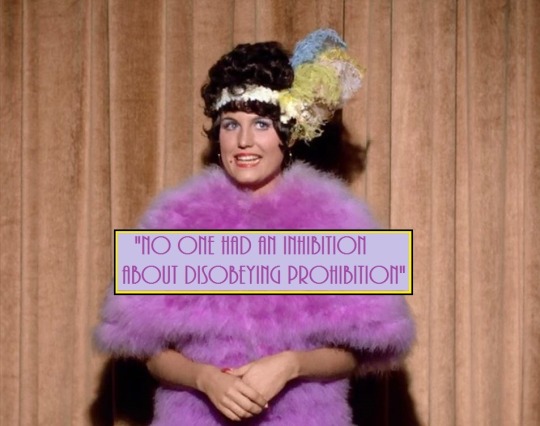
“NO ONE HAD AN INHIBITION ABOUT DISOBEYING PROHIBITION”
“My Fair Buzzi” (1972) ~ Kim’s shy and awkward friend Annie Whipple (Ruth Buzzi) comes out of her shell in order to audition for a 1920s revue. The episode title and story of transformation were inspired by the 1956 Broadway musical and 1964 film My Fair Lady, which, in turn, was inspired by George Bernard Shaw’s 1912 play Pygmalion. Both plays are mentioned in the dialogue of the episode.
In a rehearsal hall sequence, Kim performs “El Cubanchero,” one of Desi Arnaz’s biggest hits. It was written in 1947 by Rafael Hernández. When the director tells her that they are only working on the “Speakeasy” sketch, she offers a tap routine while singing “Anchor’s Aweigh,” the march of the United States Navy composed in 1906 by Charles A. Zimmermann.
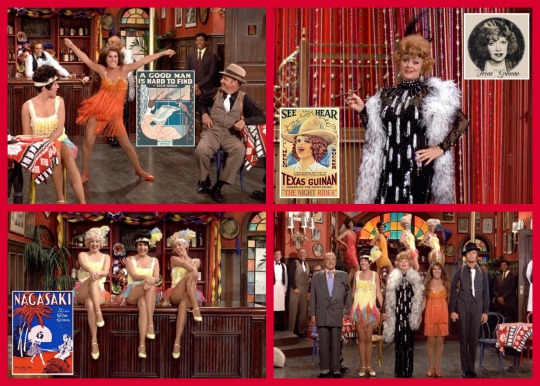
Kim and Annie are members of the Community Drama Club. Lucy plays Dallas Noonan, a reference to real-life Texas Guinan, one of the first female emcees and speak easy owners. Annie plays Penelope, Harry plays gangster Big Jake, and Kim plays dancer Buttercup.
- Buttercup and two flappers appear as ‘The Misstep Sisters’ and tap and sing to “Nagasaki,” a song written in 1928 by Harren Warren and Mort Dixon.
- For the curtain call, the band plays “Tiger Rag,” a song that dates back to 1917.
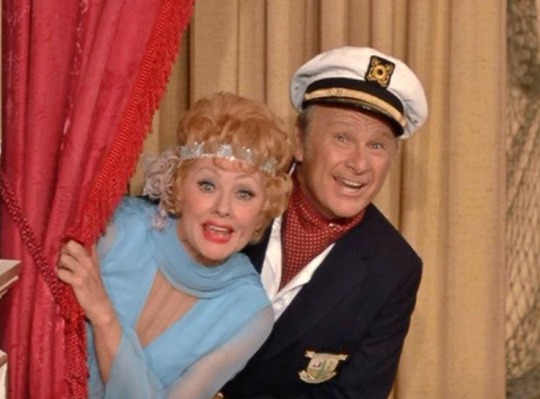
“THE GIRL FRIDAY FOLLIES”
“Lucy Gives Eddie Albert the Old Song and Dance” (1973) ~ When producing a charity show, Lucy asks Eddie Albert to star in it. At the same time, a woman meeting Lucy’s description has been stalking Albert.
The show a show (which raises money to send underprivileged kids to camp) opens with Mary Jane and Vanda taking their final bows as the team of ‘Crime and Punishment’. Harry plays the Emcee.
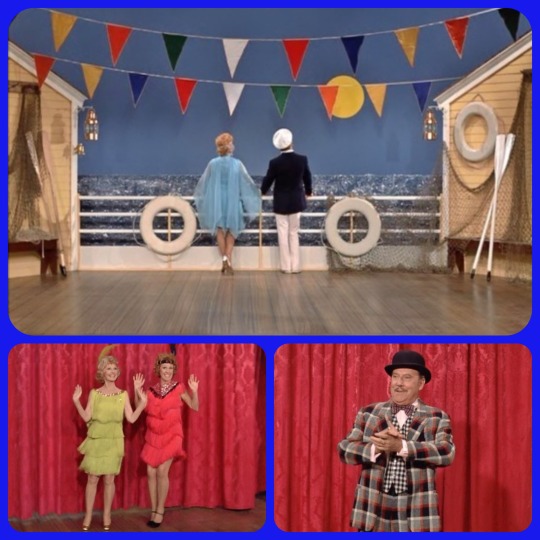
For the finale, Lucy and Eddie Albert perform “Makin’ Whoopee” written by Gus Kahn and Walter Donaldson. The song was first popularized by Eddie Cantor in the 1928 musical Whoopee!
CURTAIN DOWN on ACT 3
-
CURTAIN UP!
Lucy On Stage ~ Act 2
Lucille Ball’s dream was to appear on Broadway. That dream become a reality in 1960, but ended prematurely. if Lucy couldn’t be on Broadway, Broadway would come to Hollywood – on Lucy’s new TV show “The Lucy Show.”
THE CHARLIE CHAPLIN SKETCH
“Chris’s New Year’s Eve Party” (1962) ~ When Lucy’s daughter’s New Year’s Eve party is a dud, Lucy and Viv revive it with their silent movie sketch featuring Lucy as Charlie Chaplin. Not exactly a full scale show, it is still performed for an audience – Chris’s teenage friends.

Lucy is joined by Viv as a flapper, Harry (Dick Martin) as a waiter, and Eddie (Don Briggs) as the thug. The entire presentation is done without dialogue to honky tonk piano music.

“VOLUNTEER VANITIES” / “ANTONY & CLEOPATRA”
“Lucy Plays Cleopatra” (1963) ~ After the Danfield Volunteer Fire Department’s charity revue “Volunteer Vanities” is cancelled, Lucy stars as the Queen of the Nile opposite Professor Gitterman in “Antony and Cleopatra”.
For the aborted “Volunteer Vanities” the women sing an original song called “Hello” to the tune of “Ta-ra-ra Boom-de-ay” which is a traditional vaudeville and music hall song. The song’s first known public performance was in the 1891 revue Tuxedo. Joining Lucy and Viv in the “Vanities” are Mary Lou (Hazel Pierce), Frances (Mary Wickes), Audrey (Mary Jane Croft) and Colleen (Renita Reachi).
Professor Gitterman (Hans Conried) says he is scheduled to do excerpt from his readings from Cyrano de Bergerac for the Danfield Literary Society. He is referring to Edmond Rostand’s 1898 stage play. Gitterman (who also directs) says that Lucy needs to project so that the people in the back row who paid $4 can hear her.
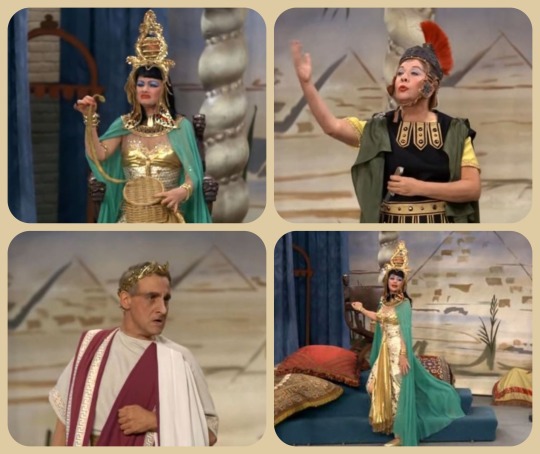
Viv is assigned the roles of Mardion, Diomedes and Fulvia. She notes that Fulvia dies before the play begins and says the combined speeches of Mardion and Diomedes amounts to “Hark!” “ Begone! and “Fie!” Professor Gitterman mentions that he did some ‘improvements’ to Shakespeare, so although Viv seems to be exaggerating about the paucity of dialogue, the characters’ lines may indeed have been greatly reduced.
“ANNUAL BOY SCOUT SHOW” starring Ethel Merman
“Ethel Merman and the Boy Scout Show” (1964) ~ Lucy and Viv recruit Ethel Merman to star in their sons’ Boy Scout Show and the group discovers that there’s no business like show business!
- LUCY: You’d think she was the biggest star on Broadway.
- VIV: She is.
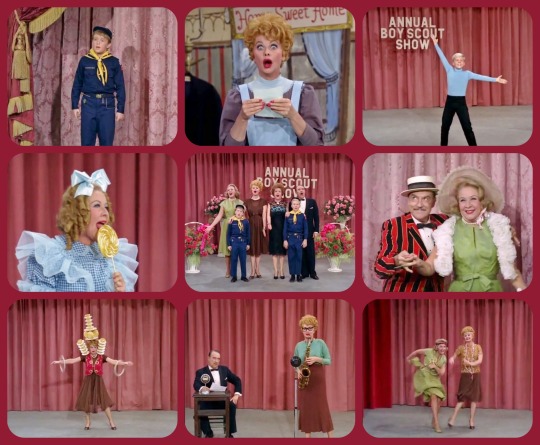
The show tributes vaudeville, silent films, talkies, Broadway musicals, radio, and television. It consists of the following acts:
- Sherman (Ralph Hart) does an acrobatic dance routine
- Jerry (Jimmy Garrett) tells a joke
- Merman, Lucy, Viv and Mr. Mooney sing “There’s No Business Like Show Business” from Annie Get Your Gun
- Lucy does a plate balancing act (a repeated gag)
- Mr. Mooney and Viv sing “Tiptoe Through the Tulips” (originally to be sung by Mr. Mooney and his wife Irma, had she not had to go to Trenton for the birth of their grandchild)
- Lucy, Mr. Mooney, and Ethel Merman perform a silent movie sketch about a husband leaving his wife for another woman
- Viv, as Shirley Temple, sings “On the Good Ship Lollipop” from the 1934 film Bright Eyes
- A tribute to 1920s stage musicals features Lucy, Viv, Ethel Merman, and Mr. Mooney
- Mr. Mooney is a radio host presenting a lady saxophone player (Lucy) from Altoona, Pennsylvania playing “Glow Worm” (badly) from Paul Lincke’s 1902 operetta Lysistrata
- A tribute to “The Ed Sullivan Show” and its showcase of variety acts
- Ethel Merman sings “Everything’s Coming Up Roses” from Gypsy
- Everyone joins in for a reprise of “There’s No Business Like Show Business”
“THE FOUNDING OF DANFIELD”
“Lucy and Arthur Godfrey” (1965) ~ Lucy and Viv convince the star to headline in the Danfield Community Players production about the founding of their town.
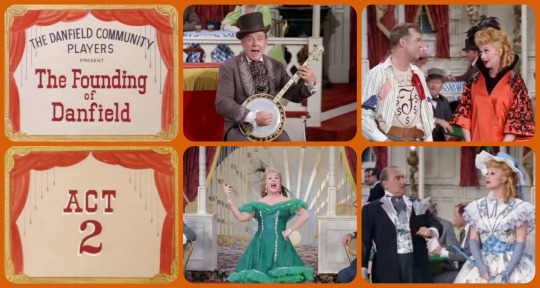
The show is to benefit the children’s wing of the hospital. The two-act musical melodrama is set aboard a riverboat in the South. It stars Godfrey as Daddy, Lucy as his daughter Lucybelle, Viv as dance hall girl Bessie, Mr. Mooney as wealthy landowner Conrad P. Field, and Vinnie (Max Showalter) as the Honest-But-Poor Piano Player. The songs for the show-within-the-show were written by Broadway veteran Showalter, Bob Lees, and Peter Walker.
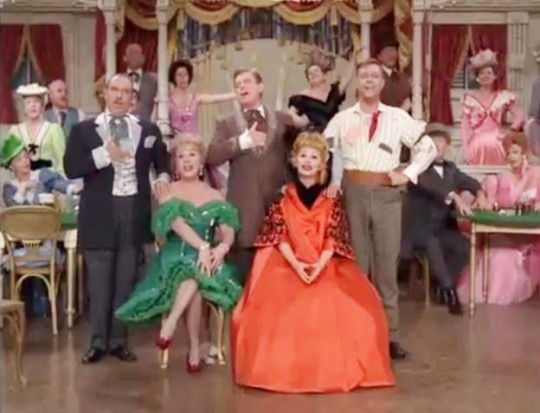
LUCYBELLE: You want me to play hankie-panky with a Yankee?
“THE ART OF PANTOMIME”
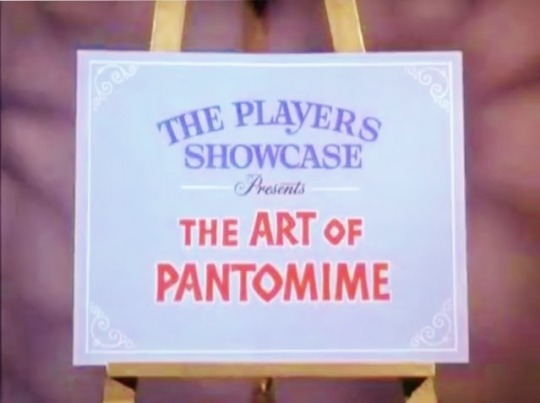
“Lucy and Mickey Rooney” (1966) ~ Mickey Rooney takes out a loan from Mr. Mooney’s bank to open an acting school. Lucy and Mr. Mooney each wangle free acting lessons, which culminates in a silent movie sketch.
MR. MOONEY (to LUCY): What in the name of Bette Davis makes you think you can act?
To impress Rooney, Lucy lists her acting credits: Mr. Roberts (in a 1948 play of the same name), MacBeth (in Shakespeare’s tragedy of the same name), Julius Caesar, and Captain Hook in Peter Pan. She fails to mention her experience playing Cleopatra for the Danfield Community Players!
In Rooney’s acting class, Mr. Mooney (wearing a pink table cloth as a toga) rehearses Mark Antony’s famous speech from Shakespeare’s Julius Caesar: “Friends, Romans, countrymen, lend me your ears.”

Lucy revives her Charlie Chaplin impersonation with Rooney as “The Kid”. The Players Showcase also includes Mr. Mooney as the Grocer and Sid Gould as a Keystone Kop.
“THE TAMING OF THE SHREW” / “THE BRICUSSE-NEWLEY SONG BOOK”
“Lucy in London” (1966) ~ In the stand-alone special, Lucy Carmichael travels to London, with Anthony Newley as her tour guide.
Lucy stars as Kate in Shakespeare’s The Taming of the Shrew filmed on location at Great Fosters, an English country manor from the Tudor period located in Egham, Surry, just outside of London.
Her tamer is actor Peter Wyngarde as Petruchio, although we never hear or see any actual Shakespeare. But the costumes look great!
At the end of the special, Lucy finds herself at The Scala Theatre on Charlotte Street, off Tottenham Court Road. There she is audience to Newley (a West End and Broadway veteran) in “The Bricusse-Newley Song Book”. The one-man show is presented with lights, scenery, costume changes, and an orchestra. He first sings “Fine Day in London” then “Gonna Build a Mountain” (from The Roar of the Greasepaint – The Smell of the Crowd). He follows with “Once in a Lifetime” from Stop the World – I Want to Get Off and “Nothing Can Stop Me Now” also from Greasepaint. During “Look at That Face” (Greasepaint) he sings directly to Lucy. He ends the medley with “This Dream” (Greasepaint).
The special takes on a dreamlike quality with Lucy on stage doing a pantomime in a spotlight. The very end of the show, still on the Scala stage, Lucy sings about her “One Day in London”.
“A SALUTE TO AVIATION”
“Lucy and Carol Burnett: Part 2″ (1967) ~ After graduating from flight attendant’s school, Lucy and Carol Tilford (Burnett), participate in a graduating class musical revue in tribute to the history of aviation. The revue also features Buddy Rogers and Richard Arlen, stars of the very first Oscar-winning film, Wings (1929).
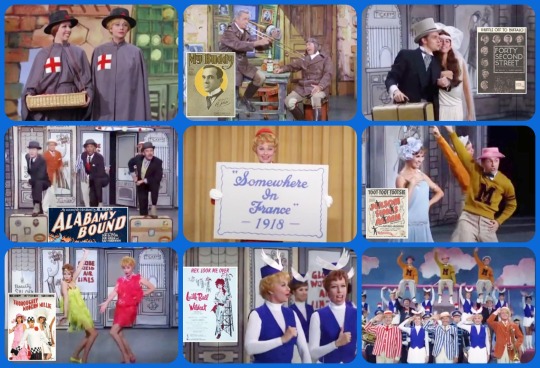
The show musical revue features:
- Lucy, Carol and the flight attendants sing “Over There” (1917) written by George M. Cohan
- Rodgers and Arlen sing “My Buddy” (1922) with music by Walter Donaldson and lyrics by Gus Kahn
- Lucy, Carol, Mr. Mooney, Arlen, and Rodgers sing “How ‘Ya Gonna Keep ’em Down on the Farm (After They’ve Seen Paree?)” (1919) with music by Walter Donaldson and lyrics by Sam Lewis and Joe Young
- Lucy, Carol and the flight attendants (as flappers) dance to “Thoroughly Modern Millie” (1967) with music by Jimmy Van Heusen from the film of the same title
- Lucy, Carol, and a male soloist sing “Chattanooga Choo Choo” (1941) with music by Harry Warren and lyrics by Mack Gordon
- Three male tap dancers sing “Alabamy Bound” (1924) with music by Ray Henderson and lyrics by Buddy G. DeSylva and Bud Green
- A bride and groom performe “Shuffle Off to Buffalo” (1933) from the film 42nd Street with music by Harry Warren and lyrics by Al Dubin
- Six boys and girls sing “Toot, Toot, Tootsie” (1921) written by Dan Russo, Ernie Erdman and Gus Kahn for the Al Jolson musical Bombo
- Lucy, Carol and the ensemble perform “Hey, Look Me Over” (1960) from the musical Wildcat with music by Cy Coleman and lyrics by Carolyn Leigh. This version has specially written lyrics to suit the setting.
- The ensemble performs “The Army Air Corps Song” (1917) written by Robert Crawford

“SPEAK EASY DAZE” starring Joan Crawford
“Lucy and the Lost Star” (1968) ~ Lucy and Viv discover Joan Crawford has no furniture and believe she is broke so they arrange to star her in a show so that movie producers will offer her work.
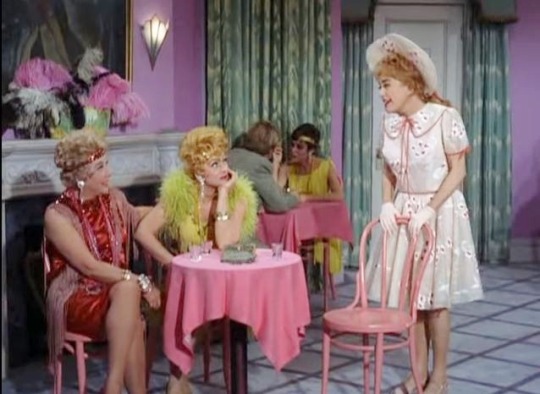
The charity show is written by Lucille Carmichael and presented by the Good Samaritan Players. It is never clear if The Good Samaritan Players are an actual group or something that Lucy and Viv made up to protect Crawford’s pride.
Lucy plays Rusty, Viv is Cuddles, and Crawford is Cynthia, the new girl at the Speak Easy. Mr. Mooney plays Scarface, a gangster.
The show opens in a speakeasy with dancers performing to “I’m Just Wild About Harry,” a song written in 1921 by Eubie Blake for the Broadway show Shuffle Along. The band briefly plays “Ain’t We Got Fun” by Richard A. Whiting, first performed in the revue Satires of 1920. The last song is “The Charleston” by James P. Johnson, which originated in the Broadway show Runnin’ Wild (1923) and became one of the most popular hits of the decade.
CURTAIN DOWN on ACT 2
-
CURTAIN UP!
Lucy On Stage ~ Act 1
Lucille Ball’s dream was always to appear on Broadway. That dream didn’t become reality until 1960. In the meantime, if Lucy couldn’t go to Broadway, Broadway would come to Lucy – on her radio and television shows!
“The Milkmaid’s Dilemma or The Lady’s Not For Turning”
“Liz Substitutes in a Club Play” (1951) ~ In this episode of Lucille Ball’s radio sitcom MY FAVORITE HUSBAND, Liz (Lucille Ball) is determined to play the lead in the women’s club play, even if she has to keep the leading lady from showing up. There’s only one problem: Liz has learned the lines for the wrong play!
The title of the play is a pun on the play “The Lady’s Not for Burning” by Christopher Fry. It opened on Broadway just two months before this episode aired starring Richard Burton and John Gielgud, who also directed. Coincidentally, British Prime Minister Margaret Thatcher would say “the lady’s not for turning” in a now famous speech in October 1980.

“John’s Other Whistler”
“Liz’s Radio Script” (1951) ~ Liz’s entry is a finalist in a playwriting contest, and the Coopers and the Atterburys perform it on the local radio station.
The title of Liz’s play combines two of the most popular radio shows of the time: “John’s Other Wife” and “The Whistler”. Liz has retyped the script so quickly that there are some misspellings that lead to on-air goofs!
GEORGE:You’ve got a face like a camel.LIZ: That’s ‘cameo’!
IRIS: I don’t care. I’ve got another liver. LIZ:That’s ‘lover’!IRIS: At my age, I’d get more use out of another liver!
GEORGE: ...And your nose is continued on the next page!
This dialogue was later rewritten and recycled into…
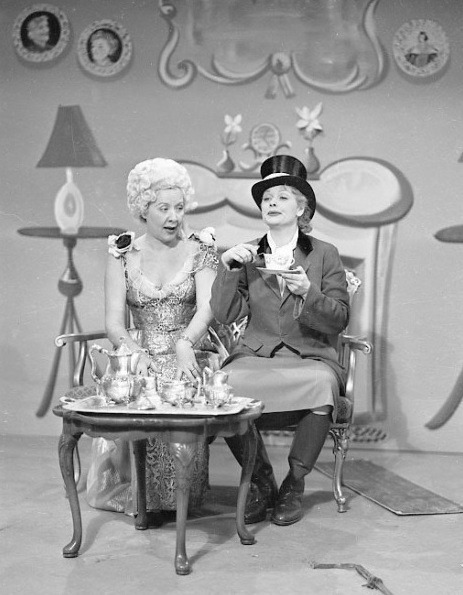
“The Perils of Pamela” / “A Tree Grows in Havana”
“Lucy Writes a Play” (1952) ~ Playwright Lucy pens a drama with a Cuban locale. She figures Ricky for the star. The hitch: he refuses the part. So she changes her play from Cuba to England and has Fred take Ricky’s spot. However, Ricky has decided to surprise Lucy and appear in the play… only problem is he has the wrong script!
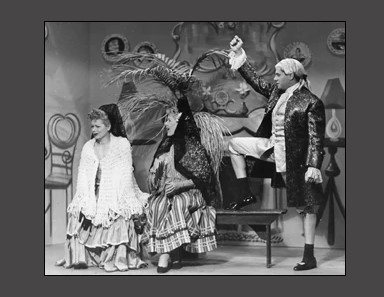
Voice from the Audience: I think it stinks!
The title “A Tree Grows in Havana” was inspired by A Tree Grows in Brooklyn, which was a book and a film in the mid-40’s. There was even a Broadway musical of the same title starring Shirley Booth that closed two weeks before the episode filmed. Lucy rewrites the script into an English comedy titled “The Perils of Pamela”, a nod to several films titled The Perils of Pauline directed by Lucille Ball’s friend George Marshall. Some sample dialogue from her rewritten opus:
LUCY: What’s the mater, Matter? Uh, what’s the matter, Mater?
LUCY: Pater won’t be down for tea. We just buried him. Had to. Dead, you know.
FRED: Would you pour me a spot of tea, my dear louse? [looks at script closer] I mean Louise.

“The Pleasant Peasant”
“The Operetta” (1952) ~ The Wednesday Afternoon Fine Arts League is putting on an operetta and Lucy is in charge. As treasurer, she has no money in the club account so she has to write the show herself! Needless to say, Ricky and the Mertzes are in the cast as well.

Because the repo men come to take back the unpaid scenery and costumes, we never see the end of the operetta. According to Lucy’s description of the show, there were two acts, with 18 scenes in the first act alone. The plot involved Lily being kidnapped by highway men because their leader had been turned into a frog by a wicked witch. Lily is really the frog / leader’s long-lost sister, separated from him when they were tadpoles. Later the Prince (who thinks he’s a peasant but is really a frog) goes to work for Squire Quinn at the Inn on the River Out.
These are references to composers Sigmund Romberg and Rudolf Friml, as well as Charles John Thomas, a popular baritone of the time. In 1915 Thomas starred on Broadway in a Friml operetta called The Peasant Girl which included a song called “The Gypsy” sung by ‘Celeste and Chorus.’ “The Pleasant Peasant” even includes a parody of “The Drinking Song” from Romberg’s The Student Prince.
The operetta contains an original score by Eliot Daniel that features “The Pleasant Peasant Girls”, “The Good Squire Quinn”, “Lily of the Valley”, “Queen of the Gypsies”, “The Troops of the King”, and “Good Prince Lancelot”. Lucy plays Camille, the snaggle-toothed crone. Ethel is cast as Lily (of the Valley), Ricky is (the good) Prince Lancelot, and Fred is (what else) Friar Quinn of the Inn on the River Out. The ladies of the Wednesday Afternoon Fine Arts League (including Myra Marsh and Betty Jaynes) are the chorus.
“The Professor and the Co-Ed”
“Lucy has Her Eyes Examined” (1953) ~ A new Broadway musical is casting and Lucy and the Mertzes want to land parts. Unfortunately, Lucy’s eye exam leaves her a nearsighted mess just before the big audition.
Ethel translates the Variety headline for Lucy: “Parker Preps Prod for Pitts Preem” as “Parker Prepares Production for Pittsburgh Premiere.” The article goes on to say “William Parker, formerly legit prod, currently top pic exec, seeks thesps for flesh tuner.” Ethel doesn’t translate this section, but it means that “William Parker, formerly a theatrical producer, currently a top motion picture executive, is casting actors for a live stage musical.”
Although we never see the musical itself (just the auditions) it is a musical comedy set in the 1920s titled “The Professor and the Co-Ed” and it sounds reminiscent of Good News, a real-life 1927 legit tuner (Varietyese for ‘stage musical’) also set on a college campus in the roaring ’20s. Good News was made into a film in 1930 and then remade in 1947.
All three versions of Good News include the song “The Varsity Drag,” which Fred and Ethel sing in this episode. A musical about college co-eds must have been familiar territory to the Arnazes. Too Many Girls was Desi Arnaz’s 1939 Broadway debut and the 1940 film version introduced (literally) Desi to Lucy.
“Gay ’90s Revue”
“Mertz and Kurtz” (1954) ~ Fred’s old vaudeville partner (Charles Wininger) is in town, so the Mertzes pretend to be wealthier than they really are to impress him. But it turns out that he has been doing some pretending as well!
Perhaps not strictly a stage musical, this revue has a bit of a story and characters, so it qualifies. Set in Atlantic City, New Jersey, Fred and Barney play dairymen attending a convention, Lucy and Ethel are bathing beauties, and Ricky is the handsome lifeguard. The score includes classics from the theatre and popular music.
- “Peach on the Beach” by Vincent Youmans and Otto Harbach was originally written for the 1925 Broadway musical No, No, Nanette which (coincidentally) starred Charles Winninger.
- “By the Beautiful Sea” by Harry Carroll and Harold R. Atteridge. The song topped the early American music charts in the summer of 1914, during the outbreak of World War I. By the Beautiful Sea was also the title of a 1954 musical that was on Broadway when the episode was filmed.
- “They Go Wild Over Me” by Fred Fisherin, who also wrote the lyrics for the 1919 Broadway show Irene.
- “On the Boardwalk to Atlantic City” by Josef Myrow and Mack Gordon for the 1946 film Three Little Girls in Blue, about three sisters from Red Bank NJ who spend their inheritance on a trip to Atlantic City, where they hope to snare rich husbands.
“Over the Teacups”
“Ethel’s Birthday” (1954) ~ It’s Ethel’s birthday and she gets two memorable presents: Hostess Pants and tickets to the theatre. An argument with Lucy over the former threatens to spoil the latter.
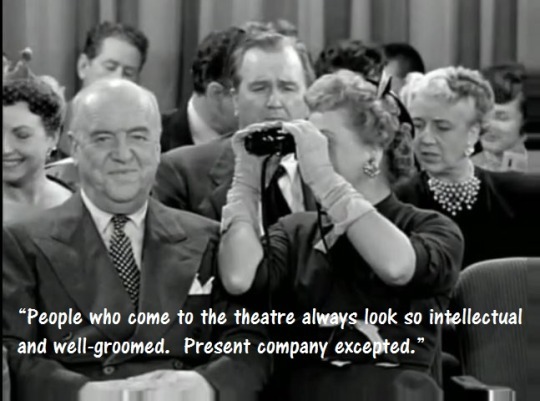
The fictional play is said to be “the biggest hit in town.” The tickets cost Ricky $6.60 each! Although we never see the actors in the play, we hear Mary Lansing as the weepy Cynthia. English actor Richard Kean voices the character of John, who breaks the news to Cynthia about the death of their mutual friend.
“Kildoonan!”
“Lucy Goes to Scotland” (1956) ~ While in London, Lucy dreams of going to her ancestral home in Scotland. Although not strictly a stage show, Lucy dreams in the musical comedy format!
The inspiration for this episode is clearly Lerner and Loewe’s 1947 musical Brigadoon. The name of the village in the musical is the similarly-sounding Kildoonan; and the two-headed dragon appears once every 30 years, just as the village of Brigadoon appears once every 100 years. Both also feature a sword dance and bagpipes. Although the show had closed in London several years earlier, the film version was released in 1954, a little over a year before this episode’s filming. It was produced by MGM (the Arnazes studio of choice) and featured Van Johnson, who Lucy danced with in “The Dancing Star”.
The dream has five original songs by Eliott Daniel and Larry Orenstein (who also played the Mayor of Kildoonan): “‘Tis Nae a Braw Bricht Nicht”, “A McGillicuddy Is Here”, “I’m in Love with a Dragon’s Dinner”, “Two Heads Are Nae Better Than One”, and “The Dragon Waltz”.
The Townspeople of Kildoonan include Betty Allen (who was a background singer for the 1954 film of Brigadoon), Betty Noyes, Norma Zimmer, John Gustafson, John Hynd, Robert E. Hamlin, Ann Ellen Walker, Dick Byron, and Chuck Schrouder.
“The Enchanted Forest”
“LIttle Ricky’s School Pageant” (1957) ~ Little Ricky is cast as the lead in his school play, with Lucy, Ricky, Fred and Ethel also getting into the act.
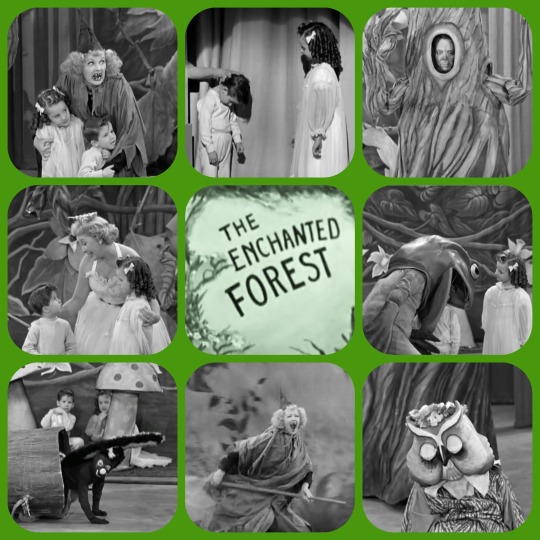
The scenery and choreography for the pageant were designed by Desi’s fishing buddy and friend Pepito Perez (aka Pepito the Clown) and his wife Joanne, who ran a nearby Dance Academy. For years afterward, Joanne used the Enchanted Forest backdrops for their productions of “Hansel and Gretel.” Their school also provided the two dozen other students for the pageant. Candy Rogers (Susie Brown) was their prize pupil so was rewarded with the female lead. Lucy played the Wicked Witch, Ricky played a Hollow Tree, Ethel plays the Fairy Princess (she fit the costume) and Fred is Hippity Hoppity the Frog. The pageant also features 12 gnomes, 12 bunnies, 3 dancing owls, and a skunk!
“The Most Happy Fella”
“Lucy’s Night In Town” (1957) ~ Lucy has tickets to a big Broadway musical, but she mistakenly got seats for the matinee instead of the evening show.
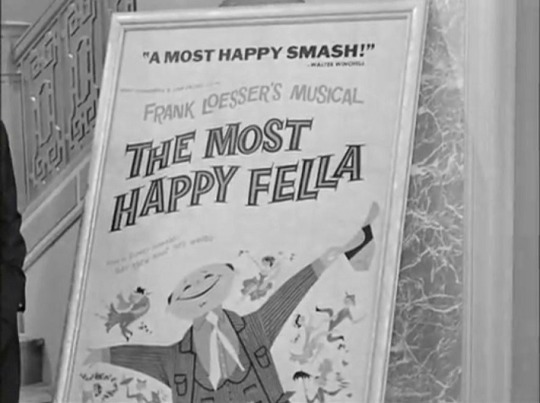
FRED (seeing the poster of the play): I’ll bet he wasn’t married!
This episode takes the foursome to the Broadway musical The Most Happy Fella. Because the Arnazes were investors in the show the original cast album and show poster were used in the filming. The Frank Loesser musical was simultaneously playing at New York’s Imperial Theatre, although except for an establishing shot of the theatre’s exterior, the episode was filmed entirely in California. Coincidentally, the Imperial was where Desi Arnaz made his Broadway debut in Too Many Girls (1939). In 1979, his daughter Lucie Arnaz also made her Broadway debut at the Imperial in They’re Playing Our Song. Vivian Vance appeared there in 1941’s Let’s Face It! starring Eve Arden. The 1,443 seat theater opened in 1923 and is still in operation today.
The episode utilized the Frank Loesser songs “Standin’ on the Corner,” “Big D,” and “Don’t Cry” – all sung by the original cast: Susan Johnson, John Henson, Alan J. Gilbert, Shorty Long, Roy Lazarus, and Art Lund. Although Robert Weede is billed on the marquee, he is not heard in any of the songs, nor is leading lady Jo Sullivan, the composer’s wife, although both were nominated for 1956 Tony Awards. This is not the first Frank Loesser musical to be featured on “I Love Lucy.” A clip from the 1955 film Guys and Dolls was inserted into the MGM executives show in “Lucy and the Dummy”, but was cut for syndication and the DVD.
“The Queen’s Lament”
”The Celebrity Next Door” (1958) ~ Stage and screen star Tallulah Bankhead has moved in next door to the Ricardos and Mertzes! Once Lucy discovers that a celebrity is in her midst, she has gotten Bankhead and the entire gang involved with the local PTA show.
The fictional play “The Queen’s Lament” is probably a hold-over from when Bette Davis was intended to be the ‘celebrity next door’, as she had recently played Queen Elizabeth on film in The Virgin Queen in 1955 as well as in The Private Lives of Elizabeth and Essex in 1939.
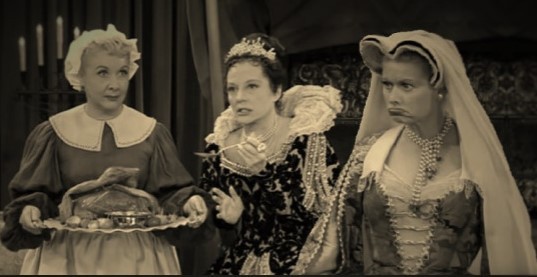
The cast and crew of the play includes: The Queen ~ Miss Tallulah Bankhead; Her Lady in Waiting ~ Lucy Ricardo; The Duke of Farthington ~ Ricky Ricardo; Genevieve, the Royal Cook ~ Ethel Mertz; A Knight ~ Fred Mertz; Musical Entertainment by the Westport Glee Club; Directed by Mrs. Ida Thompson; Written by Mr. Thompson; Costumes by Mrs. Wilson.
“Western Frolics”
“MIlton Berle Hides Out at the Ricardos” (1957) ~ Lucy wants Milton Berle to perform in the Westport PTA play so she secretly offers her home for him to finish his latest book in peace.
“Western Frolics” consists mostly of the musical number “Them There Days” composed by Arthur Hamilton especially for this show. Lucy plays a squaw who gets scalped, Milton Berle plays a bad cowboy (black hat), Little Ricky is the good cowboy (white hat), Fred is the bartender, Ethel is a dance hall girl, and Ricky is a horse!
CURTAIN DOWN on Act 1
-
TOUR DE LUCY!
Lucy & Cycling
Pedal Power! When not motorized or on foot power, Lucy biked! Here’s a look at bikes, trikes, and other likes.

Ben Mankiewicz’s podcast relates that Lucille Ball, as a young Hollywood hopeful, biked to work.

Broadway Thru a Keyhole (1933) ~ A bevy of costumed chorines – including an uncredited Lucille Ball, Susan Fleming and Ann Sothern – wheel around a giant nightclub stage to the tune of “When You Were a Girl on a Scooter (And I Was the Boy on the Bike)”. This was Lucille Ball’s second film. It also featured Charles Lane and Walter Winchell.
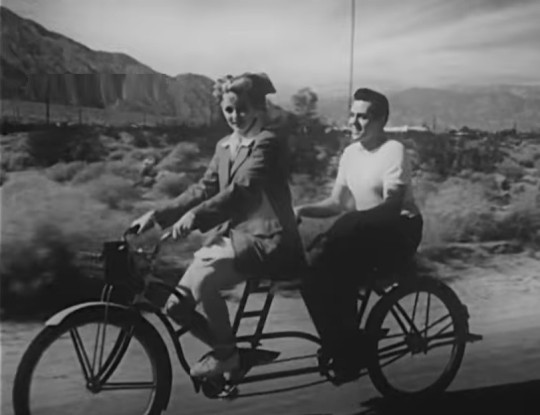
Palm Springs Weekend (1942) ~ An RKO short in which newlyweds Lucy and Desi rent a tandem bike to tour Palm Canyon, stopping to take snapshots.
“The Lost Pilot” (1951) ~ Pepito the Clown (Pepito Perez) was a good friend of Desi Arnaz. In the long-unaired pilot episode for “I Love Lucy” Pepito rides the world’s smallest bicycle, a routine that was part of his stage act.
“The Audition” (1951) ~ When the unaired pilot’s script was recycled into the regular series, Pepito was replaced by Buffo the Clown (Pat Moran) who injures himself trying to do a handstand on the handlebars of a (full-sized) bicycle. Resting at the Ricardo’s apartment, he tries the stunt again and careens through the kitchen door. His replacement is Lucy as ‘The Professor’, although she doesn’t ride the bike!

“Lucy’s Show-Biz Swan Song” (1952) ~ When the episode was running short, Desi Arnaz invited Pepito to do some of his act from the unaired pilot, including the world’s smallest bicycle routine.
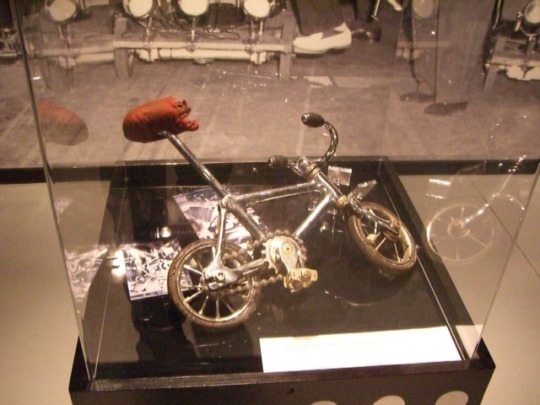
The tiny bike (one of two) is six inches wide by ten inches high, manufactured by Anderson, Melbourne, Australia, in 1928. It was at one time entered into Ripley’s Believe It or Not. Pepito was in Australia in 1928 for an extended vaudeville tour, and he must have ordered this bicycle at that time. It is now one of the artifacts in the Lucy-Desi Museum’s collection. A special case was been constructed to exhibit it.
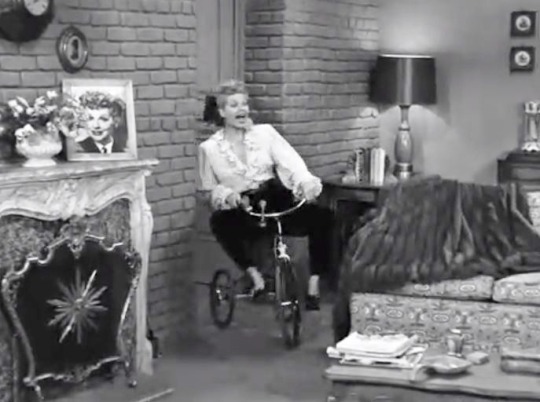
“Lucy Fakes Illness” (1953) ~ To convince Ricky she is going through her second childhood, Lucy rides a tricycle through the living room!
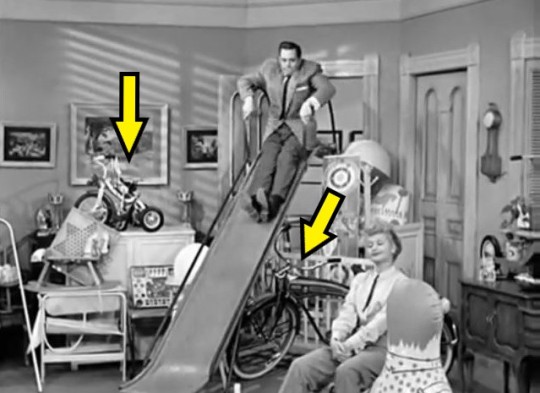
“The Ricardo’s Change Apartments” (1953) ~ Lucy fills the apartment to the brim with toys and baby items to convince Ricky they need a bigger apartment. Among the explosion of tot props is a tricycle and a bicycle!
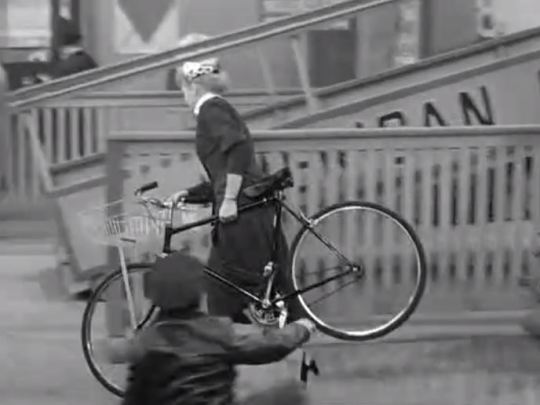
“Bon Voyage” (1956) ~ A bicycle is Lucy’s undoing when boarding the S.S. Constitution for Europe. Saying one last farewell to Little Ricky on the dock, her skirt gets caught in the chain of a messenger bike, delaying her timely boarding. She even tries to board with the bicycle!
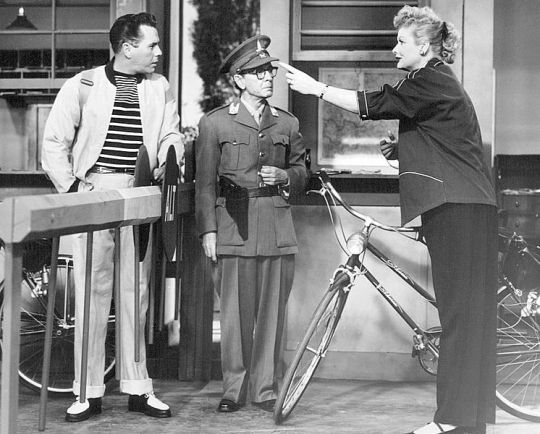
“Lucy’s Bicycle Trip” (1956) ~ When leaving Italy for France, Lucy has her heart set on biking across the border, but meets some resistance from Ricky and the Mertzes.
LUCY: “You wouldn’t climb to the top of the Eiffel Tower. You wouldn’t ride the ski lift in Switzerland. You won’t swim in the Mediterranean and now you don’t want to bicycle along the Italian Riviera.”
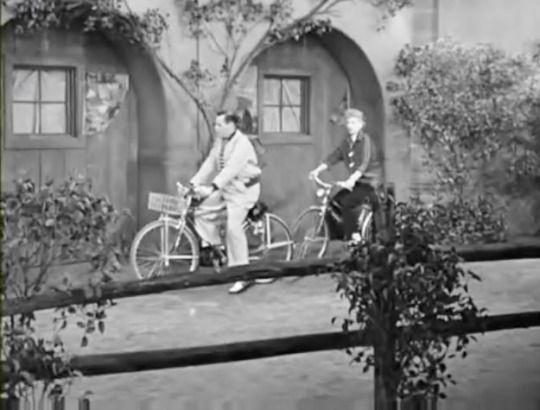
The bicycles used in the episode were provided by Arnold Schwinn and Company in return for a screen credit.

“The I Love Lucy Christmas Show” (1956) ~ Little Ricky gets a new bike for Christmas!
“Lucy is a Kangaroo for a Day” (1962) ~ To buy her son a new bicycle for his birthday, Lucy takes a job at a law office – until things ‘unravel’. Her knit dress becomes entangled in the spokes of the bicycle and unravels, causing her to have to wear a kangaroo costume to complete the job.

A carefree Jerry (Jimmy Garrett) rides his new bicycle through the living room!

A receipt from a Hollywood bicycle shop for the purchase of a bicycle basket and bike rack. Dated December 22, 1962, it was signed by Lucy. It is not known if the items turned up on screen or in what show / episode.
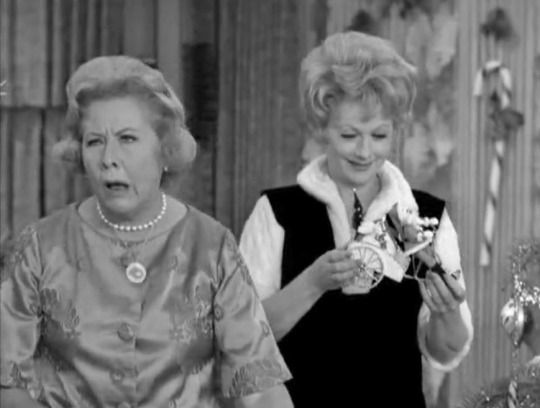
“Together for Christmas” (1962) ~ Combining their family holiday traditions, Lucy holds her favorite ornament, a Santa on a three-wheeled bike. Viv’s expression betrays her feelings about the ornament.
“Bob Hope’s Leading Ladies” (1966) ~ In the special, Lucy makes her grand entrance riding a large tricycle with her chauffeur (Jerry Colonna) on the back.
“Lucy in London” (1966) ~ Lucy and singer / songwriter Anthony Newley tour London town on a tandem bicycle.
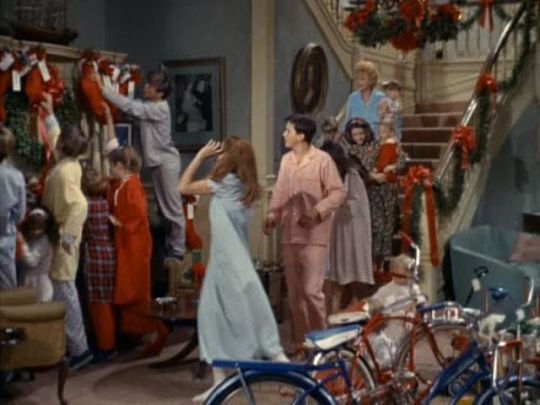
Yours, Mine and Ours (1968) ~ In the film, Helen (Lucille Ball) and Frank (Henry Fonda) are the parents of 19 kids! On Christmas morning, more than a couple of them get bicycles.
“Lucy Helps Craig Get a Drivers License” (1969) ~ Lucy tags along on Craig’s road test. Needless to say the back seat driver frustrates and angers the instructor (Jack Gilford). When he learns that her license has expired, he says that after he’s through with her she’ll be lucky to drive a tricycle in Griffith Park!
“Lucy and Wally Cox” (1970) ~ Wally and Lucy are security guards at a toy warehouse that is robbed at gunpoint. There is a tricycle on the shelf behind the robbers (Gil Perkins and X Brands).
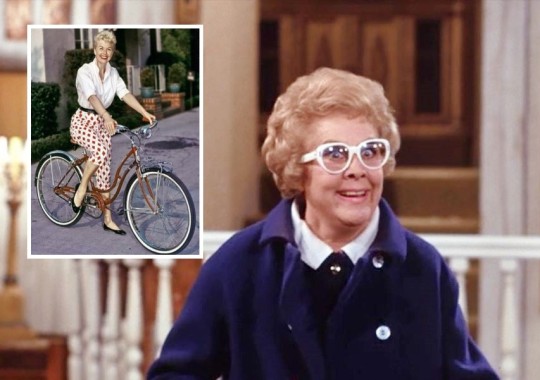
“Lucy and Lawrence Welk” (1970) ~ Lucy sends her visiting friend Viv on the Universal Studios tour, where she is excited to have seen Doris Day’s bicycle! All this is reported by Viv and neither Day nor her bicycle appear on screen. In real life, Doris Day was an avid bike rider. She rode to the studio on many occasions and pedaled around Beverly Hills until the police finally told her they couldn’t guarantee her safety.

Mame (1974) ~ Auntie Mame (Lucy) and her nephew Patrick (Kirby Furlong) bike through central park in the film adaptation of the Broadway musical.
EXERCISE BIKES
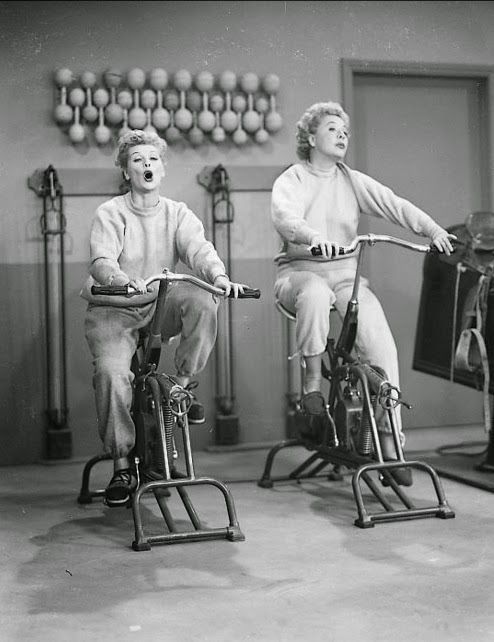
“The Charm School” (1954) ~ At Phoebe Emerson’s salon, Lucy and Ethel work out on stationary bikes. If you don’t remember this moment, it is because it was cut before broadcast. The press photos, however, survive.
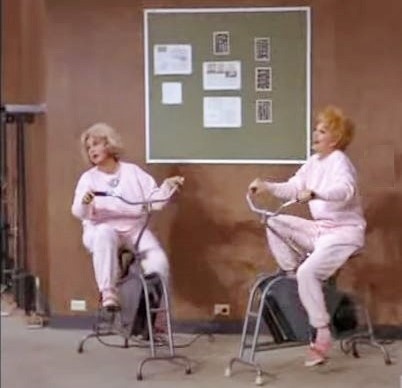
“Lucy and the Countess Lose Weight” (1965) ~ At a health farm managed by Mr. Mooney, Lucy and Rosie (Ann Sothern) pedal away the pounds!
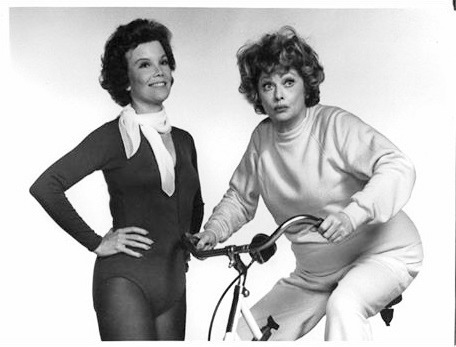
“Happy Anniversary and Goodbye” (1974) ~ Norma and Fay (Nanette Fabray) keep fit for their husbands in Ball’s first post-series TV special. Arnold Schwarzenegger plays a masseur.
SONG CYCLE
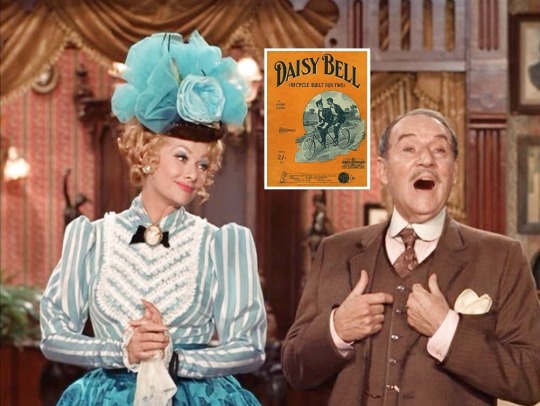
“Lucy and the Generation Gap” (1969) ~ Includes the song “Daisy Bell” aka “Bicycle Built for Two” written in 1892 by British songwriter Harry Dacre.
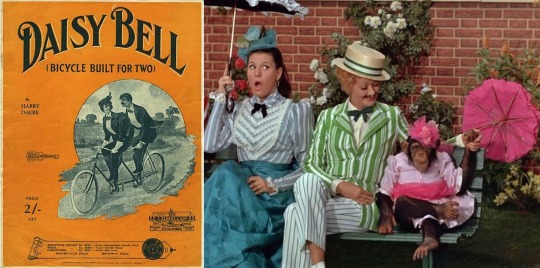
The song is heard again in “Lucy’s Lucky Day” (1971).
You’ll look sweet Upon the seat Of a bicycle built for two!
CALL ME MR. BIKE
“Tennessee Ernie Hangs On” (1954) ~ featured Richard Reeves as Ernie’s old pal Lester Bike, host of “Milliken’s Chicken Mash Hour”. “Lucy Saves Milton Berle” (1964) ~ featured Milton Frome as Jerry Bike, Berle’s agent. The agent’s name is never spoken aloud, but is listed in the end credits.
A Lucille Ball impersonator takes a carefree trike ride at Disney Studios. [photo by Lori Mundy].
-
HELLS LUCY
Lucy & Motorcycles
Lucille Ball was a motorcyle fan. She owned Hondas, Suzukis, and a Harley Davidson. In her personal ife, she rode on the back of Clark Gable’s motorcycle. Lucy reluctantly gave up motorcycling after she hit a curb and her bike fell on her.
A GIrl, a Guy, and a Gob (1941) ~ Dot (Lucille Ball) disapproves of ‘Coffee Cup’ (George Murphy) riding a motorcyle.
DOT: That’s how angels are made.
“Liz the Matchmaker” (1949) ~ In this episode of Lucille Ball’s radio series “My Favorite Husband” Liz (Lucille Ball) is worried about her maid Katie’s romance with Mr. Negley, the postman (Jay Novello), because he always takes her to a drive-in theater on a motorcycle.
“The Sleigh Ride” (1949) ~ Mr. Negley decides to use his motorcycle to pull the holiday sleigh, but the load proves to much and the milkman’s old horse is pressed into service.
“Safe Driving Week” (1950) ~ Liz and Marge (Elvia Allman) are pulled over by a motorcycle cop for driving too close to the curb. The policeman insists on driving their car away from the curb himself, but runs over his own motorcycle in the process! Marge and Liz drive away, leaving the motorcycle cop in tears, clutching only his handlebars.
This visual gag was brought to life on “I Love Lucy” in….
“Ricky Sells the Car” (1955) ~ Doubtful that Ricky will spring for their train fare home, Fred purchases an antique motorcycle. He weighs it down with all their belongings, just like the Pontiac in “California, Here We Come!” The Mertzes are even attired in vintage leather riding outfits! Viewers who know their motorbikes guess that it is a Harley-Davidson Model DL 750cc from about 1929.
- LUCY: Ethel, are you seriously considering going all the way to New York on a motorcycle?
- ETHEL: Well, Fred gave me a choice and this beats hitchhiking.
Oops! The sound of the motorcycle crashing happens before it is even off the screen. In the above screen shot you can see the wire that pulled the motorcycle backward.
“Lucy Hunts Uranium” (1958) ~ The Ricardos and Fred MacMurray get pulled over for speeding by a morotcycle cop.
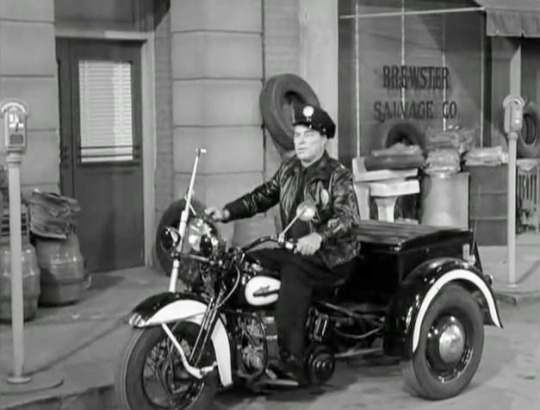
“Lucy Drives a Dump Truck” (1963) ~ This Brewster policeman (Richard Reeves) drives a three-wheeled motorbike.
“Lucy the Meter Maid” (1964) ~ A hybrid vehicle, Lucy drives a Cushman Minute Miser Truckster. These vehicles were especially created for traffic police who checked meters.
“Mr. and Mrs. aka The Lucille Ball Comedy Hour” (1964) ~ Lucille Ball and Gale Gordon travel across the German border driving a Vespa motor scooter searching for the elusive Bob Hope.
“Lucy in the Music World” (1965) ~ Lucy’s neighbor Mel Tinker (Mel Torme) keeps his 1962 Honda Dream motorcycle in his apartment!. The question is – how did he get it up the stairs?

“Lucy Goes to a Hollywood Premiere” (1966) ~ A motorcycle zooms by Lucy Carmichael, who is selling maps to the movie stars homes. This time it is the driver who is old, not the motorcycle. As the old lady races off, Lucy shouts “Say hello to Steve McQueen!” Two of McQueen’s favorite things were racing and motorcycles. He famously rode a motorcycle in 1963’s The Great Escape.
“Lucy in London” (1966) ~ Lucy Carmichael and Anthony Newley get around mod London any way they can – including motorcycle and rocket-shaped side-car.
The special was shot on location in London. Ball and Newley did the driving themselves!
“Viv Visits Lucy” (1967) ~ Trying to track down a Danfield boy, they go down to the Sunset Strip dressed as ‘hippies’ and go into a biker bar. The Police Officer’s motorcycle is a 1958 Harley-Davidson Duo Glide.
Several other motorcycles are also parked on the street in front of Hamburger Hovel, home of the ‘Biker Burger’!
“Lucy Gets Involved” (1968) ~ At the drive in burger joint were Lucy is moonlighting, Tommy Watkins (Phil Vandervoort) rides a white 1962 Honda Dream motorcycle. The cycle was previously seen parked inside Mel Tinker’s apartment in “Lucy in the Music World”.

Yours, Mine & Ours (1968) ~ In the Lucille Ball / Henry Fonda film, the neighbor boy’s motorcycle is run over by the Beardsley’s station wagon. Helen (Lucille Ball) disapproves of her teenage daughter’s crush on the cycle-riding boy.
“Lucy and the Diamond Cutter” (1970) ~ Craig talks to his pal Steve on the telephone about a part for his motorcycle. It turns out to be an air horn. Only problem is, Motorcycles don’t usually have air horns! Oops!
“Lucy the Skydiver” (1970) ~ Craig takes up spear fishing while Kim joins a motorcycle club. When Lucy sees her daughter wearing a motorcycle helmet she asks if she’s playing for the Rams football team. Lucy says she doesn’t want Kim to be another Steve McQueen.
“Circus of the Stars II” (1977) ~ Lucille Ball is the ringmaster and Peter Fonda performs a daredevil motorcycle stunt on a high wire. In 1969, Fonda (son of Lucille Ball’s friend and co-star, Henry) starred in the film Easy Rider, possibly the most famous motorcycle-themed film in history.

In a taped segment, singer / songwriter Paul Williams goes skydiving. Once he alights (just outside his circus ring target) Williams and a dozen men waiting for him on the ground mount motorbikes and zoom away through the desert.
“Lucy Moves to NBC” (1980) ~ In the pilot “The Music Mart” (produced by Lucy), Scotty Plummer (Scotty Coogan) wants a motorcycle for his 18th birthday. He even tries to pawn his prized banjo to buy one.
1999 ~ Postage stamps from Republic of Turkmenistan feature Americana artwork of Lucille Ball in a diner with Carmen Miranda and Humphrey Bogart, looking at Marilyn Monroe standing outside next to a motorcycle.
2020 ~ A Lucille Ball impersonator at Universal Studios Hollywood poses for photos plopped in the sidecar of a Royal Enfield motorcycle. The Royal Enfield brandis the oldest global motorcycle brand in continuous production!
VROOM!
-
BEHIND THE WHEEL!
Lucy & Cars ~ Part Three
In the late 1960s and early 1970s America’s automobile obsession had become part of daily life, including on “Here’s Lucy.”
“Lucy and the Great Airport Chase” (1969) ~ Filmed entirely on location at Los Angeles Airport, there were a variety of vehicles featured. During the chase, Lucy (or her double) drives a Hough Paymover towing a jet!
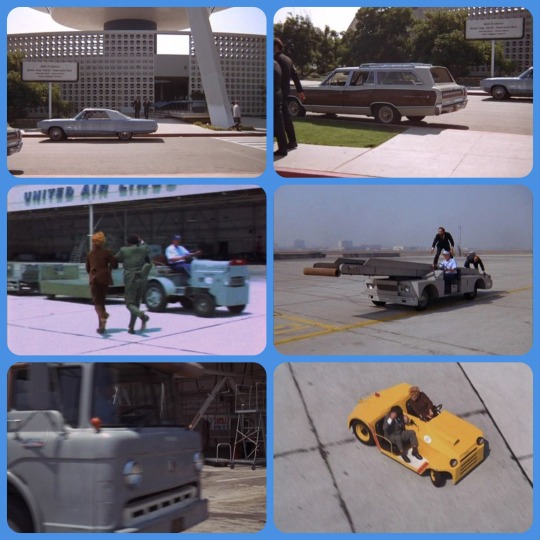
The episode features (top left to bottom right):
- 1968 Chrysler Newport
- 1968 Dodge Cornet 500 wagon
- Clark Clarktor, luggage transport vehicle
- Corchran Cargo King, for unloading baggage
- 1963 Ford C-Series Truck
- Clark 15su-653
The episode included stock footage of various airport vehicles.
There is also footage of cars on the roads and parking lots outside the airport, including the iconic LAX Theme Building.
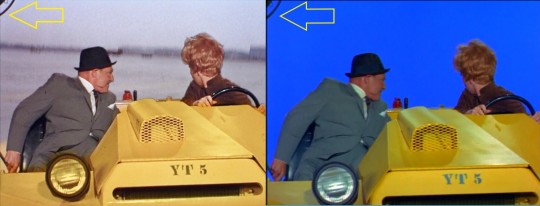
Footage of Lucy and Harry driving the Clark 15su on the tarmac was done with a stunt double in the location footage, and using rear-projection with Ball and Gordon in the studio. The wires in the upper left corner of the screen actually made their way into the finished film!
“Lucy Helps Craig Get His Driver’s License” (1969) ~ The driving test scenes were filmed on location and reproduced in the studio using rear projection.
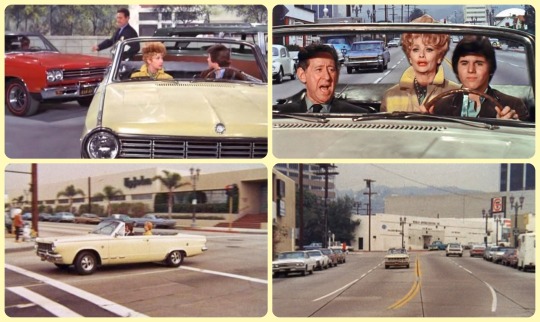
Craig takes his road test in Lucy’s car, a pale yellow 1965 convertible Dodge Dart. In the parking log there are also a red 1969 Plymouth GTX and a blue station wagon waiting to take the road test. The location footage was done on the streets of Hollywood surrounding the Paramount lot. The Dodge Dart was previously driven by Sergeant Carter on Desilu’s “Gomer Pyle U.S.M.C” in 1965.
As the Dart traveled the streets of Los Angeles, it passed many other vehicles parked or traveling the roads.
“Lucy Visits the Air Force Academy Parts 1 & 2″ (1969) ~ Season two opens with a road trip as the series goes on location for the first four episodes. All four episodes feature a Travco motor home. The company’s RV’s were originally built on a Dodge chassis. Travco was in business from 1964 until the late 1980s.
Like previous location shoots, the episodes were supplemented with studio shots using rear projection for driving scenes.
The mobile home passes a 1955 Chevrolet Two-Ten parked on the side of the road. At the time, this car was nearly 15 years old! It resembles the 1953 blue Pontiac featured on the Hollywood episodes of “I Love Lucy.”
“Lucy Runs the Rapids” (1969) ~ This episode opens the same way as the first two episodes of season two, with the camper driving through western landscape to the strains of “Breezin’ Along with the Breeze,” a song used as the theme music for Lucille Ball and Desi Arnaz’s 1953 film The Long, Long Trailer.
This episode features the interior of the mobile home, where some physical comedy takes place, much like in The Long, Long Trailer.
The mobile home isn’t the only vehicle parked on the banks of Lee’s Ferry, Arizona.
“Lucy and the Indian Chief” (1969) ~ The fourth and final episode on the road trip finds the mobile home pulled over to help the driver of a 1967 GMC C-2500.
Studio shot footage is combined with location footage of Lucy riding on the roof of the Travco!
After this road trip, the series returns to its interior home and office setting.
“Lucy at the Drive-In Movie” (1969) ~ Lucy and Harry track down Chris and her new boyfriend Alan to the local ‘passion pit’ aka ‘drive-in theatre’. Any episode taking place at a drive-in necessarily involved an array of vehicles.
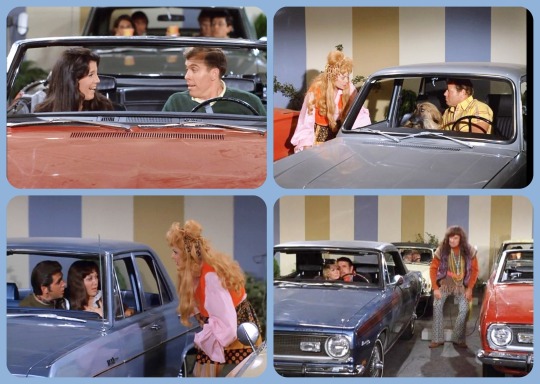
- 1969 Red Plymouth Barracuda convertible (Alan’s car)
- 1969 Blue Simca 1204 [928] (Man with dog’s car)
- 1969 Blue Plymouth Valiant (Younger necking couple’s car)
- 1969 Blue Plymouth Barracuda (Older necking couple’s car), 1964 Red Plymouth Valiant Signet & 1969 Beige Simca 1118 [950]
- 1969 Yellow Triumph TR6
- 1965 Dodge Dart (Lucy and Harry’s car, the same vehicle used in “Lucy Helps Craig Get a Driver’s License”)
- 1964 Red Plymouth Valiant Signet
“Lucy and the Used Car Dealer” (1969) ~ Milton Berle plays Cheeful Charlie, a used car salesman with an eclectic array of vehicles on his lot. Charlie cons Kim and Craig into buying a psychodelic (Harry calls it ‘sick-o-delic’) 1940 Packard One-Twenty.
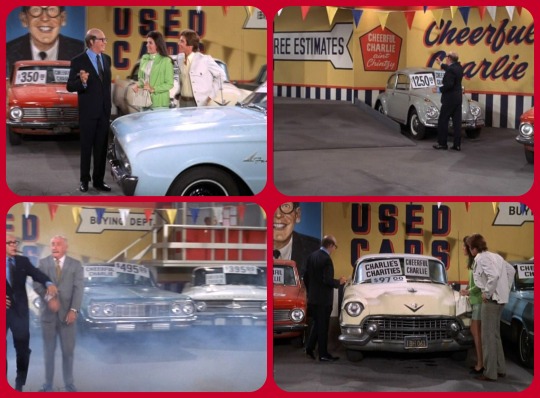
Other vehicles on Charlie’s lot:
- 1961 Ford Falcon
- 1966 tan Volkswagen Beetle
- 1961 light blue Ford Falcon
- 1964 blue Chevrolet Biscayne
- 1955 Cadillac Coupe
The episode also mentions:
- Kaiser-Frazer ~ a car company that briefly thrived after World War II.
- Pierce-Ruxton ~ a fictional combination of the Pierce-Arrow Motor Car Company (1901-1938) and the Ruxton, a front-wheel drive automobile produced by New Era Motors Company from 1929 to 1930.
- Lucy calls a car a combination Hudson Edsel Tucker Reo and Packard – all defunct automobile companies.
- Chitty Chitty Bang Bang ~ the name of a fantastical flying car in the 1964 book by Ian Fleming and a 1968 musical film.
“Lucy the Laundress” (1970) ~ After bragging to Craig about her perfect driving record, Lucy smashes into a laundry truck. In order to pay for the repairs, she has to go to work at the laundry. Although no actual vehicles are used in the episode, Lucy reanacts the accident at the insurance agent’s office using model cars. Lucy insists on a green car because the red one clashes with her hair!
“Lucy and Viv Visit Tijuana” (1970) ~ To get there, they first have to convince Harry to loan them his car.
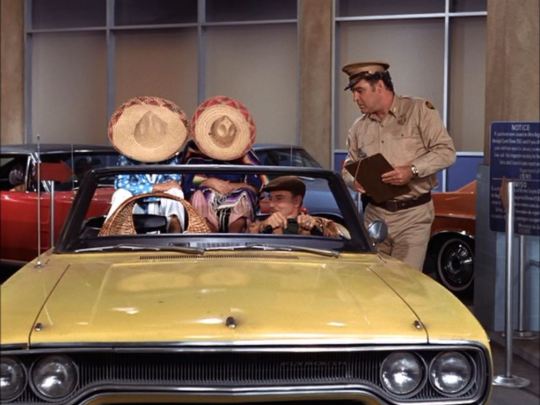
Harry agrees to drive them using his 1970 yellow Plymouth Satellite convertible. They get stopped at the border after agreeing to transport a stuffed animal they don’t realize is smuggling stolen gems.
The line of cars at the border station also features a red 1970 Dodge Challenger and a 1968 Sunbeam Alpine GT [Arrow].
“Lucy and Wayne Newton” (1970) ~ The Carters drive to Las Vegas and end up at Wayne Newton’s ranch. The episode features location footage of the Las Vegas strip and Casa de Shenandoah. Harry’s 1970 yellow Plymouth Satellite convertible was previously seen in “Lucy and Viv Visit Tijuana”.

Rear projection of the strip was used to replicate the location footage.
Tiny Tim (T.T.), Newton’s miniature horse, waits in the car!
“Lucy and the Raffle” (1970) ~ Kim wins a new sports car in a church raffle, but then can’t pay the taxes. The car is never seen on screen.
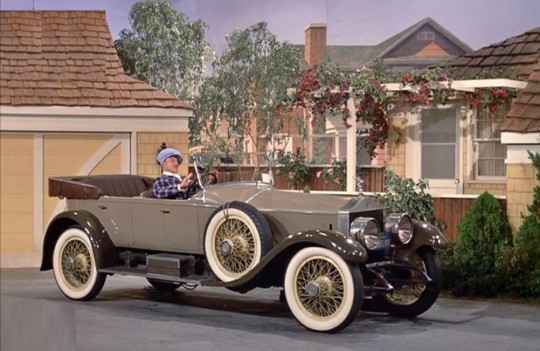
“The Not-So-Popular Mechanics” (1973) ~ Harry trusts Lucy and Mary Jane to watch after his prized antique automobile and take it in for an oil change. Since they have been taking night school courses in auto mechanics, they decide to do the oil change themselves!
There’s no room in the garage, which already holds Lucy’s new car.
Harry’s vintage vehicle is a Rolls Royce.
Chevrolet provided all the training materials as well as the motor parts for the car. Series Executive Producer (and husband to Lucille Ball) Gary Morton was an auto enthusiast so he acted as consultant for this episode. He was, however, billed under his birth name, Morton Goldaper.
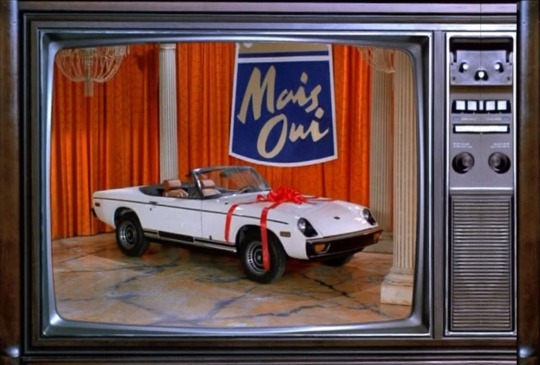
“Lucy Carter Meets Lucille Ball” (1974) ~ The prize for winning the Mais Oui Lucille Ball Look-Alike Contest is a new sports car!
-
BEHIND THE WHEEL!
Lucy & Cars ~ Part Two
In the 1960s America took to the open road. Everyone owned a car – and Lucy and Viv were no exception. In Danfield and Los Angeles, “The Lucy Show” was motorized!
“Lucy Buys a Sheep” (1962) ~ When Lucy goes to pick out a sheep to act as a lawn mower, she drives a 1949 Packard Super Deluxe 8 convertible. Packard started making automobiles in 1899 and went out of business in 1958, four years before the series premiered. Future episodes indicate that Lucy doesn’t own a car, so the Packard may belong to Viv.
“Lucy and Viv Are Volunteer Firemen” (1963) ~ As the Chief, Lucy gets to drive the fire truck! This is a Moreland Truck, a company based in Los Angeles.
“Lucy Drives a Dump Truck” (1963) ~ The title tells it! Lucy and Viv drive a 1956 Ford F-Series dump truck to deliver recycled newspapers for cash. The truck has ‘Roy Long’s Rental’ written on the doors. In reality, Roy Long was Desilu’s construction superintendent. This is a huge production for the series, using more than a dozen extras, 160,000 newspapers, an enormous sound stage dressed as a city street, and six vehicles.
Parked on the street is a 1961 Chevrolet Apache light-duty truck with a Fleetside bed option. [More about motorcyles in a future blog.]
The dump truck passes a 1956 De Soto Fireflite Four-Door Sedan.
“Lucy Decides to Redecorate” (1963) ~ When they redecorate the house, Lucy and Viv must sleep in the car! Viv’s car is a 1953 Ford Crestline Sunliner convertible. This is the first time we have seen inside the Carmichael’s garage.
A close-up of the interior of the vehicle and Lucy’s feet!
In her sleep, Lucy’s foot hits the gear shift and the car crashes through the living room wall.
“Lucy, the Camp Cook” (1964) ~ Mr. Mooney drives to the camp in a 1964 Ford Falcon Sprint. The Sprint was overshadowed by the Mustang and was discontinued after 1965. When the car runs out of gas, they must hitchhike.
“Lucy the Meter Maid” (1964) ~ Is another exterior street set featuring lots of vehicles. A 1965 Ford Mustang may also be the same car used in an October 1964 episode of “The Dick Van Dyke Show,” also filmed on the Desilu lot.
Lucy tickets a 1962 Triumph TR4. In court, the Judge admits to owning a “1964 blue convertible” which may be a reference to this car, despite the difference in the actual model year. The license plate is a 1964 NY World’s Fair commemorative plate. Behind it is the 1953 Ford Crestline Sunliner previously seen in “Lucy Decides to Redecorate”.
“Lucy Makes a Pinch” (1965) ~ On a stake-out, Lucy and Detective Baker park on Lover’s Lane in a 1964 Lincoln Continental convertible.
When Lucy and Viv are on their own stake out, they are sitting in a customized Jeep CJ-5. It is never stated where or how they acquired a lavender jeep!
“Lucy at Marineland” (1965) ~ When the show relocates to California, the first episode opens with location footage of Marineland in Rancho Palos Verdes, California . Mr. Mooney agrees to leave work at the bank and drive Lucy and Jerry to Marineland in his light colored Ford Falcon convertible.
“Lucy and the Undercover Agent” (1965) ~ Lucy, Mr. Mooney, and the Countess go undercover. Mr. Mooney is the chauffeur of a Rolls-Royce 25/30 HP Park Ward swept-tail saloon car.
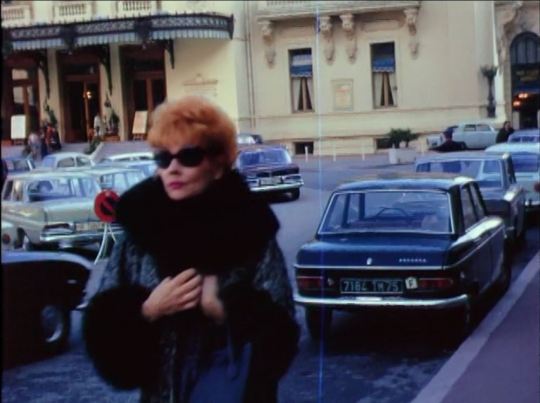
In 1965, Lucille Ball and her husband Gary Morton filmed a home movie while vacationing in Monte Carlo. The film takes place on the streets and features many vehicles.
“Lucy and the Submarine” (1966) ~ Before sneaking onto the submarine, Lucy hides out in a parked Laundry van.
“Lucy and the Ring-A-Ding Ring” (1966) ~ In this episode Mr. Mooney drives a red Volkswagen convertible bug, a somewhat unusual choice for a middle-aged banker during in the mid-1960s.
“Lucy in London” (1966) ~ The special was shot on location. Footage of Picadilly circus includes many vehicles, including a white VW Beetle.
“Lucy Puts Main Street on the Map” (1966) ~ A news crew operates out of a blue hatchback station wagon. The camera is mounted on the roof.
“Lucy Gets Involved” (1968) ~ Lucy moonlights as a carhop at a drive-in burger joint. The episode features the light blue 1962 Triumph TR4 convertible previously seen in “Lucy, the Meter Maid”.
The scenes feature a blue Ford Convertible, a vintage 1920s Roadster, a blue Sports Car, a red VW Beetle with Moon Roof, and a Police Car.
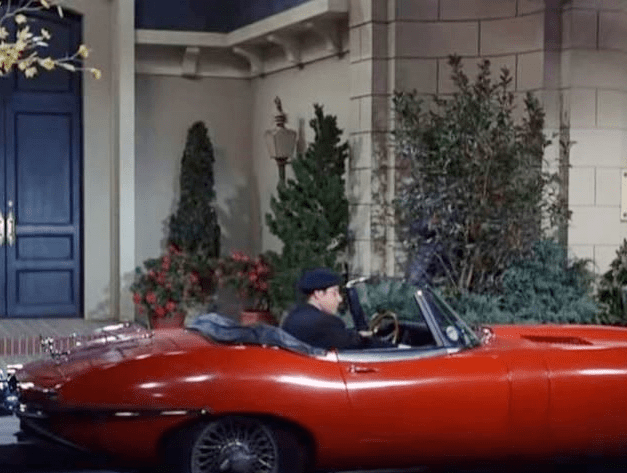
“Lucy and the Stolen Stole” (1968) ~ Buddy Hackett plays a con-man who drives a little red sportscar.
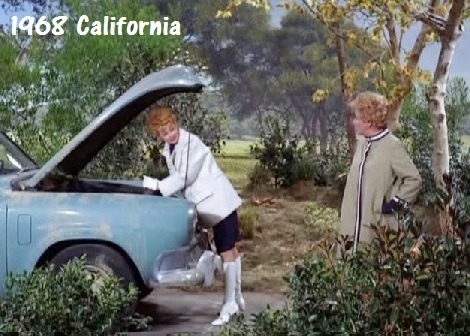
“Lucy and the Lost Star” (1968) ~ Before arriving at Joan Crawford’s mansion, Lucy and Viv’s car breaks down in the middle of nowhere.
-
RIP RAQUEL WELCH
1940-2023
Raquel Welch was born Jo Raquel Tejada in Chicago, Illinois. Her father was from Bolivia, and her mother was of English descent. As a young actress, her first role was playing a call girl in 1964′s A House is Not a Home starring Shelley WInters, Robert Taylor, and Cesar Romero. Her first TV appearance aired that same year.
During the 1960s, Welch soared to international fame as a sex symbol and pin-up model, disproving the popular opinion that only blondes could be sex symbols.
“Being a sex symbol was rather like being a convict. The mind is an erogenous zone.” ~ Raquel Welch
Although she never acted opposite Lucille Ball, her name did make its way into her sitcoms. Welch was first mentioned in “Lucy Visits Jack Benny” (1968). The Carters take a vacation rental at Jack Benny’s Palm Springs home. Benny tells Harry that his room is more expensive but that it overlooks Raquel Welch’s patio. When he learns that she sunbathes every day, miserly Harry eagerly agrees to the extra expense. Welch had three films in release in 1968: The Biggest Bundle of Them All, Bandolero, and Lady in Cement. She was also a real-life resident of Palm Springs.
In “Lucy and Johnny Carson” (1969), Harry plans to take Lucy and the kids to the taping of an educational TV panel show titled “The Origin of Money,” which Lucy says he drools over like he’s watching Raquel Welch take a bubble bath.
In April 1970 Welch hosted her own TV special “Raquel!” Her popularity led to her becoming one of the most mentioned people on television, especially on “Here’s Lucy.”
In “Lucy the American Mother” (1970), Craig makes a film about Lucy. When she can’t seem to act natural in front of the camera, Lucy suggests he get someone else to play his mother; someone like Raquel Welch, Carol Burnett, or Don Knotts.
In “Lucy Competes with Carol Burnett” (1970) ~ Carol and Lucy have a battle of wits to see who will win the Secretary Beautiful Pageant.
CAROL (to Lucy): “Compared to you, Tiny Tim looks like Raquel Welch.”
The two stars will again be mentioned In “Lucy and the Drum Contest” (1970), guest star Buddy Rich says he dreams about Raquel Welch. Listening to Craig play, he tells him to hit the cymbals harder.
RICH: “You’re not Tiny Tim tip-toeing through the tulips.”
In “Lucy the Crusader” (1970), it is Craig’s 18th birthday.
- LUCY (about Craig’s birthday present): “It’s something you’ve always wanted.”
- CRAIG: “Raquel Welch?”
It turns out to be a stereo.
In “Lucy and Carol Burnett aka The Unemployment Follies” (1971), Carol jokingly tells Lucy that ‘Carol Krausmeyer’ isn’t her professional name when acting – it’s Raquel Welch. She looks down at her bosom and says:
CAROL: “Ok, someone let the air out.”
This joke refers to voluptuous Welch’s ample bosom.
In “My Fair Buzzi” (1972), Harry tries to flatter the newly-transformed Annie Whipple (Ruth Buzzi) by saying his only regret is that he’s already promised to Raquel Welch.
LUCY & WELCH
“Will The Real Mr. Sellers…” (1969) was a psuedo documentary telefilm about the making of Sellers feature The Magic Christian. Lucy and Raquel (who was also in The Magic Christian, with Ringo Starr, above), both had cameos as themselves, but not in the same scenes.
“The AFI Tribute To Henry Fonda” (1978) ~ Lucy and Welch are both on hand to tribute Fonda. Welch never worked with Fonda.
“Night of 100 Stars 2″ (1985) ~ Raquel Welch (above with then husband Andre Weinfeld) was joined by Lucille Ball, Lucie Arnaz, and 97 other luminaries on the stage of Radio City Music Hall.
“The 61st Annual Academy Awards” (1989) ~ Raquel Welch was in the audience and Lucille Ball was a presenter, her final public appearance before her death.
Raquel Welch continued acting into 2017. She died at age 82 after a short illness. She was married four times and had two children, including actress Tahnee Welch.


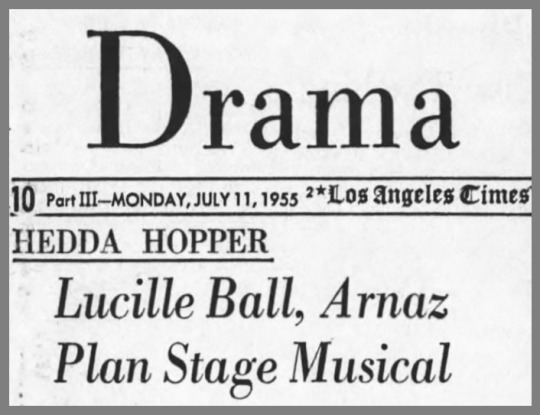
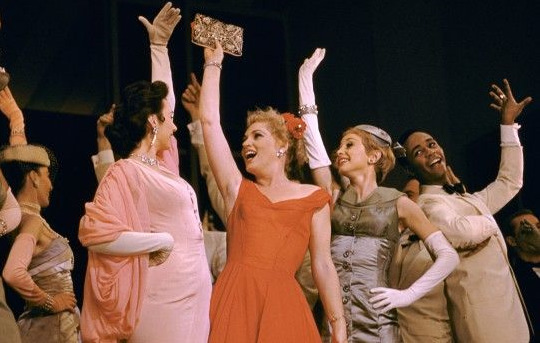
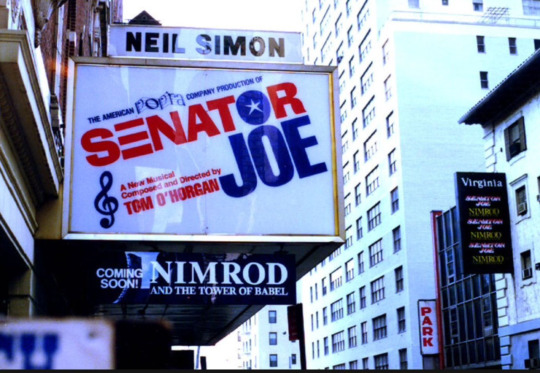
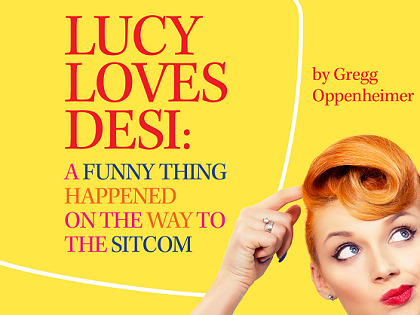

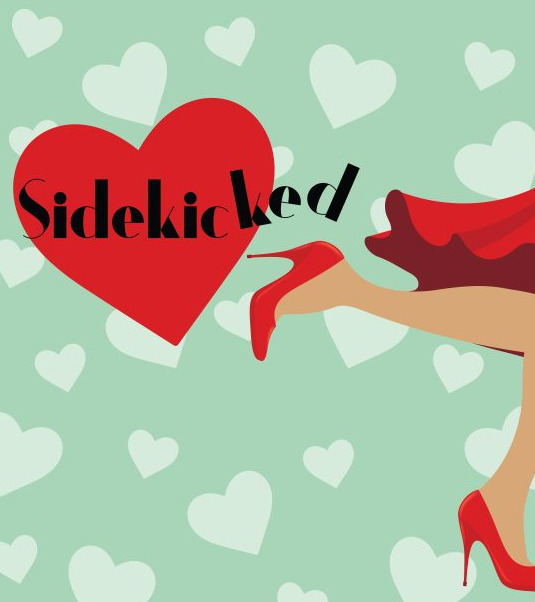
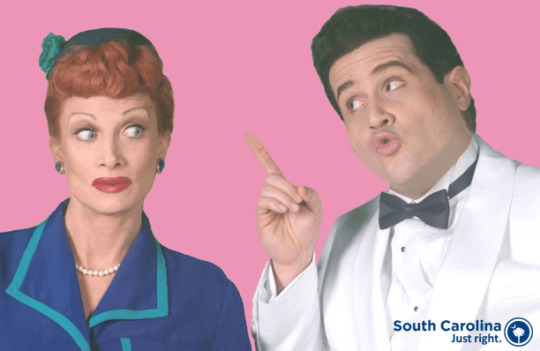
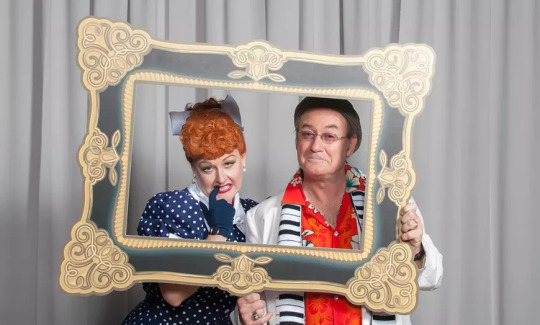




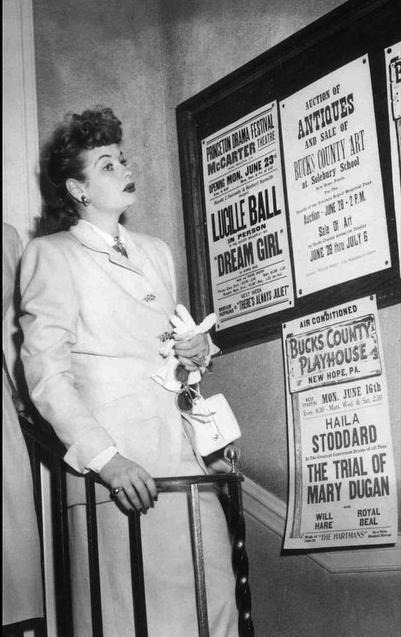

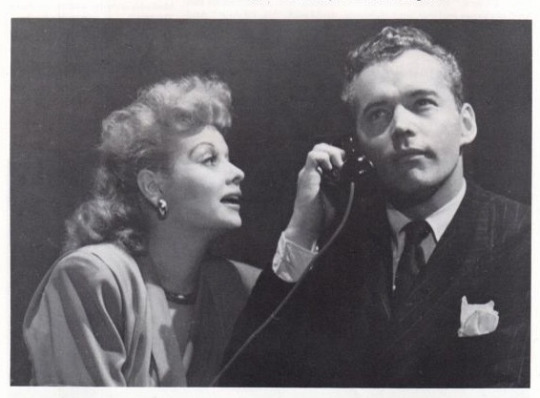
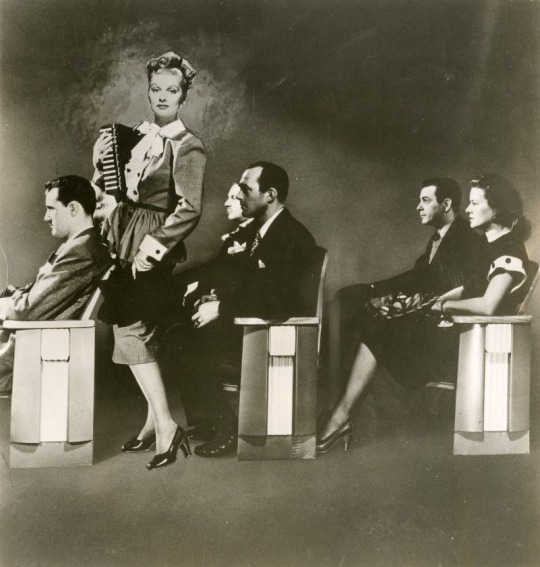


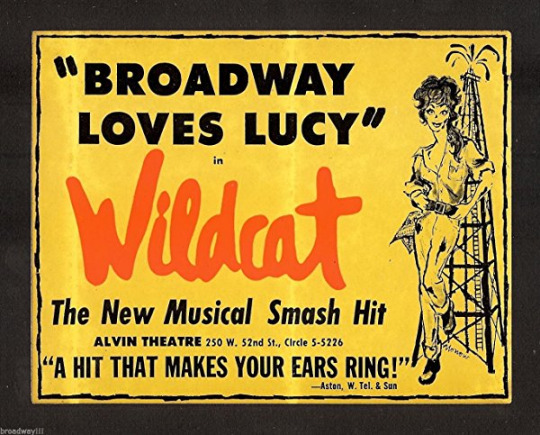
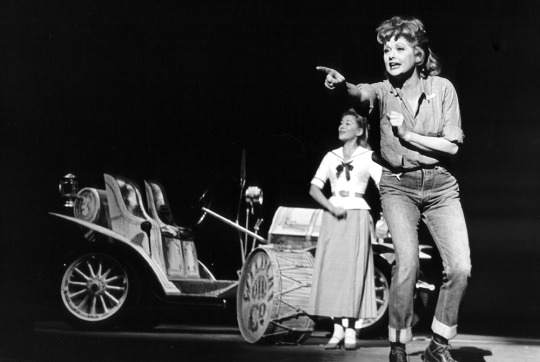


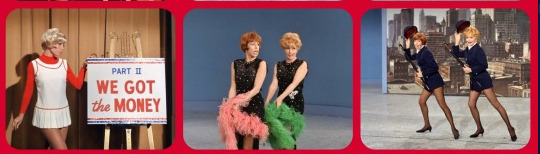


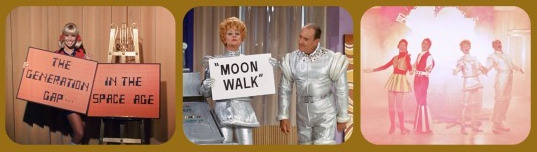
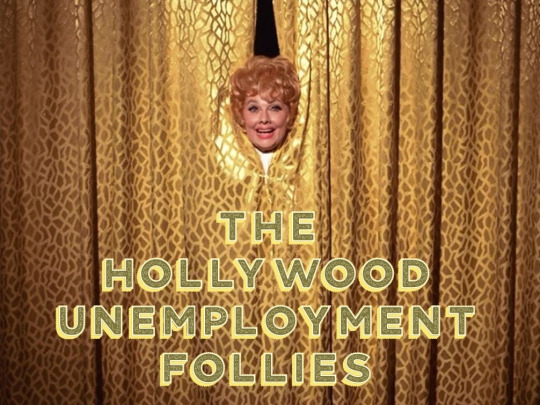


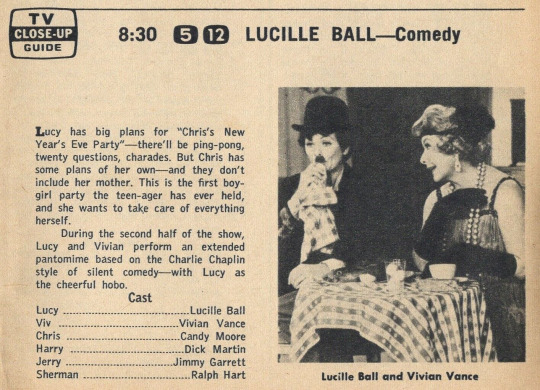
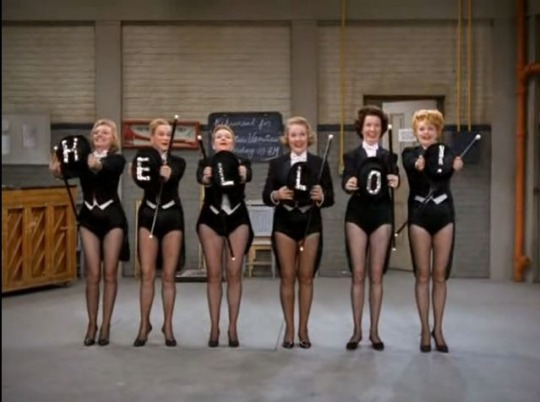


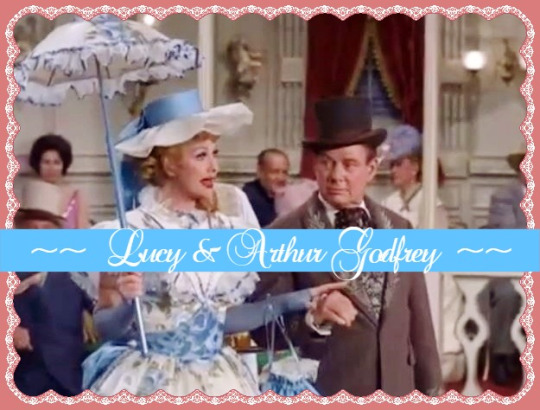
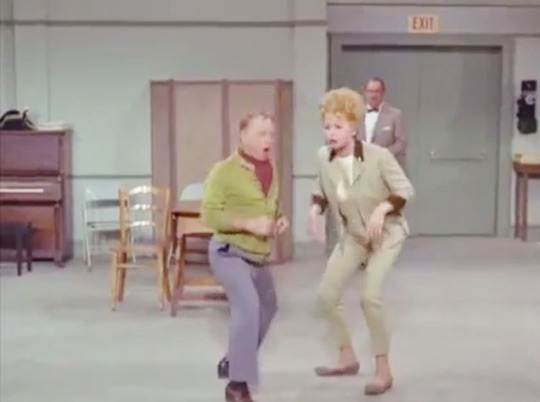
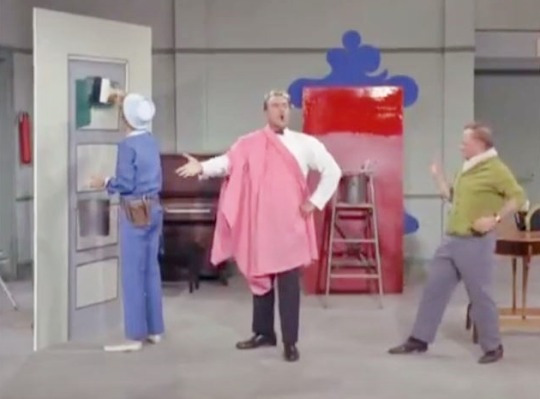


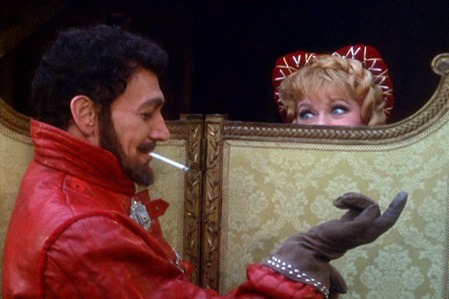


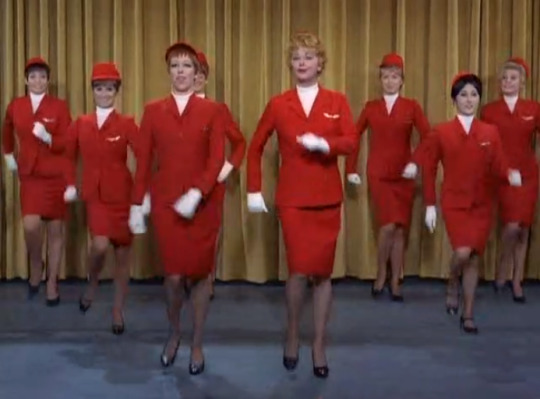

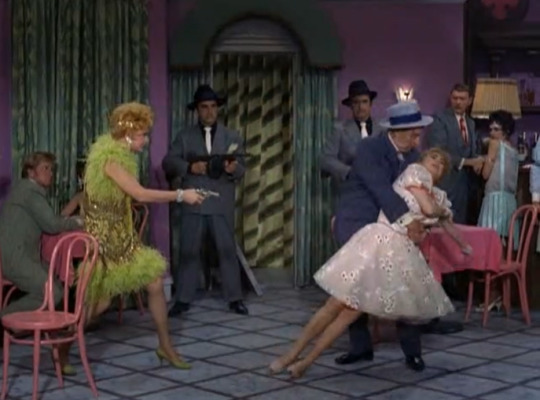
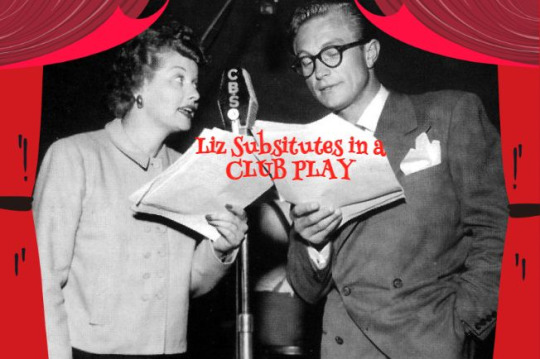
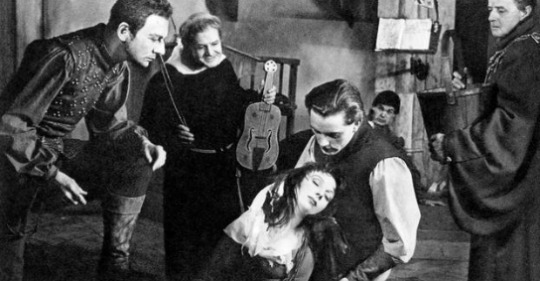
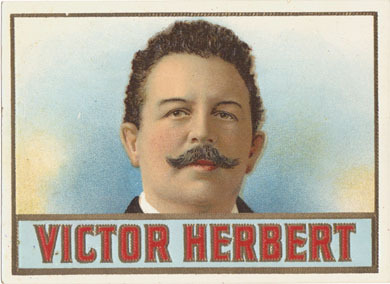
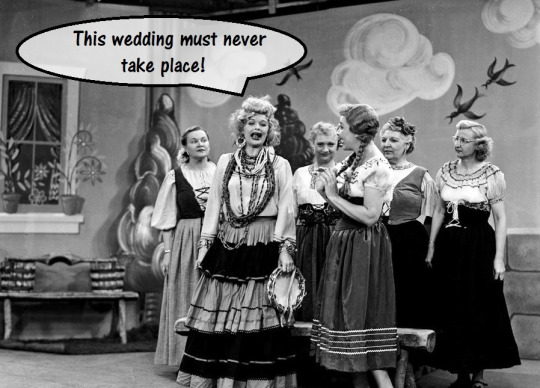
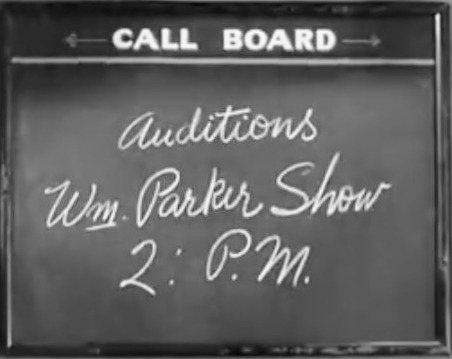

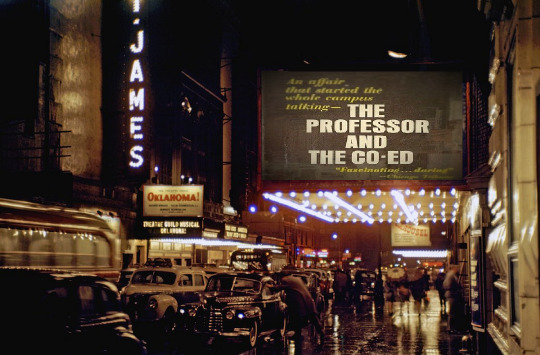
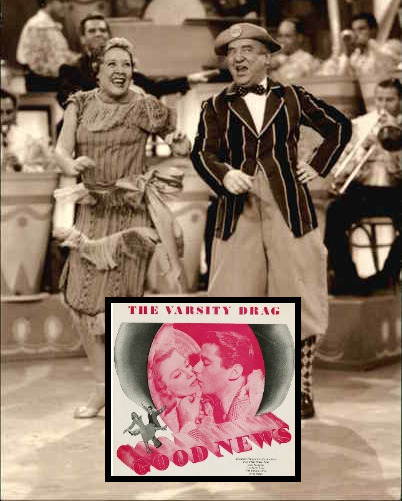
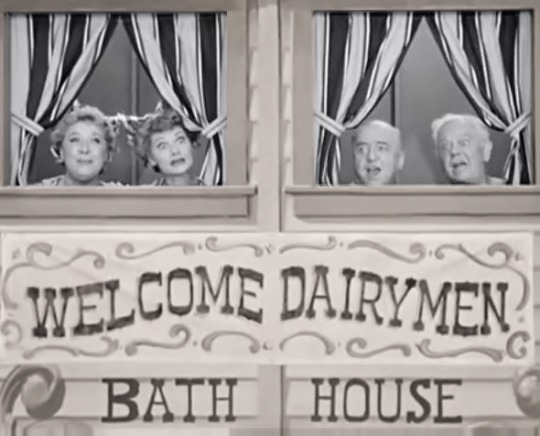

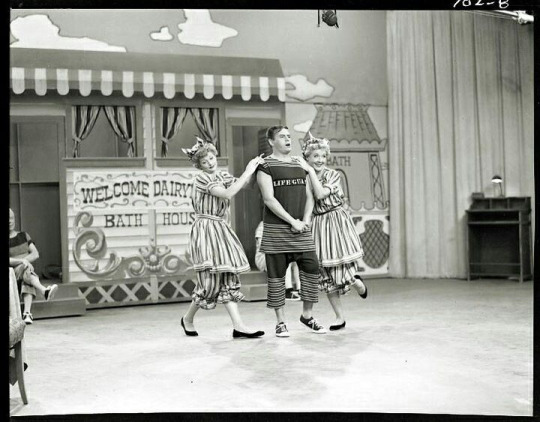

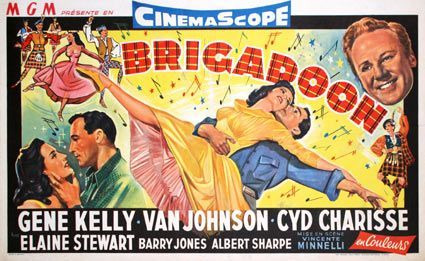

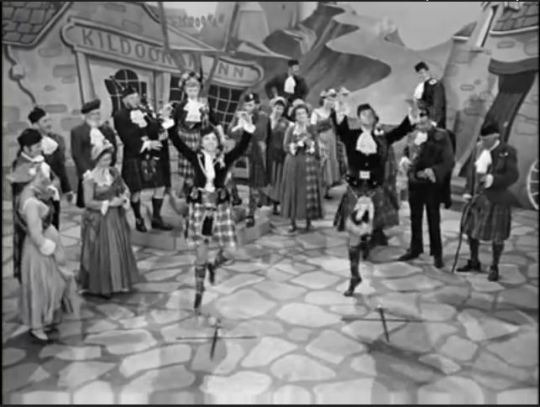

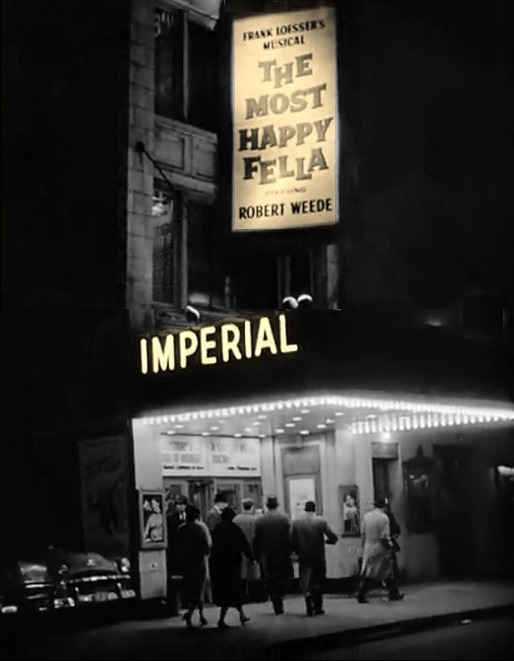

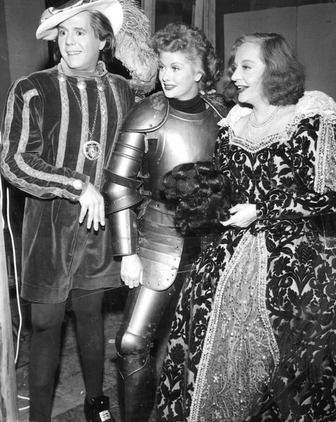
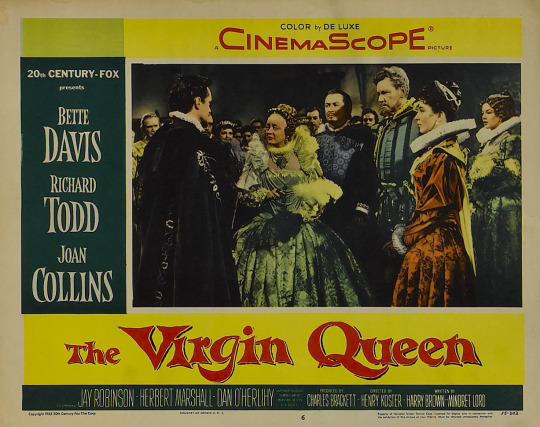

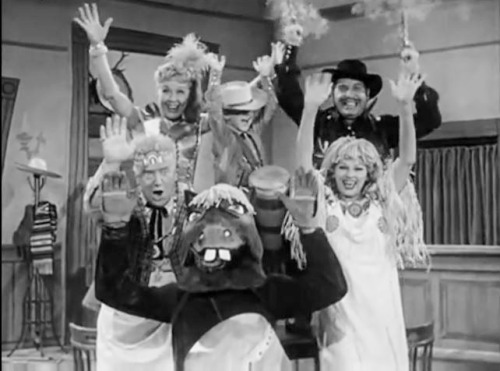

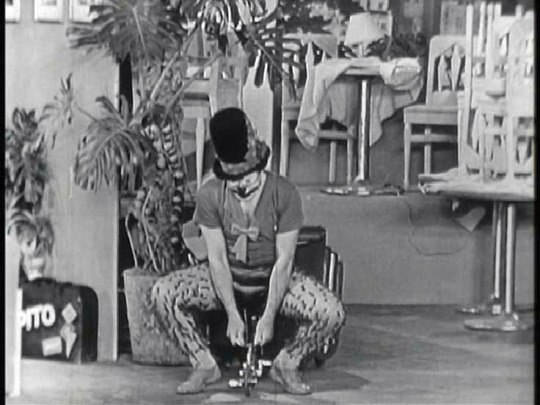
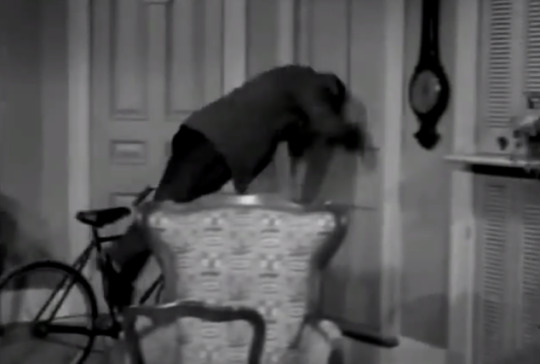
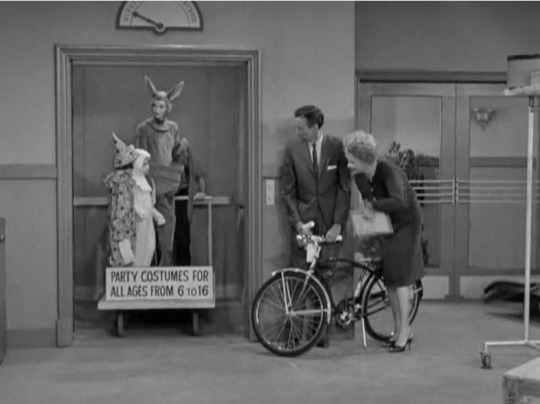


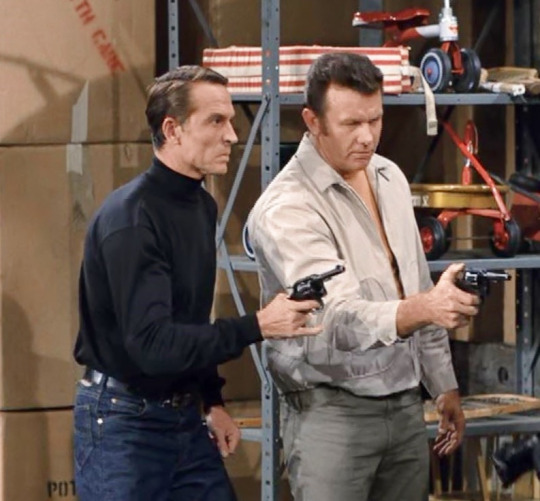
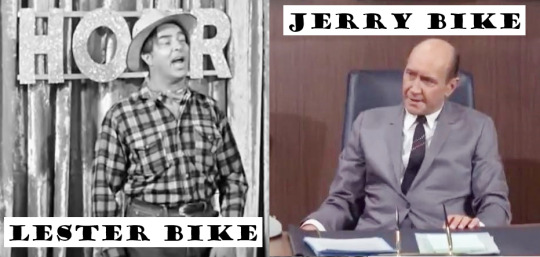
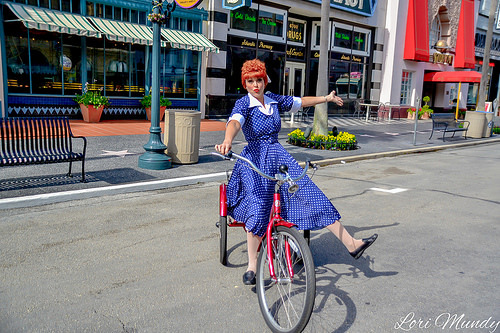

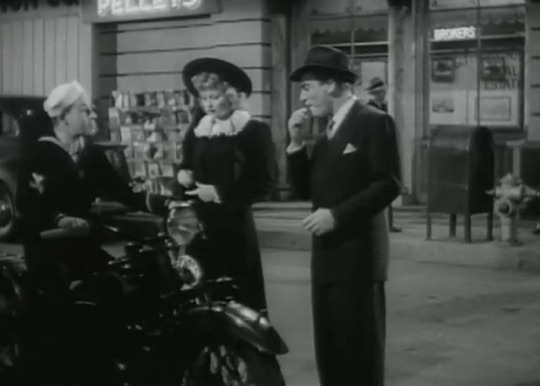

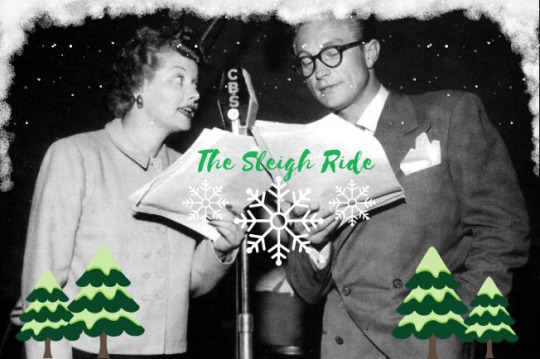
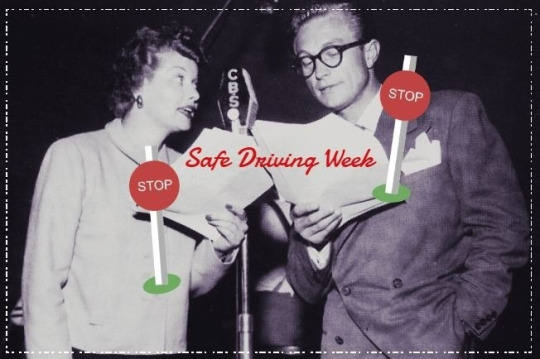
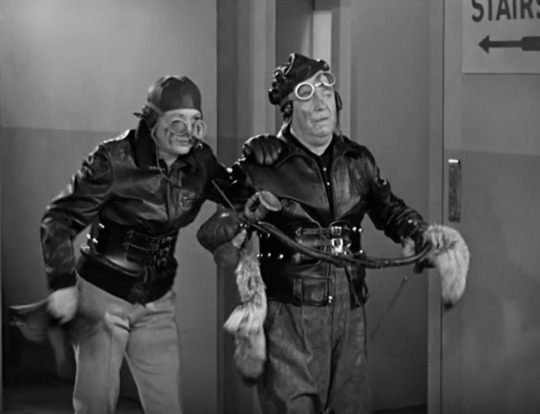


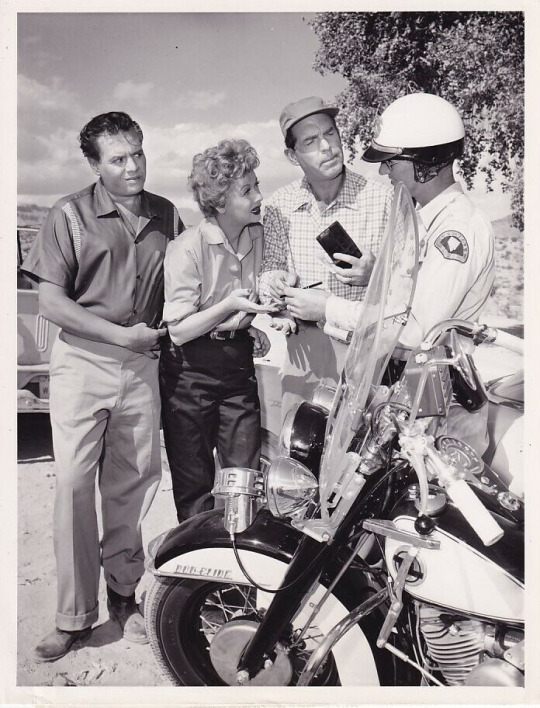
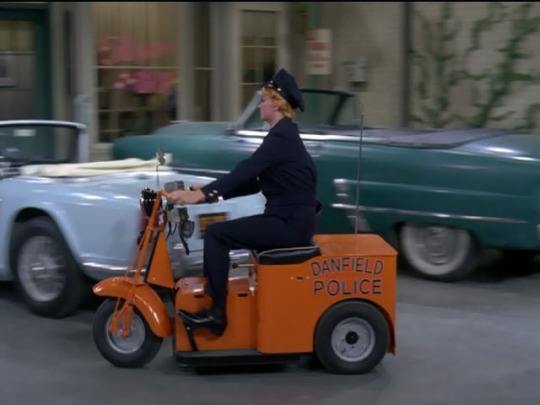
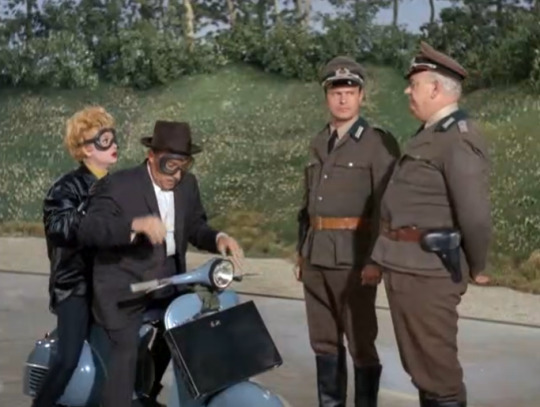
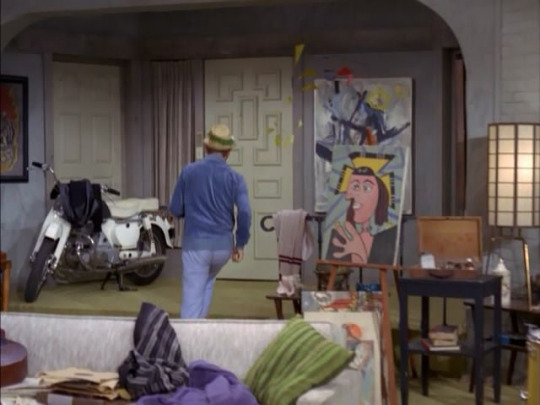

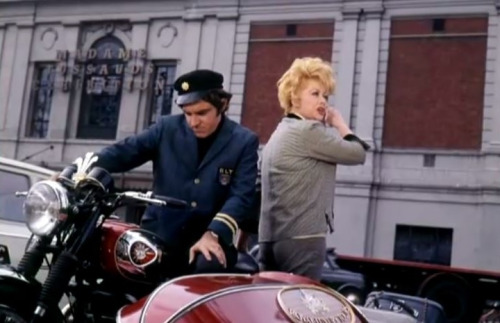

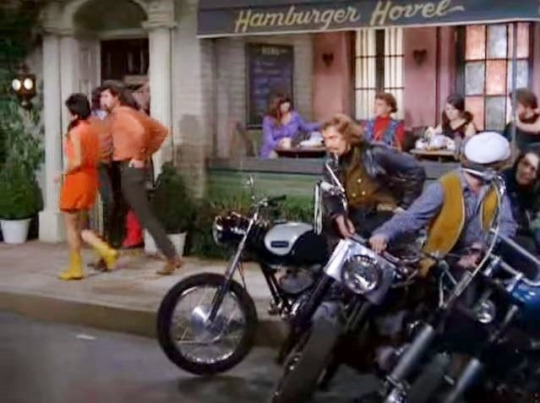
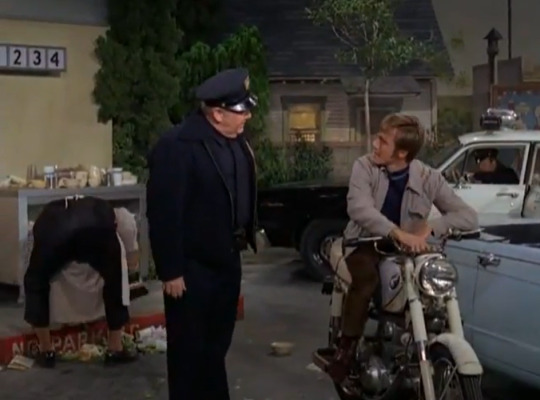
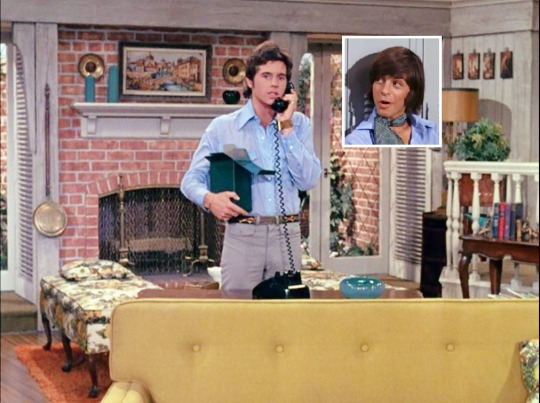
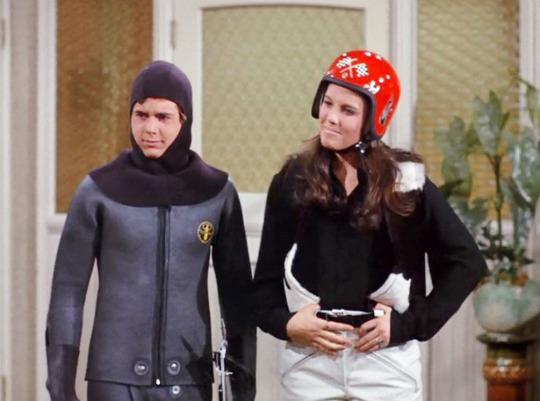
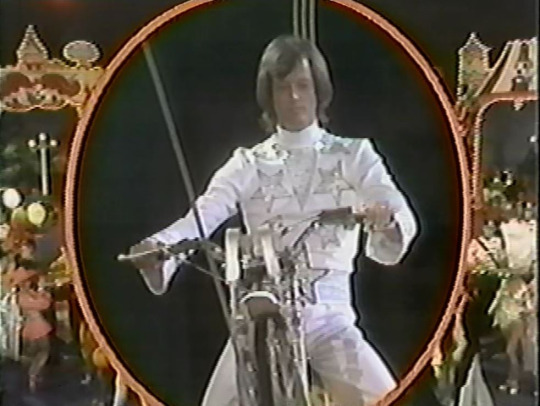
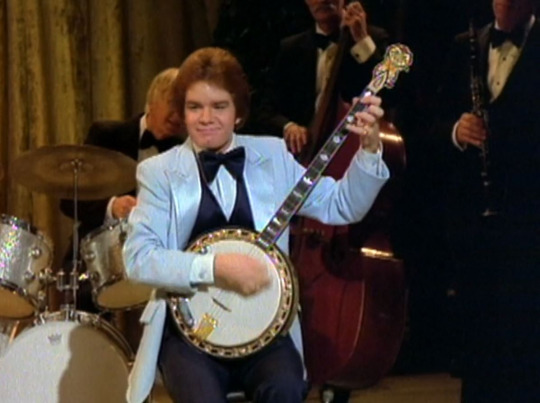


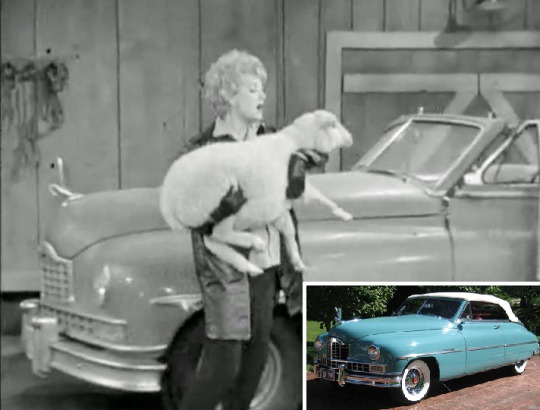

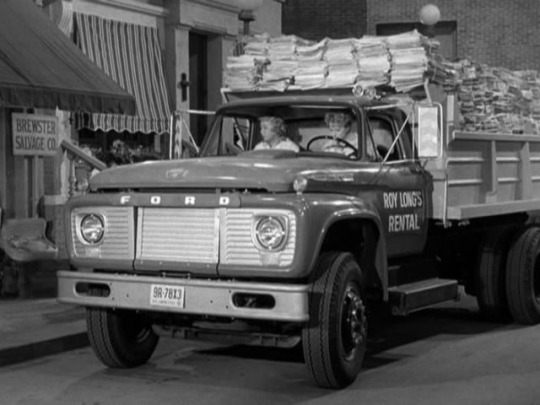

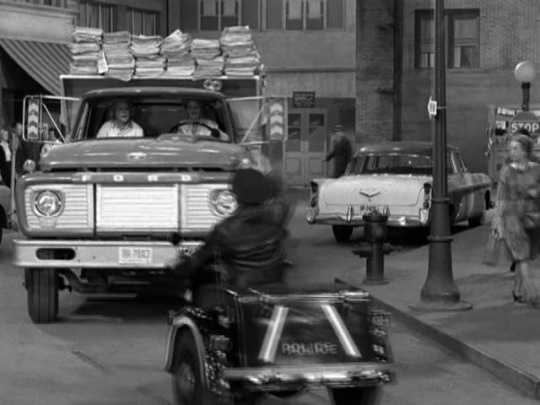
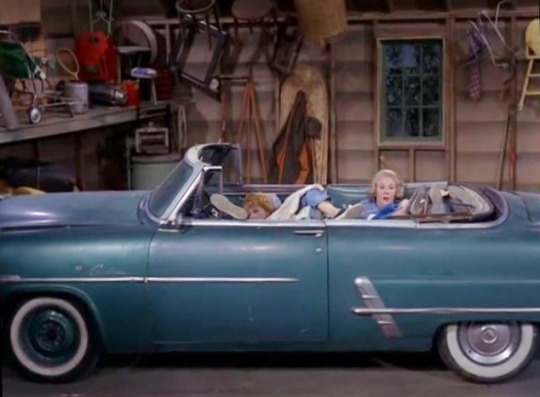
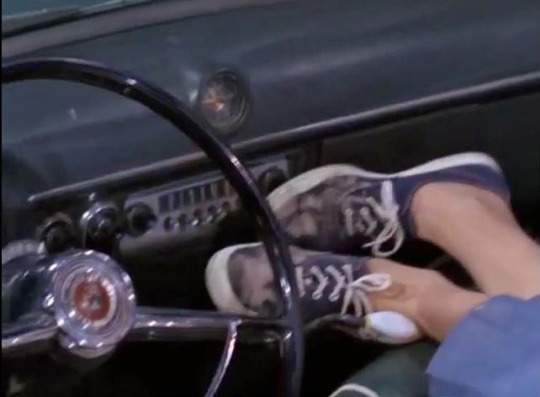

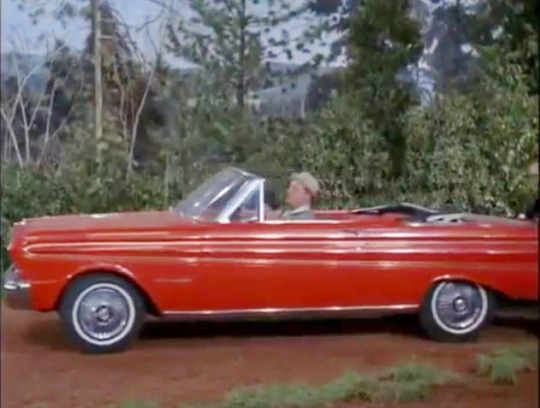
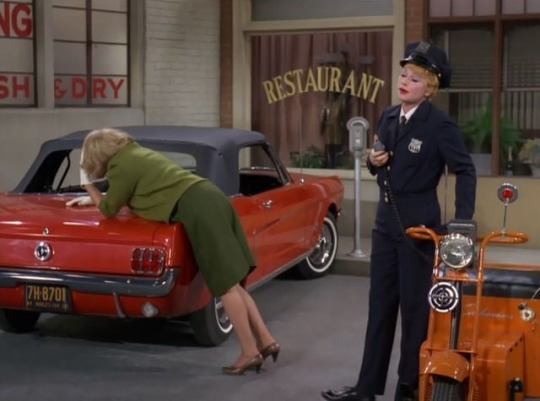
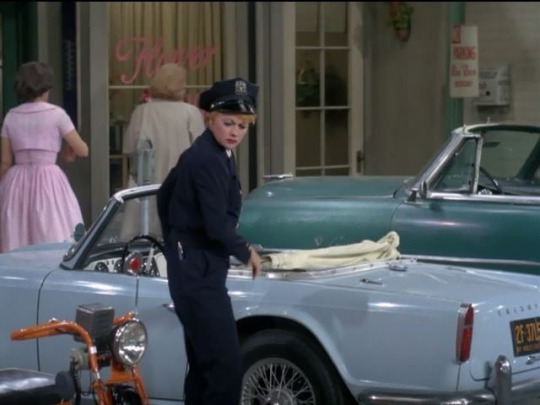

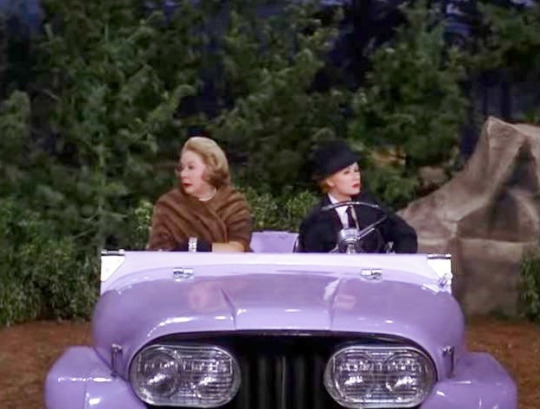
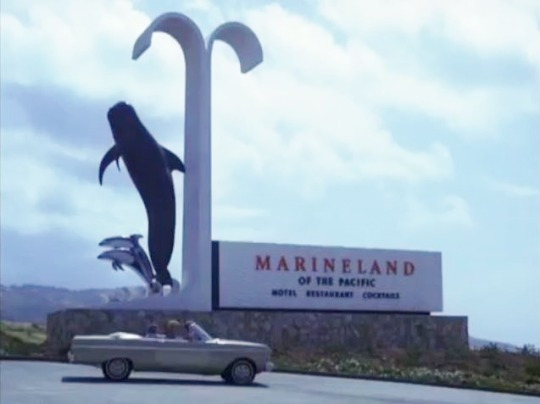
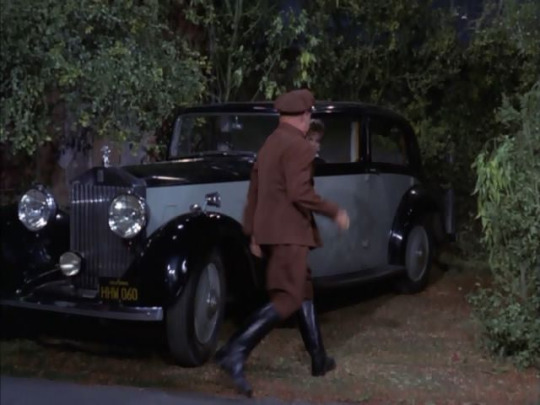
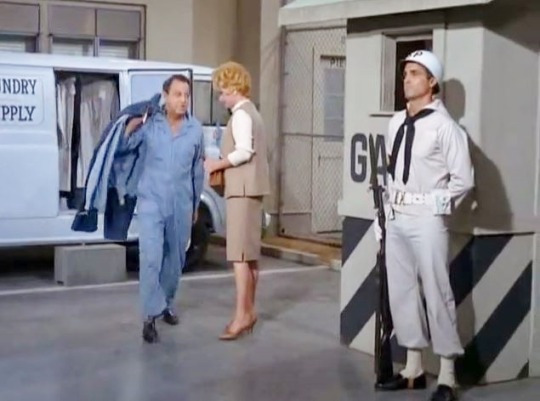

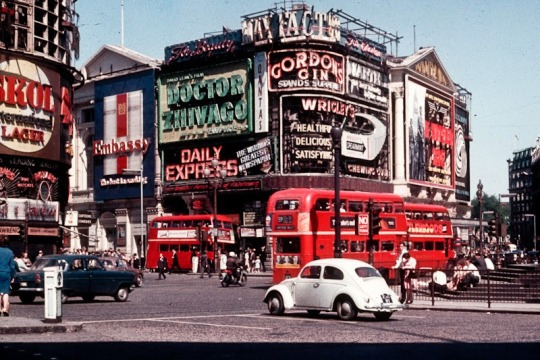
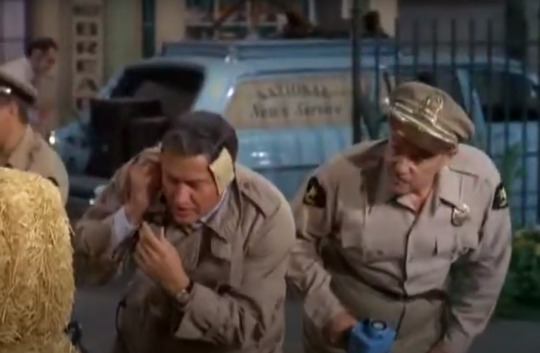


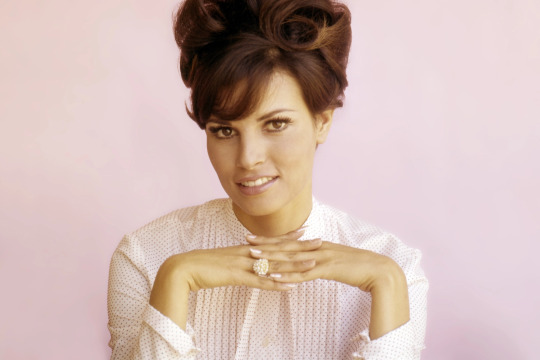
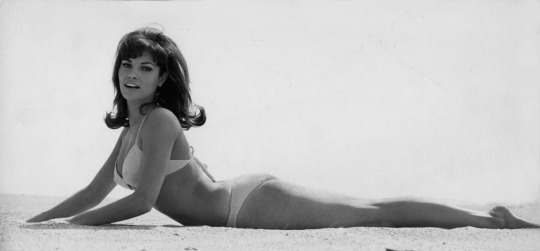
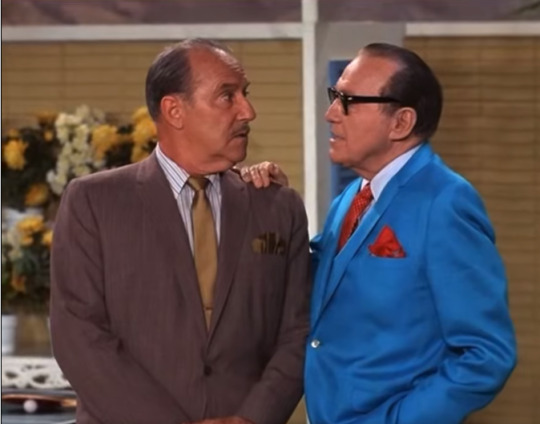
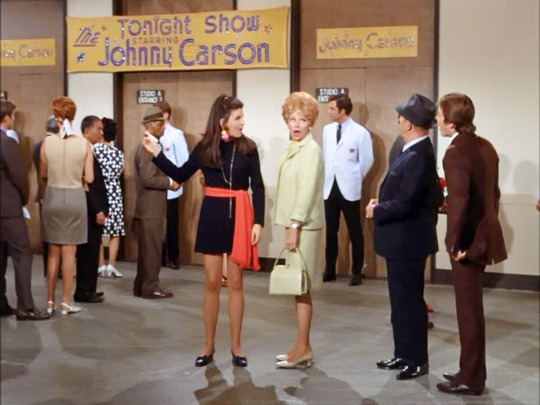

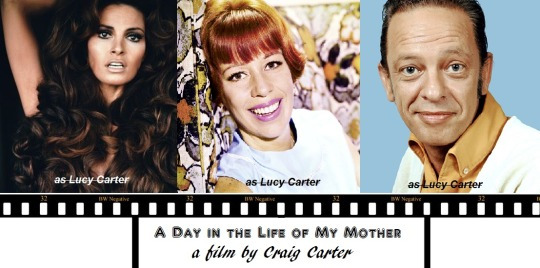
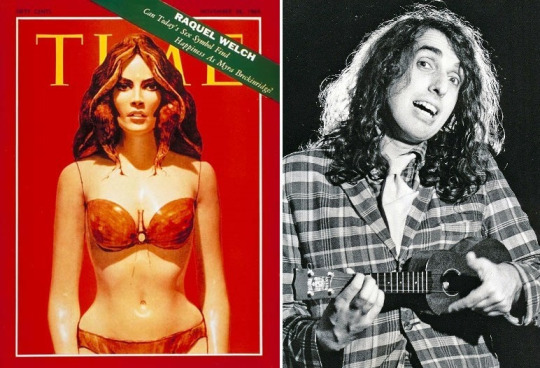

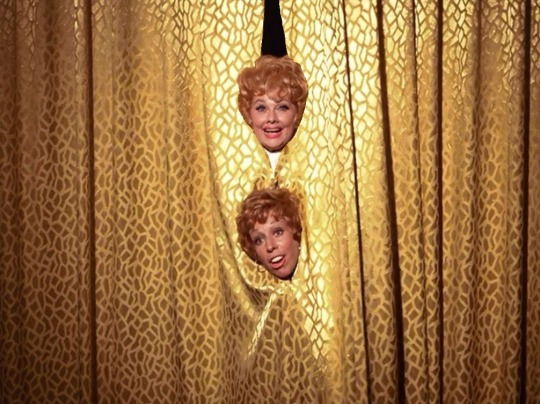
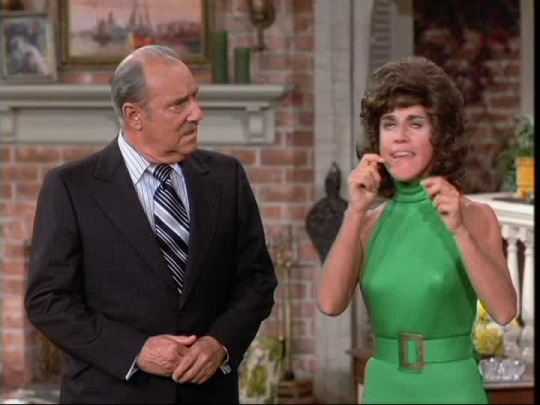

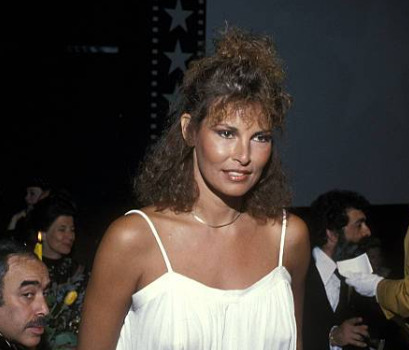

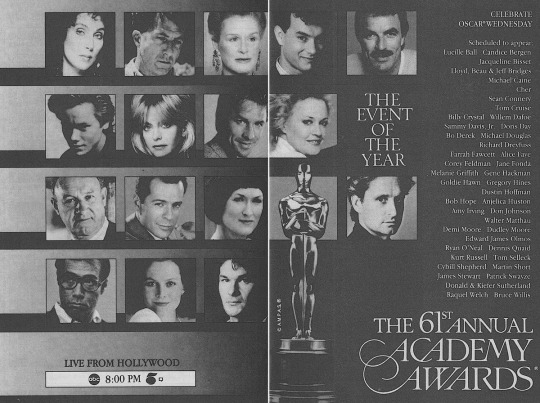
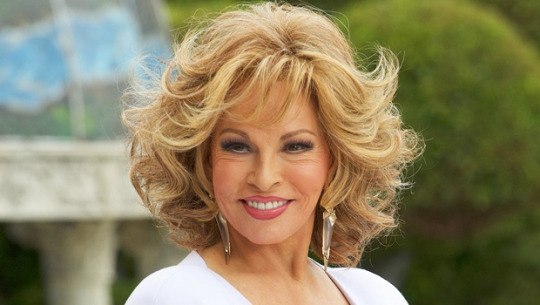
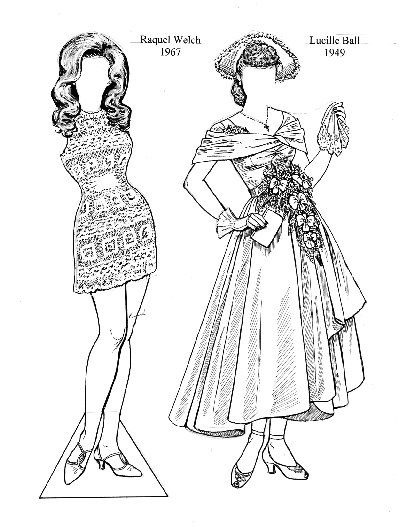
-
Subscribe
Subscribed
Already have a WordPress.com account? Log in now.
 Papermoon Loves Lucy