-
“The Benefit”

(S1;E13 ~ January 7, 1952) Directed by Marc Daniels. Written by
Jess Oppenheimer, Madelyn Pugh, and Bob Carroll, Jr. Filmed November 30, 1951 at General Service Studios. This was the 13th episode filmed. Rating: 51.6/72
Synopsis ~ When Ethel’s club enlists Ricky as a headliner, Lucy wants to get into the act as well, despite the fact that she can’t sing very well.

This plot of this episode is based on “Charity Revue,” episode #35 of Lucy’s radio show, “My Favorite Husband” which aired March 11, 1949.

This episode was filmed on Lucy and Desi’s 11th wedding anniversary. They were married in Connecticut in 1940 while Desi was performing with his band in NYC.
The show opens with the foursome playing bridge, but quickly moves to the piano.

This is the first episode where we learn of Lucy’s vocal short-comings. The trope of Lucy singing off-key comes from Lucy and Desi’s 1950 vaudeville tour act. In the tour and on radio, Lucy sang “Zing! Went the Strings of My Heart” as if she couldn’t sing well and it was decided to extend that character trait into the series.

Lucy consults a book titled “How to Sing” by F. Alsetto, a play on the word ‘falsetto’ which is a singing method used by men to sing notes higher than their normal range.

Ethel’s club,
the Middle East 68th Street Women’s Club, is having the benefit. It seems to be a precursor to the Wednesday Afternoon Fine Arts League. Curiously, Lucy is not a member of this club.
ETHEL: My woman’s club wants Ricky.
LUCY: Well, I’d be very glad to help them out, Ethel, but I’m not through with him yet.Oops! During the above lines the shadow of moving camera / microphone equipment can be seen on the shutters over Lucy’s shoulder.

When Ricky refuses, Lucy tells Ethel that MRS. Ricky Ricardo is still available.
ETHEL: It’s like expecting Clark Gable and getting Hubert Grimset.
LUCY: Hubert Grimset? Never heard of him.
ETHEL: Exactly.
Three songs are featured in this episode. “Shine On, Harvest Moon” is credited to the married vaudeville team Nora Bayes and Jack Norworth. The song was debuted by Bayes and Norworth in the Ziegfeld Follies of 1908 to great acclaim.

“Auf Wiedersehen, My Dear” was written in 1932 by Al Goodhart, Milton Ager, Al Hoffman and Ed G. Nelson. That same year it was sung by Bing Crosby in the film Hollywood on Parade.
LUCY (sarcastic): “Auf Wiedrsehen”? That’s a nice Cuban melody.
Oops! When Lucy and Ricky are learning the song, Desi nearly starts laughing at Lucy’s antics.

When Ricky quits and Lucy needs to find a new act, she suggests she and Ethel dress as a pantomime horse. Naturally, Ethel brings up the rear!
ETHEL (putting on the rear end of the horse costume): Oh, if my family in Albuquerque could see me, they’d die of shame.
LUCY: Speaking of Albuquerque, is it true that your father drinks goat’s milk?This is the first time we hear about Ethel’s hometown of Albuquerque and her father. The show will visit the New Mexico town and meet Ethel’s father, Will Potter, during the gang’s cross-country road trip to Hollywood during season four, almost exactly three years later. The line about her father drinking goat’s milk sounds like Lucille Ball ad-libbing while Vivian struggles to get into the horse costume.

Before Ethel introduces Lucy and Ricky at the benefit, she thanks someone off-camera / off-stage named “Mrs. Thompson”. The last name was probably selected to honor Maury Thompson, the show’s camera coordinator.

“We’ll Build a Bungalow” is a popular song from the early 20th century, written in 1902 by Bob Cole. It is often sung by children at camp. Larry Green and his Orchestra recorded the tune in 1949.

This episode was one of three edited together for the unreleased “I Love Lucy” Movie. The other two were “Breaking the Lease” (S1;E18) and “The Ballet” (S1;E19). The film, complete with new wrap-around material and backstage footage, was discovered in storage in the summer of 2001 and portions can be viewed on YouTube.

The Arnazes loved the material in this episode so much that they started doing the “Songs and Witty Sayings” routine at various industry functions and charity events, including the first major City of Hope fundraiser in Palm Springs in February 1953.

They recreated the entire “Songs and Witty Sayings” material (including the rehearsal scene with William Frawley) for the televised “Dinner with the President” event on November 25, 1953. Simulcast live over CBS, NBC, ABC and the old DuMont networks, “Dinner with the President” featured a dozen stars performing for President and Mrs. Eisenhower at a B’nai B’rith dinner in Washington DC. It was such a special event that Elois Jenssen, Lucy’s new wardrobe designer, had Lucy and Desi’s outfits remade.

In 2014, a touring show called “I Love Lucy Live On Stage” presented “The Benefit” as Act One of the show.
 1952, Bob Carroll Jr., CBS, Desi Arnaz, Dinner With the President, Eisenhower, Ethel Mertz, Fred Mertz, I love lucy, I Love Lucy Movie, Jess Oppenheimer, Lucille Ball, Lucy Ricardo, Madelyn Davis, Marc Daniels, Maury Thompson, My Favorite Husband, Ricky Ricardo, shine on harvest moon, Songs and Witty Sayings, The Benefit, tv, We’ll Build A Bungalow, William Frawley
 -
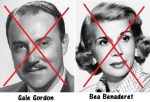
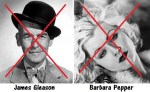

Casting Fred and Ethel Mertz on “I LOVE LUCY”
-
“The Fur Coat”

(S1;E9 ~ December 10, 1951) Directed by Marc Daniels. Written by Jess Oppenheimer, Madelyn Pugh and Bob Carroll, Jr. Filmed November 9, 1951 at General Service Studios.
Rating: 44.1/67
Synopsis ~ When Ricky brings home an expensive fur coat he needs for a prop at the club, Lucy thinks it’s an anniversary gift for her. Ricky tries desperately (and literally) to steal the coat away from her. When Lucy discovers the truth, she turns the tables.

This episode is based on “Anniversary Presents” (#44) from Lucy’s radio show, “My Favorite Husband” which first aired on May 13, 1949.
On the date this episode was filmed (November 9, 1951) Hungarian-born composer Sigmund Romberg died at age 64. He was famous for his operettas like The Student Prince (1924), The Desert Song (1926) and The New Moon (1928). His name was mentioned (fittingly) in “The Operetta” (S2;E5).

As a movie star and rich and powerful woman in Hollywood, Lucille Ball was frequently seen in fur in private life. For most of the 20th century, fur was seen as a mark of status and wealth. Shortly after this episode first aired, Ball got her first mink coat. She loved it so much and was so proud of its that she, like Lucy Ricardo, wore it all the time.

This is the first time Ricky says “Lucy! I’m home!” which will morph into “Honey! I’m home!” by the end of season two. Between the two greetings, Ricky utters these famous words a dozen times! The phrase has since gone on to become iconic sitcom dialogue representative of Desi Arnaz, Ricky Ricardo, “I Love Lucy,” and sitcoms in general.

Ricky says the fur coat cost $3,500, which is nearly $35,000 today. The coat is in a box labeled “Simon’s 1600 High Street New York N.Y.” This is probably an homage to Al Simon, the series’ Associate Producer. There is no High Street in New York City.
Sitcom Logic Alert! One wonders if Ricky ever thought of renting an imitation fur coat from a costume shop since this idea comes so quickly to Lucy when she wants to trick Ricky by substituting a faux fur to get back at him.
Ricky says that he and Lucy moved in to the Mertzes’ apartment building on August 6, 1948. In real-life this was Lucille Ball’s 37th birthday.

William Frawley (Fred) is especially animated during the opening scene. Twice he puts on a high-pitched feminine voice (”Never! Never! Never!”) and he also pulls a few uncharacteristically comic faces. In the first moments, he is working on the Ricardos’ sink and holds a wrench. But as the scene progresses, he doesn’t put it down – but holds it throughout the ensuing action – more than five minutes of screen time!

Oops! When Ricky is crawling along the bedroom floor, the camera reveals the edge of the stage where the carpeting ends. This was not uncommon, especially on wide shots. It was nearly an every episode occurrence during “The Lucy Show” and “Here’s Lucy.” Ricky also seems to wear his wristwatch to bed! Indeed, this iteration of the bedroom set does not feature a clock (that we can see, anyway).

When Ricky leans over Lucy to ‘steal’ the fur, the camera catches a glimpse of Desi Arnaz’s St. Christopher Medal. The medal was given to Desi by Lucille early in their marriage. St. Christopher is the patron saint of travelers. Desi was a Catholic immigrant who traveled from Cuba to the USA as a boy. In later seasons, Desi stopped wearing his wedding ring on his finger and added it to the chain with the medal.

This episode also gives us a clear look at the framed portrait on the chest of drawers. It is a portrait print of Major John Biddle by the 19th century portraitist Thomas Sully (1783-1872). the original hangs in the Metropolitan Museum of Art. Biddle (1792-1859) served in the army in the War of 1812 when he was only 20 and he stayed in the army until 1821. In 1818, Biddle acquired 1,800 acres of land south of Detroit and built an estate there in 1835 which he named Wyandotte, after the Native American people who had once lived there. In 1853, he sold Wyandotte and the land was developed into the city of Wyandotte, Michigan. Today, a street called Biddle Avenue stretches through Wyandotte.

Lucille Ball was about a year old when her family moved to Wyandotte so her father could take a job as a telephone lineman. They lived at 126 Biddle Avenue, now renumbered to 3738 Biddle Avenue. Lucille’s family lived there until Lucy’s father, Henry, died of typhoid fever at the house in 1915. Lucy was barely four years old. The family moved back to Jamestown, New York, where Lucy was born and her extended family still lived.
The house was demolished in 1963.
The death of Lucy’s father had a great impact on her and her work. There are few father figures on Lucy sitcoms. Perhaps this is why the portrait of Major John Biddle was selected over all others.

Thinking that Lucy will take off the coat to wash dishes, Ricky searches frantically through the bedroom closet on her side of the bed and the hall closet, but neglects to look in the closet on his side of the bed, which Lucy earlier emerged from wearing the coat and inside of which are her dresses and hatboxes!

Oh, well – he soon finds out she’s wearing it!

Ricky asks Fred to pose as a burglar and break in and steal the coat. Naturally, a real thief beats him to it!

Ben Weldon (Burglar) had appeared in Sorrowful Jones (1949) with Lucille Ball and would go on to be seen in a 1963 episode of “The Lucy Show.” Earlier in 1951, he appeared with William Frawley in the film The Lemon Drop Kid starring Bob Hope.

Oops! In the next morning kitchen scene after the bungled burglaries, the camera stays on Ethel long after she has left the shot to cross the kitchen. This gives the viewers time to notice that there is no cityscape background outside the kitchen window! There are also no kitchen curtains!
Ethel finally spills the beans about the burglar and the coat.
LUCY: “I’ve been living in a mink’s paradise.”

The original script had an additional scene where Ricky turns up the thermostat to try and get Lucy to take off the fur coat. When Ricky asks Lucy how she can stand the heat, she implies that she’s naked underneath the coat. This line was deemed too risqué for television and cut.

During the cross fade from Lucy and Ethel plotting in the kitchen to Lucy putting the fake fur coat on Ethel in the bedroom, viewers can tell that the actors are holding still (coat half on) waiting for their cue: “Action!” It is only for a brief moment, but sharp eyes can see it! It bears remembering that this is only the ninth episode of a new series which was reinventing the way television (a relatively young medium) was done. There were bound to be some rough edges in early episodes.

LUCY: “Hey, look at me! I’m a fur stylist!”
Oops! When Lucy is cutting up the faux fur, it is obvious that the places she pretends to cut have been loosely basted together with thread so that Ball can merely tear them away. By the time she gets to the right sleeve, she doesn’t even pretend to use the scissors – she just pulls!
FAST FORWARD!
This episode was rerun during Lucille Ball’s maternity leave. A new intro was filmed where Lucy pretends she’s cold and needs to bundle up as a way to get Ricky to buy her a fur. She also leaves the newspaper open to ads for fur coats.

In “Sentimental Anniversary” (S3;E16) Ricky gives Lucy stone martens which she wore in “Lucy is Envious” (S3;E23, above), “Ethel’s Birthday” (S4;E8), and many other episodes. In “Lucy Cries Wolf” (S4;E3) it is mentioned that Lucy also has a lynx stole, which Fred wants to use as a bath mat! Lucy nearly gets her mink in “Redecorating the Mertzes’ Apartment” (S3;E8), but the cost of the coat ends up paying for new furniture for the Ricardo apartment.
ETHEL: “What happened to your mink stole?”
LUCY: “We’re sitting on it!”
At the start of that episode, Ricky forbids Lucy to tell anyone else about her mink, so she takes it as an opportunity to play a game of charades. This is something Lucille Ball was expert at and frequently had written into the scripts.

In “Lucy Changes Her Mind” (S2;E21), much of the action is set at Henderson’s Furs.

In “Oil Wells” (S3;E18), Lucy and Ethel get decked out in expensive furs when they think they will be rich from an impending gusher.

What Becomes Lucy Carmichael Most?

In “The Fur Coat” Lucy Ricardo loves her new mink coat so much, she even wears it to bed and while washing the dishes! In
“Lucy the Stunt Man” (TLS S4;E5), Lucy Carmichael loves her new leopard fur coat so much, she also wears it to bed and while washing the dishes! Lucy purchased the coat from Felix Franco the Friendly Furrier and then must take a job as a stunt performer to pay for it. .

While living in Danfield, Lucy Carmichael shopped at Madame Fifi’s fur salon in “Lucy Gets Amnesia” (TLS S3;E4).

Madame Fifi was played by French-born Broadway actress Fifi D’Orsay.

In “Lucy Makes a Pinch” (TLS S3;E8), Officer Lucy is loaned furs from Madame Fifi’s to go undercover. Jack Baker played the Detective.

In “Lucy and the Stolen Stole” (TLS S6;E19), the gray fur stole that lands Mr. Mooney and Lucy Carmichael in jail is the same costume piece that Mary Jane (Mary Jane Croft) purchased with five others and loans to Lucy in “Little Old Lucy” (TLS S6;E7).

The opening of “Lucy and Pat Collins” (TLS S5;E11) is set in a fur salon featuring Georgia Holt (Cher’s mom) as the fur model.

In a 1971 episode of “Here’s Lucy” the Carters go undercover to rob
the Supreme Fur Salon
thinking they are on an episode of “Candid Camera” – of course, they aren’t!

In June 1956, Lucille Ball paid $10 to store one of her mink coats at Edwards & Kroll of Beverly Hills.

In 2001, a Polish remake loosely based on “I Love Lucy” titled “Kocham Klara” (”I Love Clara”), presented “There Will Be Fur Tomorrow” loosely based on this episode and co-written with the cooperation of the original “I Love Lucy” writers.
Kuba brings home an expensive fur coat that he borrowed for his cabaret show at the club. Due to a misunderstanding, Klara is convinced that this fur is for her and thanks Cuba for not forgetting their wedding anniversary. Kuba, who of course forgot about their anniversary, now does not have the courage to tell Clara about the actual purpose of the fur. The day of the show is approaching and the devastated Kuba has only one solution: a burglar will sneak into the house, the fur coat will be stolen, and the show will be saved.
1951, Al Simon, Ann Sothern, Ben Welden, Blackglama, Desi Arnaz, Edward Biddle, Ethel Mertz, Fifi D’Orsay, Fred Mertz, Furs, Gale Gordon, Georgia Holt, Here’s Lucy, I love lucy, Jack Baker, Lucie Arnaz, Lucille Ball, Lucy, Lucy Ricardo, Mary Jane Croft, Mink Coat, Ricky Ricardo, Sigmund Romberg, The Fur Coat, The Lucy Show, tv, Vivian Vance, William Frawley, Wyandotte -
“The Girls Want To Go To a Nightclub”

(S1;E1 ~ October 15, 1951) Directed by Marc Daniels. Written by Jess Oppenheimer, Madelyn Pugh and Bob Carroll, Jr. Filmed September 15, 1951 at General Services Studio.
Rating: 38.7/56

Synopsis ~ It is the Mertz’s wedding anniversary and Ethel wants to celebrate by going to the Copacabana, while Fred wants to attend the fights. Ethel and Lucy tell Fred and Ricky that they’ll just go nightclubbing without them – with dates! When Ricky and Fred say they will also get dates, Lucy decides that she and Ethel will disguise themselves as country bumpkins to teach them a lesson.

The was the second episode filmed but the first to be aired. CBS and sponsor Philip Morris felt that it was more entertaining due to the antics in the hillbilly scene. The first episode filmed was “Lucy Thinks Ricky is Trying to Murder Her” which aired fourth. The switch in broadcast order was not due to technical difficulties, as has been often reported.

“I Love Lucy” premiered on CBS in the timeslot that had been occupied by bandleader Horace Heidt’s “Original Youth Opportunity Show” sponsored by Philip Morris.

“I Love Lucy” faced competition from the Top Ten ranked “Lights Out” on NBC.

The lead-in show for “I Love Lucy” was “Arthur Godfrey’s Talent Scouts.” The series had finished eighth in the ratings last season, and would finish first (two notches above “I Love Lucy”) in this one. In fact, Godfrey actually advised viewers to stay tuned for the new redhead on the TV block. After Godfrey fell out of favor with TV audiences, Lucille Ball offered him a guest spot on a 1965 episode of “The Lucy Show.”
The night the episode aired, the cast and crew gathered at the home of director Marc Daniels to watch together.
"We invited everyone to watch the show at our house at the end of Laurel Canyon in Horseshoe Canyon where we had just moved. I remember because I made dinner and had the plates in the oven to keep them warm. While we were watching the show, I forgot all about them, so when it was over we had to wait another ten or fifteen minutes for them to cool off before we could eat. When we finished, it was eleven o’clock. The only one who was laughing was Phil Ober because he hadn’t seen it. And he had this deep baritone laugh like ‘HO HO HO.’ But the rest of us just sat there emotionless staring at the set.”

The series’ live commercial featured actor John Stevenson speaking live from the Ricardo living room:
“In a moment we’ll look in on Lucille Ball and Desi Arnaz, but before we do may I ask a very personal question? The question is simply this – Do you inhale? Well, I do. And chances are you do, too. And because you inhale, you’re better off – much better off – smoking Philip Morris… And now, Lucille Ball and Desi Arnaz in I Love Lucy.”
Ironically, some Southern California viewers had trouble seeing this first episode (except for the live commercials) due to technical problems at the local CBS affiliate, KTSL.

“The laughs were there and plentiful but not quite so raucous as the audience made them out to be… The writing and plotting should be more inventive and less contrived for the sake of laughs.“ ~ Daily Variety
“The new Lucille Ball-Desi Arnaz show establishes film’s secure place in video sweepstakes–when introduced into the medium under such handsome and professional auspices as applies to Lucy. For here is a film that has all the Grade A qualities of major studio production, achieving a depth and visual values that pertain to theatre presentation, yet encompassing showmanship, for which much credit belongs to Karl Freund on the camera masterminding and Marc Daniels on the direction.” ~ Weekly Variety

Lucy’s line “Ever since we said, ‘I do’ there are so many things we don’t” was considered by producer Jess Oppenheimer to be the funniest line of the entire series.

Lucy and Desi made their TV Guide cover debut in the October 12, 1951 (pre-national) issue. In October 1951, Lucille Ball, an established film and radio performer, was a “new” TV star. She would go on to grace the cover of the very first National Edition of TV Guide, and 38 others, more than anyone else. This cover also depicts Abbott and Costello, Danny Thomas, Bob Hope, and Desi Arnaz. Like Lucille, they were all moving their successful radio, nightclub, and film work to the small screen in the hopes of success.

The very first image the television audience will have of Lucy and Ethel is of them doing dishes, establishing them as typical American housewives. It was important that Lucy not be thought of as a movie star or a celebrity (which she was) for the series to work.
Ethel wears a house dress with a criss-cross collar that she will be seen many times during the first few seasons. Repeating wardrobe items gave the series a continuity and reality.

ETHEL (drying): “You missed a spot.”
LUCY (washing): “That’s the design. Flowers against a background of… gravy.”Oops! Lucy’s Franciscan Ivy dishware has no flowers on it, just a green ivy pattern.

A year later, with the series established, Lucille Ball and Desi Arnaz did a photo shoot at home with her still doing dishes, while Desi watches!

Even the “I Love Lucy” comic books dealt with the subject of ‘washing up’.

In “Pioneer Women” (S1;E25) Lucy figures that in a decade of marriage she’s washed 219,000 dishes! Eight years later, when “Lucy Wants A Career,” she calculates that she’s prepared 19,710 meals in eighteen years of marriage.

In “Equal Rights” (S3;E4), Lucy and Ethel must put their dish washing skills to the test to pay their share of the bill at a restaurant.

In this episode, we learn that Fred and Ethel have been married 18 years, although the original script it was 24 years. It will be changed to 25 years in season 2.
ETHEL: “It’s my 18th wedding anniversary.”
LUCY: “Oh? You and Fred?”
ETHEL: “No, me and Gregory Peck.”This makes actor Gregory Peck the first celebrity mentioned on “I Love Lucy.” He will also be mentioned in “The Young Fans” (S1;E20) and “Hollywood at Last!” (S4;E16). Although Peck never acted opposite Lucille Ball, the pair appeared together on several award shows, tributes, and variety programs.

With the main sponsor cigarette maker Philip Morris, it doesn’t take long for a ‘bit’ to be made out of cigarette smoking. In this case, even Fred and Ethel light up, something that rarely happened on the series. Lucy and Desi were avid smokers off-screen, while Bill Frawley and Vivian Vance were not.

Handsome young Desi Arnaz looks exceptionally dashing in this specially lit camera shot by cinematographer ‘Papa’ Freund. These portrait shots were scattered throughout season one, but were discontinued as time consuming and expensive.

Boxing, a typically masculine sport, was as important in making handsome performer Desi Arnaz into a down-to-earth American husband as doing dishes was in making Lucille Ball into a housewife. Throughout the series, Ricky and Fred are fight fans, with Fred even said to be a Golden Gloves winner! Adding to the macho tropes, Fred wants to precede the fights with a visit to Charlie’s Steakhouse.

Oops! Twice within a few minutes, the camera equipment can be briefly glimpsed on the right side of the screen.

To find ‘dates’ Lucy breaks out her 11 year-old phone directory and starts with the ‘A’s’ – George Anderson, BUtterfield 8-9970. The ‘BUtterfield’ telephone exchange was located on the upper East Side of Manhattan. A 1935 novel titled BUtterfield 8 by John O’Hara was adapted into a 1960 film that won Elizabeth Taylor an Oscar.

As the camera zooms in on Ethel staring wide-eyed at Lucy’s little black book, a cross fade slowly transforms Ethel into Fred, who is in his apartment drinking beer from a Pilsner glass. This is another example of Karl Freund’s skill.
This is the first time America sees the Mertz apartment. Ricky tells Fred that he burned his address book when he was first married because Lucy told him it was part of the American marriage ritual.
Instead, he phones now-married Ginny Jones, who knows every showgirl in town.

Another cross fade takes us between Ricky on the phone at the Mertzs’ and Lucy on the phone in her apartment. She is finishing a call to a guy named Paul Wagner, who now has seven children. The only three entries left in the book are Excelsior Cleaners, Yum Yum Market, and Sam Zabaglione (”Nobody’d marry him”). A subtle joke: Lucy has apparently listed the Excelsior Cleaners under ‘X’ instead of ‘E’. Sam’s telephone number is PL5-2099. While Lucy dials Sam, Ethel turns back a page and asks about Howard Thompson. Lucy says Howard is busy Monday night babysitting with his grandson! Notice that the anniversary is on MONDAY night, a night that will become synonymous with “I Love Lucy” and all of Lucille Ball’s sitcoms for the next 45 years! Sam’s little girl answers the phone which effectively puts and end to the A to Z hunt for old boyfriends!
Coincidentally, Lucy also gets the idea to call Ginny Jones, who she claims knows every man in town. Two classic gags are born here:
ETHEL: “Who are you calling? Who? Who? Who?”
LUCY: “Quiet. You sound like an owl.”and
LUCY (on telephone): “They didn’t? They did? They did! They didn’t!”
ETHEL: “Well did they or didn’t they?”
Ginny (a character we never see or hear about again) works at the Starlight Roof, which is located on the 19th floor of the iconic Waldorf Astoria, where Lucy will stay as the Maharincess of Franistan in “The Publicity Agent” (S1;E31) and Lucy’s school chum Cynthia Harcourt will set up digs while canvassing for funds in “Lucy is Envious” (S3;E23). From the hotel’s opening in 1931 until well into the 1950s, the 6,000-square-foot Art Deco Starlight Roof was the talk of the town and reigned as the nightclub where the see-and-be-seen spent their evenings.

The girls, however, have their hearts set on the Copacabana, which opened in 1940 at 10 East 60th Street. The Copacabana had Brazilian decor and Latin-themed orchestras, although the menu featured Chinese food. The club was also known for its chorus line of Copacabana Girls, who had pink hair and elaborate sequined costumes, mink panties and brassieres, and fruited turbans, not unlike the one Lucy wears in “Be A Pal” (S1;E2). The Copa will be mentioned again in a 1964 episode of “The Lucy Show.”

In hillbilly mode, Lucy calls herself Euncie and Ethel is Ma. Ma carries an oversized umbrella and Euncie carries a moonshine jug.

Oops! In the above promo photo the sofa has been put up on blocks. The spike marks on the set floor are also visible.
“Guadalajara” is the first song Ricky sings in the series, accompanying himself on guitar. It is a well-known mariachi song written by Pepe Guízar in 1937 in honor of his hometown in Mexico. It is considered the mother of all ‘ranchera musica’ and its refrain “Ay ay ay” is an expression of exasperation that Ricky Ricardo will say repeat many times throughout the series. Fred joins in on the chorus. Ethel (”Ma”) screeches out the final note.

Interestingly, in the syndicated version, after Ricky and Fred unmask their wives, before the epilogue, the heart logo appears. This was probably a live commercial break during the original telecast.

The closing scene, set at a boxing match, was actually filmed in the “I Love Lucy” studio audience grandstand seats. The cameras simply turned around. Male background performers were likely members of the Desi Arnaz / Ricky Ricardo Orchestra.
FAST FORWARD
During Lucille Ball’s maternity leave, this episode was rerun with a new opening showing Ricky and Fred watching the fights on TV. Ethel changes the channel causing them to miss the end of the boxing match. Ricky says he’ll go to the fights live next time, but Fred reminds him of how much Lucy and Ethel hate it – which leads into the flashback.

Lucille Ball revisited Euncie in a 1967 episode of “The Lucy Show” featuring Tennessee Ernie Ford.
-
“Housewarming”

(S6;E23 ~ April 1, 1957) Directed by William Asher. Written by Madelyn Martin, Bob Carroll, Jr., Bob Schiller, and Bob Weiskopf. Filmed on February 28, 1957 at Ren-Mar Studios. Rating: 45.1/62
Synopsis ~ When Ethel and Betty Ramsey become chums, Lucy feels left out until she mistakenly thinks that they are throwing them a housewarming party.

To bring her two best friends together, Lucy decides to invite Betty and Ethel to “a fancy girl-type luncheon like we used to have at Schrafft’s in New York.” Although nearly forgotten today, Schrafft’s was a chain of moderately priced New York restaurants which often attracted ladies who were out for shopping trips. Schrafft’s was one of the first restaurants to allow un-escorted females on a routine basis. In 1981, the Boston-based candy company that owned the chain ceased operations, leaving just a few remaining restaurants in private hands. Schrafft’s was previously mentioned in “Lucy Does the Tango” (S6;E20).
LUCY (To Betty): You know, we’re in the egg business together, so half those [eggs] belong to Ethel. (To Ethel) Isn’t that right, dear?
ETHEL: Yes. The shells.
During the luncheon scene, it is reported that Vivian Vance ad-libbed the line “I have sufficient,” which became one of the more quoted lines from the series. If this is true, then it was likely done in rehearsals and then retained for the filming, since Lucille was strict about sticking to the script. It isn’t long before Lucy and Betty realize they both hale from Albuquerque, New Mexico. It is revealed that Betty’s maiden name is Foster and that she went to the same elementary school as Ethel. Betty’s father, Leslie Foster, also belonged to the same lodge as Ethel’s dad, Will Potter. Betty moved from Albuquerque when she was only 9. All this strolling down memory lane makes Lucy feel left out, and she tries to chime in with “I’m from Jamestown,” but to no avail. We then learn that Lucy Ricardo lived in Jamestown until she was 17, the same age that Lucille Ball left for New York City.
The surname Foster was used in season one for the characters of Grace and Bill. Grace was the subject of gossip when she supposedly had an affair with the milkman. Gloria Blondell played the character in another episode, where she sold Ricky pearls for Lucy, but was again suspected of infidelity.

ETHEL: “Now, don’t tell me you’ve invited Betty Ramsey, the Elsa Maxwell of Westport to lunch, too.”
Ethel is referencing a famous gossip columnist and professional hostess renowned for her throwing parties for royalty and high society figures. In her own words, Elsa Maxwell described herself as “… a short, fat, homely piano player from Keokuk, Iowa, with no money or background, [who] decided to become a legend and did just that.”

Thanks to Fred’s installation of a new intercom system, Lucy hears something that makes her think that Ethel and Betty are throwing the Ricardos a surprise housewarming party. When no one shows up, Ethel overhears Lucy crying and throws together an impromptu late-night soiree. During the episode we learn a bit more about Lucy’s Westport neighbors. Although Betty Ramsey (Mary Jane Croft) is featured, Ralph (usually played by Frank Nelson) is said to be away on a business trip, possibly due to Nelson not being available for the filming. Their son, Bruce, makes his third and final appearance on the series. He was played by Ray Farrell. Along with his brother Todd, Ray appeared on “Lassie.” He left show business at age 11 and died at the age of 57 in 2006.


We hear about Kay Bailey and her (unnamed) husband. The surname Bailey appears in Lucille Ball’s family tree. We also hear about Harry and Grace Munson. Ruth Brady assumed the role of Grace in season 6 from Hazel Pierce, who played her in season two. Apparently the Munsons also made the move to suburban Connecticut since they are now being considered neighbors. Tristram Coffin played Harry Munson in two season six episodes. Two additional neighbor couples are mentioned: Bill and June Spear and the Parkers, although if they are among the couples that hastily show up in the final party scene, they are not identified or credited.

Realizing she doesn’t have a gift for her last minute housewarming, Ethel quickly wraps up a candlestick, forgetting that it was given to her by Lucy!

At the end of the episode, Lucille Ball and Desi Arnaz address the camera with a commercial. It is a classic example of Lucy making fun of Desi’s accent:
JOHNNY JACOBS (Voice Over Announcer): Here again are Lucille Ball and Desi Arnaz for our alternate sponsors.
DESI: Listen, honey, tonight I gotta tell the ladies about the new Squiz Cumb Lilt Home Permanent, and I need your help.
LUCILLE: “Oh, you sure do. It’s the new Squeeze Comb Lilt Home Permanent.
DESI: Ah, you don’t understand, honey. Just tell me the name of this thin’ here.
LUCILLE: That’s the Squiz Cumb. I mean it’s a Squeeze Comb.
DESI: No, no, no, no, this.
LUCILLE: Oh, that’s the comb tip.
DESI: Thank you. Now, this cumb tip cumbs the lotion right into your hair out of a squiz bottle.
LUCILLE: Remember how we gals used to dip-dab those messy lotions on? Well, that’s out. With new Lilt, you just squeeze the bottle and it combs itself right in. It’s so simple, even he could do it if he had to.
DESI: Yeah, it’s izzy.
LUCILLE: Yeah, it’s izzy. And you’ll get the most beautiful, longest-lasting home permanent you’ve ever had.
DESI: Thank you, honey. Now, ladies, remember this name: Squiz. Cumb. Lilt.
LUCILLE: Squeeze Comb Lilt Home Permanent.
JOHNNY JACOBS: “Love Lucy” starring Lucille Ball and Desi Arnaz has been presented for your pleasure by Instant Sanka, the hearty coffee you can drink as strong as you like, it still can’t upset your nerves.
1957, Albuquerque, Betty Ramsey, Desi Arnaz, Elsa Maxwell, Ethel Mertz, Frank Nelson, Fred Mertz, Hazel Pierce, Housewarming, I love lucy, Jamestown NY, Keith Thibodeaux, Little Ricky, Lucille Ball, Lucy Ricardo, Mary Jane Croft, Ray Ferrell, Ricky Ricardo, Ruth Brady, Schraffts, Tristram Coffin, tv, Vivian Vance, Westport -
“Lucy and the Loving Cup”

(S6;E12 ~ January 7, 1957) Directed by James V. Kern. Written by Madelyn Martin, Bob Carroll, Jr., Bob Schiller, and Bob Weiskopf. Filmed on November 1, 1956 at Ren-Mar Studios. It was the 165th episode to be filmed. Rating: 50.9/68
1957 starts the last calendar year of the half hour “I Love Lucy “ series.

Synopsis ~ Ricky is scheduled to present a trophy to jockey Johnny Longden so Lucy gets to buy a new hat and dress for the occasion. When her new hat is ridiculed as a “fuzzy fishbowl” Lucy jokingly puts the loving cup on her head – and then can’t get it off! Lucy and Ethel take a subway downtown to a silversmith to see about its removal in order to get the cup to the award ceremony on time!

Lucy’s penchant for buying new hats was the catalyst for “Ricky Loses His Temper” (S3;E18, above). Lucy claims the “fishbowl hat” is the height of Paris fashion and only cost $49.95.

Little Ricky (Richard Keith) thinks the loving cup would make a good home for his turtle! Two weeks later, in “Little Ricky Gets a Dog” (S6;E14), Little Ricky has not one, but two turtles: Tommy and Jimmy, named after the Dorsey Brothers, who were both bandleaders, just like Ricky.
When Ricky forbids Lucy to wear her new hat, she tries on the loving cup instead – and can’t get it off.

Fred compares the shape of the upside down loving cup with the shape of the Kaiser’s spike helmet. Fred’s military service in World War I was extensively mentioned before the gang traveled to Europe.
Oops! Ethel still claims that she has been married to Fred for 25 years. This has been proven inaccurate on many occasions. Ethel is probably just exaggerating for comic effect.

Believe it or not, Lucille Ball had claustrophobia so the prop designers had small eye holes carved into the decorative design on the cup so she could (somewhat) safely move around the stage.

ETHEL: Lucy, I have never ridden on a subway in my blue jeans, and I’m not gonna start now.
This line says a lot about the change in public dress codes since the 1950s. Denim blue jeans (aka dungarees) had the reputation of being utility clothing, and were not considered proper for a lady to wear in public.
FRED: (to Ethel) Honeybunch, can I help it if I think of you as my dungaree doll?
To make the trip downtown more realistic, a combination of stock footage of the New York subway trains and studio-shot segments were combined.

Lucy’s subway journey on the Lexington Avenue local. From 68th Street to Bleecker Street (where she and Ethel get separated). She disembarks at Spring Street, but is caught up in the crowd boarding the train and ends up at the terminus, Flatbush Avenue, Brooklyn!

Oops! Lucy and Ethel’s subway journey is full of continuity problems. The interior shots with the actors were shot on the Desilu stage, in a mock-up of a subway car with signs on the sides indicating “Lexington Avenue Local”, “Flatbush Avenue” and “Woodlawn”. The IRT Lexington Avenue Local (today the 6 train) runs between the Bronx and lower Manhattan, not into Brooklyn (where Lucy ends up). Also, the shot of the subway train leaving Bleecker Street has been reversed for continuity sake.

The same is done when the Times Square #7 leaves Spring Street.

Red Cross posters were a favorite of the Desilu set decorators. They turn up again in the rented hall in “Ricky Has Labor Pains” (S2;E14), the butcher shop in “The Freezer” (S1;E29), and on the Westport train station in “Lucy Misses the Mertzes” (S6;E17).
Extra! Extra!
This episode called for dozens of extras to play strap hangers in the subway sequences.

Lester Dorr (’Smart Alec’) had appeared with Lucille Ball in the films The Bowery (1933) and Follow The Fleet (1936).

Joan Carey (passenger with scarf on her head, right) was a frequent Desilu background player and future stand-in for Lucille Ball on “The Lucy Show.”
Sam Harris (passenger with a cane, left) was born in 1877 and had done a dozen films with Lucille Ball. This is his second time as an extra on “I Love Lucy.” He would make half a dozen appearances on “The Lucy Show.” Harris had been glimpsed in such Hollywood musicals as My Fair Lady (1964), Mary Poppins (1964) and The Sound of Music (1965).
When she loses her veil, Lucy looks other-worldly. The moment is reminiscent of when Lucy impersonated a woman from Mars in “Lucy is Envious” (S3;E23).

To hide herself, she covers her head with a newspaper – The Daily Chronicle. This is a fictional Hollywood-created newspaper, probably provided by Earl Hays Press, which specialized in providing prop newspapers for movies and TV. Coincidentally, ‘The Daily Chronicle’ turned up again in 1969 during an episode of “Here’s Lucy” set in Los Angeles.

Byron Kane (”Better Get Off The Train First”) was already on the payroll as a member of the CBS Radio Workshop. He had previously appeared on the series in “Ricky Loses His Temper” (S3;E19) in 1954.

On the Flatbush Avenue platform, in Brooklyn, Lucy meets an array of New Yorkers:

Jesslyn Fax (left – “Where are you? What are you?”) had been a regular on the Desilu show “Our Miss Brooks” (1953-56) and would go on to play Avis Grubb in the film of The Music Man (1962).
Florence Ann Shaen (center – “Maybe it’s a sorority initiation!”) had appeared on the Desilu series “Private Secretary” as Connie.
Sandra Gould (right – “Or she played tennis with a sore loser!”) is probably best remembered as the second actor to play Gladys Kravitz on “Bewitched” (1966-71). This was her second appearance on the show, having previously played the wife of a Texas Oil tycoon in “Oil Wells” (S3;E18). She also appeared in the fourth episode of “The Lucy Show” in 1962.

One of New York’s finest comes to Lucy’s aid. He is played by Robert Foulk. Foulk would appear in an episode of “The Lucy Show” and make a half dozen appearances on “Here’s Lucy,” one of them as a Policeman.
LUCY (to a Policeman): Oh, good grief, no. Don’t get a policeman. You know how nosy they are, always asking those foolish questions and then, instead of helping, after you’ve gone through all the trouble of explaining for half an hour, all they do is just mess things up. Don’t get a policeman!

Bill Erwin (Bum on Platform) had appeared with Ball in Easy Living (1949) and later with her in a 1963 episode of “The Greatest Show on Earth”.

Phil Tead began making movies in 1914 and (like Lester Dorr) had appeared with Lucille in The Bowery (1933) and Carnival (1935).
LUCY: Pardon me, can you tell me where I am?
COMMUTER: Yeah. You’re on earth!
The full inscription on the loving cup reads:
PRESENTED BY NATIONAL TURF ASSOCIATION TO JOHNNY LONGDEN THE WINNINGEST JOCKEY OF ALL TIME 4961 VICTORIES

This is the last time that the Club Babalu (formerly the Tropicana) set is used during the series. The angle of the banquet tables (plus the fact the club was remodeled in “Lucy and Bob Hope” (S6;E1), make the room almost unrecognizable.

Lucy says the Club’s phone number is PLaza 3-2099 (753-2099). On rotary telephones letters corresponded with the numbers, making 75 equal PL or PLaza. Lucy holds out her coin purse to find a dime (the cost of a payphone call in 1956), but instead of taking a dime, a bum empties her purse and hands it back to her!

Johnny Longden was born in England in 1910 and began racing in the US in 1927. He won the Triple Crown in 1943 with his horse Count Fleet. At the time of filming, Longden already had more wins than any other jockey in the world. By the end of 1957 he had hit 5,000 wins and by the end of his 40 year career he had racked up 6,032 victories. He died on his birthday in 2003 at the age of 96.

Sitting next to him at the Awards Dinner is his second wife, Hazel (nee Tarn), who has no dialogue. On January 28, 1971, she became the first woman to train a stakes winner when Diplomatic Agent won the San Vicente Stakes at Santa Anita Park.

In 1946, Longden introduced Lucille Ball (the actress) to Lucille Ball (the filly)!

Like “Deep Sea Fishing” (S6;E7) and “The Golf Game” (S3;E30), this is another episode whose plot was most certainly created because of Desi Arnaz’s love of sports. He loved horse racing and owned several racing horses throughout his life. When he retired he bought Corona Breeding Farm and bred his own race horses for several years. In 1955, Desi even proposed making a movie of Longden’s life, but the film never materialized.

In 1964, the loving cup turned up as set decoration on an episode of “My Three Sons”, a series shot at Desilu Studios.

Parker Brothers decided to commemorate this episode when they made one of the play tokens a loving cup in their “I Love Lucy” version of Monopoly . The other tokens are a bottle of Vitameatavegamin, a vat full of grapes, the Pontiac used to drive to Hollywood, Ricky’s straw hat, and Ricky’s conga drum.

JOHNNY JACOBS (Announcer, over closing credits): “I Love Lucy” starring Lucille Ball and Desi Arnaz has been presented for your pleasure by Instant Sanka, the hearty coffee you can still drink as much as you like, it won’t upset your stomach! Stay tuned for “December Bride” starring Spring Byington, which follows immediately over most of these same stations.
1956, 1957, Beekeeper, Bleecker Street, Desi Arnaz, Ethel Mertz, Flatbush Avenue, Fred Mertz, Hazel Longden, horseracing, I love lucy, James V. Kern, Jesslyn Fax, Johnny Longden, Kaiser Wilhelm, Loving Cup, Lucille Ball, Lucy and the Loving Cup, Lucy Ricardo, Monopoly, NYC Subway, Red Cross, Ricky Ricardo, Robert Foulk, Sandra Gould, Sanka, Spring Street, tv, Vivian Vance, William Frawley -
“Deep-Sea Fishing”

(S6;E7 ~ November 19, 1956) Directed by James V. Kern. Written by Madelyn Martin, Bob Carroll, Jr., Bob Schiller and Bob Weiskopf. Filmed September 27, 1956 at Ren-Mar Studios.
Rating: 47.1/65

Synopsis ~ While visiting Miami Beach, Lucy and Ethel over-spend in the shops. In order to cover their losses they make a bet with Ricky and Fred that they can catch the bigger fish. Both sexes have back-up plans in the form of a store-bought 100 pound tuna!
When planning season 6, Desi Arnaz originally announced that the group would visit New Orleans, but the writers changed their mind to make it Miami Beach and Havana instead.

Ricky’s love of deep-sea fishing was previously mentioned in “Lucy and the Dummy” (S5;E3). In Hollywood, MGM asks Ricky to perform for studio executives, but he declines, saying he wouldn’t miss his ‘dipsy’ [‘deep-sea] fishing trip for the world. Although we don’t see Ricky doing any ‘dipsy’ fishing, we do see dipsy Lucy ‘deep at sea’ while performing with ‘Raggedy Ricky’ for the MGM brass.

After fleeing Cuba in 1934, a 17 year-old Desi Arnaz called Miami home. This trip to Miami Beach has the gang staying at the luxurious Eden Roc Resort Miami Beach, quite a step up from the poverty of Desi’s youth. Located at 4525 Collins Avenue, the real-life resort is still in operation today.

Ricky’s love of fishing was worked into early scripts, even those set in the apartment building! Being from Cuba, Desi particularly loved fishing and boats, so this episode really appealed to him.

At the start of the episode, Lucy and Ethel come back from shopping laden down with packages. The box with the thatched pattern is from Saks Fifth Avenue, which opened a resort branch (only open seasonally) in Miami Beach starting in 1929. Boxes from Saks were seen on camera frequently during season six.
Lucy spent $68, which depletes her clothing allowance for the next eight weeks. Ethel spent $72. Allowing for inflation, that’s like spending more than $1,300 today!
Oops! After Lucy utters those famous words “I have a plan” she briefly ‘steps on’ Viv’s next line “I’m still recuperating from your last plan.”

Although Lucy and Desi had actually visited Miami the previous summer, this episode utilizes extensive second unit footage using doubles for the cast.

After Lucy and Ethel confirm their plan, the scene cross fades to second unit footage of a yellow cab pulling up to Miami’s Pier 5 (”World’s Finest Fishing Fleet”) next to Tradewinds Restaurant, and Lucy and Ethel (played by their body doubles) getting out of the cab.


Miami’s Pier 5 has changed a lot in sixty years, but there is still a sail fish atop a Pier 5 sign!

Although the original Tradewinds Restaurant is no longer there, a new restaurant opened in 2007 on the same spot named Tradewinds Bar & Grill. Obviously, dolphin is no longer on the menu! The Marine Mammal Protection Act (MMPA) of 1972 prohibits the catching and consumption of dolphins in U.S. waters and by U.S. citizens on the high seas.

With their tuna in tow, Lucy and Ethel discover that they cannot stow their fish in the hotel freezer, as previously planned.
LUCY: “Is it my fault that there’s a convention here and they just made 200 ice cream molds in the shape of a Shriner’s hat?”

The Shriner’s were known for their sometimes boisterous conventions. Fred wore a Shriner’s hat (known as a fez) when introducing ‘Madame Mertzola’ during “The Seance” (S1;E7). The Shriners are a private fraternal organization based on Masonic principals. Shriners that Lucille Ball knew personally included: John Wayne, Red Skelton, Clark Gable, Arthur Godfrey, and Mel Blanc.

Ethel sarcastically calls their fish ‘Moby Dick’ which is the same name Fred called Little Ricky’s goldfish. This was the name of the whale in Herman Melville’s 1851 novel. A film adaptation of Moby Dick premiered in July 1956, and would have been in cinemas when this episode was written and filmed. Coincidentally, the film co-starred Orson Welles, who Lucy Ricardo met just before her trip to Florida!
Ethel later calls the fish ‘Tilly the Tuna’. “Ethel to Tilly. Ethel to Tilly.”

Passing time, Fred takes a quick glance at Fisherman Magazine, a magazine Ricky also read at home.

The Tale of Two Tuna that ensues rivals the plotting of the best French Farce. Originally, fake fish were going to be used for filming but they soon realized that the comedy would benefit from using real fish. The tuna came from the famous Fisherman’s Wharf in San Francisco, and were sent to Los Angeles in ice-packed crates. The tuna were bleeding profusely after they were delivered and it is rumored that the prop department stuffed them with Kotex sanitary napkins to ‘staunch the flow’!

This is Lucy’s second encounter with fishing using store-bought fish, the first being “The Camping Trip” (S2;E29). Real fish were again on the prop list for “Lucy’s Summer Vacation,” a 1959 episode of “The Lucy-Desi Comedy Hour” set in Maine.

Just as the plot is winding down, a bellhop arrives with the 4,000 ice cubes Lucy ordered. The bellhop is played by an uncredited performer, as is the Captain of the fishing boat. Each actor has just one line of dialogue.

The fishing boat scenes were re-created on a California sound stage using a water tank and rear projection for sea and sky. The boats used in this episode – as well as the next (“Desert Island”) – were supplied by Cruis Along.

Sitcom Logic Alert! Twenty-two minutes into the episode, Little Ricky (Keith Thibodeaux) finally makes an appearance. During all the craziness with the fish, it is said that he is at the playground!

The episode also gets in a plug for the newly opened Miami Seaquarium, although no footage or scenes take place there. The South Florida attraction is the oldest such marine park still in operation today.

From 1964 to 1967, the NBC TV show “Flipper” was produced in cooperation with the Miami Seaquarium. Miami Seaquarium still presents the Flipper Show; a dolphin show in the lagoon that served as the film location for the show.

This episode was doubtless inspired by Desi Arnaz. He loved to fish at his home in Del Mar and owned a boat he called (naturally) the Desilu. Above the prize Marlin was caught by his good friend Pepito Perez, the clown who appeared in the “I Love Lucy” pilot and “Lucy’s Show-Biz Swan Song” (S2;E19).

If you can’t beat ‘em, join ‘em! This is a still from the film Forever Darling (1956). [Note that on the bottom right corner is written “Zanra” which is “Arnaz” spelled backwards. This was the name of a production company created by Lucy and Desi especially for this film.]
FISHY FAST FORWARD!


Ricky and Howard Duff go ‘deep-lake’ fishing on a vacation to Vermont on “The Lucy-Desi Comedy Hour” (1959).

Lucy finally has some success at deep-sea fishing with Bob Hope in the film Critic’s Choice (1963).

On a 1963 episode of “The Lucy Show”, Lucy Carmichael and Mr. Mooney go fishing – for Viv’s bifocals! The episode invokes the name of
Izaak Walton, an English writer known for The Compleat Angler (1653), a prose and poetry celebration of fishing.

Lucy Carter and Harry (Gale Gordon) go ‘deep-stream’ fishing in a 1973 episode of “Here’s Lucy.”


A Progressive Insurance ad inspired by Lucy? Thanks to
for ‘catching’ this! (Pun intended!)
1956, Collins Avenue, Deep Sea Fishing, Desi Arnaz, Desilu, Eden Roc Hotel, Ethel Mertz, fisherman magazine, Fishermans Wharf, Fred Mertz, I love lucy, Keith Thibodeaux, Little Ricky, Lucille Ball, Lucy, Lucy Ricardo, Marlin, Miami Beach, Pepito Perez, Pier 5, Ricky Ricardo, Tuna, tv, Vivian Vance, William Frawley -
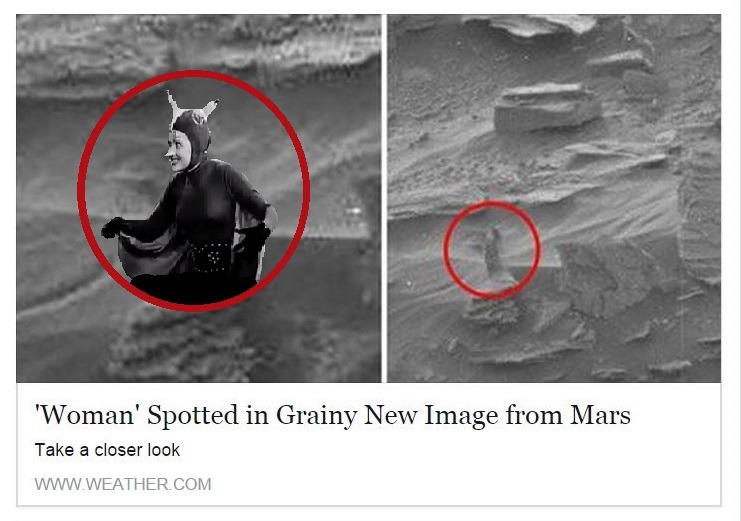
BREAKING NEWS! It appears that it’s a moo moo.
-
“Lucy Goes to Monte Carlo”

(S5;E25 ~ May 7, 1956) Directed by James V. Kern. Written by
Jess Oppenheimer, Madelyn Pugh, Bob Carroll, Jr., Bob Schiller and Bob Weiskopf. Filmed March 29, 1956 at Ren-Mar Studios. Rating: 42.5/66
Synopsis ~ While traveling through the French Riviera, Lucy promises Ricky she won’t step foot inside a casino, but inadvertently gambles her way into a small fortune. When Fred finds a mistake in the band’s books, Ricky suspects that Lucy’s windfall may be from his embezzling.

A month before this episode first aired, Monaco’s most famous residents Grace Kelly and Prince Ranier, married.

A page from the original script that belonged to actor Gordon Clark (Man 1).

This is the last stop on the European Trip and the penultimate episode of season 5.

The night this episode first aired, the Ricardos weren’t the only CBS sitcom characters traveling in Europe. On May 7, 1956 George and Gracie were in Paris!

Oops! When Lucy is looking through her guidebook for a good restaurant, she is actually using a Paris Michelin Guide instead of one for the French Riviera.
In this episode the Ricardos and the Mertzes arrive in Nice, France. However, Monte Carlo is located in the tiny sovereign state of Monaco which is located about 30 minutes east of Nice.

The casino and restaurant Lucy and Ethel visit is at the Hôtel de Paris Monte-Carlo. Both the hotel and the restaurant still exist today. Although it might be assumed that the Ricardos and Mertzes are also staying at the Hôtel de Paris, the use of the establishing shot of the exterior (top left) implies that this was their destination. Also, why would Lucy have to consult a guidebook for a restaurant that was in her own hotel? All we know is that it wherever they are staying is quite elegant.
Making Nice Look Nice

A framed print of The Festival of Love by Jean-Antoine Watteau is seen in the Ricardo’s hotel room.

On the wall of the Mertzes Monte Carlo hotel room is a well known Nicholas Lancret framed print called La Camargo Dancing.

Also seen on the chest of drawers beside the door is a figurine we later see in the Mertzes Connecticut guest house. It is a figurine of a colonial lady, Florence Ceramics’ “Charmaine”.

On the wall of the Ricardo’s Monte Carlo hotel room is a framed print of an antique song sheet reproduced from an original copper plate print by engraver George Bickham. The sheet of music is entitled “Reason for Loving” and is from an antique song book ‘The Musical Entertainer circa 1737 and 1739 Vol II.’

Seen in the Mertzes hotel room are framed cameo miniatures. Similar miniatures are seen in the Mertz living room and in the Ricardo’s apartment following their return home from the trip.

Lucy ‘accidentally’ wins on 26 black!

The props department was a bit more detail oriented, however, when counterfeiting the French francs. They visited The Earl Hays Press on Santa Monica Boulevard in Hollywood to have the money printed for this episode. The business is still in operation today. They have long been the ‘go to’ source for printed props in Hollywood, especially newspapers.

French Francs are no longer legal currency in France. They were phased out from 1998 to 2002 in favor of the Euro. The 875,000 francs that Lucy wins at the casino was worth approximately $250,150 in 1956. In today’s economy that is more than 2 million dollars!

The glamorous dress Lucy is wearing is the same as the one as on Lucille Ball’s commemorative stamp. Mattel also made a Lucy doll dressed in this outfit. This Eloise Jenssen gown was previously seen in “Hollywood Anniversary” when Lucy went to the Mocambo.

Vivian Vance wears fancy clothes in this episode, just like Lucy. This is the beginning of Vivian’s insistence that Ethel look a bit more glamorous on the show. Vivian will get more leeway with her wardrobe and hair in the following season, but she won’t have a ‘glamour clause’ in her actual contract until “The Lucy–Desi Comedy Hour.”

When Fred discovers the ill-gotten fortune is Lucy’s and not Ethel’s, she quips: “He just found out I’m not Bobo Rockefeller!” Barbara Sears “Bobo” Rockefeller was a coal miner’s daughter who married the Standard Oil tycoon Winthrop Rockefeller in 1948 in what was called the Cinderella wedding of the century. The marriage fell apart in two years and in 1954 she received a settlement worth more than $6 million. She told Time magazine: “I intend to be a Mrs. Rockefeller until the day I die.” And so she was.
Who’s Who in the Casino

The casino floor is jammed with extras in formal wear. The gambler in the fez at the roulette table is none other than Bob Carroll, Jr., one of the “I Love Lucy” writers. An insert photo of Carroll was seen in Lucy’s family album in “Lucy Becomes a Sculptress” (S2;E15). He was also seated at a cafe table in
“Paris at Last” (S5;E18) and stood next to Ethel during the departure of the S.S. Constitution in “Bon Voyage” (S5;E13).

Gordon B. Clarke (Man 1) plays the French gambler who asks Lucy what her system to winning is. Wardrobe has dressed Clark in a light colored dinner jacket so he’ll stand out from the crowd when delivering his few lines. In 1939 Clarke was stand-in for Douglas Fairbanks Jr.

Austrian-born Johnny Mylong plays the Casino Manager, who has seemingly changed professions since he was last seen as a gendarme in “Paris at Last” (S5;E18).

Series regular Louis A. Nicoletti plays the croupier who offers Lucy a roll of the dice. She politely declines in her best Franglais: “J’ais do not play-ez.”

Jacques Villon plays the roulette croupier who tells Lucy that she’s won.

Renita Reachi is at the craps table. She was Vivian Vance’s camera and lighting stand-in for “I Love Lucy” and “The Lucy Show.” She was was a costumer and made occasional crowd background appearances in “The Lucy Show”, “Here’s Lucy” and the Lucille Ball films Yours, Mine and Ours (1968) and Mame (1974).
FAST FORWARD!

In 1965, Lucille Ball and her new husband Gary Morton actually stayed at the Hôtel de Paris Monte-Carlo and shot a playful five minute home movie they called “The Chase” which featured Morton pursuing Ball through the streets of the city like a spy thriller. It is included on the “Here’s Lucy” DVD extras.

Just like in this episode of “I Love Lucy” Lucy Carmichael wins big then looses it all in one careless bet when “Lucy Goes to Vegas” in 1965.

In the 1975 special “Lucy Gets Lucky” Lucy Collins finds herself in the casino – this time as a cocktail waitress. Ball’s real-life husband Gary Morton is the gambler.
Lucille Ball the Gambler?

When famed Australian bookmaker Sid Hill passed away in 2016, newspapers reported this conversation with actor Telly Savalas:
“There she is, you might know her from TV – it’s Lucille Ball – and last night one of the starchy supervisors here said to her, ‘Miss Ball you are losing 3 million so far tonight.’ She replied, ‘Sonny, I earn half a million dollars for every show I do in the season and that’s about 40 shows, so you start worrying when I lose 20 million!’“
-
“Lucy Gets Homesick in Italy”

(S5;E22 ~ April 9, 1956) Directed by James V. Kern. Written by
Jess Oppenheimer, Madelyn Pugh, Bob Carroll, Jr., Bob Schiller and Bob Weiskopf. Filmed March 1, 1956 at Ren-Mar Studio. Rating: 48.4/68
Synopsis ~ While traveling through Florence, Lucy starts to miss Little Ricky on his third birthday, so she holds a local birthday party for a shoeshine boy named Giuseppe.

This is the fifth episode of the European Trip (#5), and the first of three episodes set in Italy, with the famous grape stomping episode next.

FRED: “Ricky has gone round to pick up the mail at the American Express Office.”
On the same day Fred mentions American Express, Time Magazine hits the stands with their President, Ralph Reed, on the cover. In 1958, he would make the decision to create the American Express credit card. At the time of the episode, however, the company’s European offices were places were mail could be forwarded and money exchanged.

Lucy and Ricky’s room at the Hotel Grande is on the fourth floor (#47) and is called the bridal suite. The Mertzes’ room is on the fifth floor, and Ethel quips that it must be the “bridal suite for mountain goats.” Funny how there was never an issue with the stairs when the Ricardos lived in apartment 4-A, yet after the same climb in the hotel they were exhausted. As far as we know, 623 East 68th Street was not an elevator building.

While there is (and was in 1956) a Grand Hotel in Florence (above), it is likely the one in the episode was a writer’s contrivance. The old-fashioned pensione is unfavorably compared to the Hotel Astor and the name of famous hotelier Conrad Hilton is invoked.
CLICK HERE TO READ ABOUT ALL THE HOTELS SEEN ON THE SERIES!

Fred claims that he mailed Little Ricky’s birthday presents, to which Ethel replies, “He’ll be lucky if he gets them for his 23rd birthday.” If Little Ricky turned three on April 9, 1956 his 23rd birthday would be in 1976. In real-life, this is the same year Desi Arnaz and Desi Arnaz, Jr. appeared together on “Saturday Night Live.” Gilda Radner played Lucy.

In this episode, the Ricardo’s telephone number is MUrray Hill 5-9099. But in “The Million Dollar Idea” (S3;E13) it is CIrcle 7-2099.

Vicente Padula (Signore Nicoletti, Hotel Manager) makes his second appearance on the show, having just played a drunk in “Paris at Last” (S5;E18). He would go on to play a nightclub owner on the very first episode of “The Lucy–Desi Comedy Hour” titled “Lucy Takes a Cruise to Havana” in 1957. Despite playing an Italian, a Frenchman, and a Cuban, Padula was actually an Argentinian by birth. His character name is Signore Nicoletti, an homage to Louis Nicoletti, who played bit roles on more than a dozen episodes and went on to become assistant director on “The Lucy Show” and “Here’s Lucy."

The woman who hogs the telephone in the hotel lobby was Ida Smeraldo, an actress who was born in Rome, Italy, in 1898, and so spoke fluent Italian.

LUCY (on telephone, with her finger on the button): “Hello, Ben! Well, lightning, huh?”
When Lucy finally gets the phone to herself, the woman hovers in the background, so Lucy pretends to talk to Benjamin Franklin. Lucy surely thinks the woman does not understand English.
Although Franklin never went to Italy, he could read Italian and enjoyed Italian culture. Franklin’s influence on Italy was apparently quite large. He influenced Italian philosophers, printers, diplomats, politicians, artists, and scientists.
It was in Florence that American sculptor Hiram Powers worked on his 1858 statue of Franklin before sending it to the US Capitol. In 1872 in Rome a library of Franklin’s works was established. In 1881 there was a short-lived monthly publication bearing Franklin’s name published in Milan. Between 1884 and 1887 a Typografia Frankliania flourished in Rome. In 1882 Franklin’s name was attached to an almanac (not unlike his own “Poor Richard’s Almanac” in the US) published in Parma. And, as unlikely as it seems, parents were baptizing their children under the unorthodox name of Franklin! So… Lucy was taking a greater chance than she realized.

Bart Braverman (Giuseppe) was born as Bartley Louis Braverman in Los Angeles in 1946. This was his fifth TV role although he used the name Bart Bradley until 1962.

He is today best known for playing Bobby ‘Binzer’ Borso on "Vega$” (1978-81). He suffered from epilepsy with multiple seizures daily which forced him to quit acting on live television and on stage. In 2005 Braverman had brain surgery that has completely cured his condition.

The little girl Theresa (“She’s-a her birthday, too!”) was played by Kathleen Mazolo (nee Mazzola). This is her one and only screen credit of record.

LUCY (on telephone): “Mother? This is Lucy. I’m calling from Florence.”
MRS. MCGILLICUDDY (sleepy): “Oh. Hello, Florence.”This is the last time that Little Ricky will be played by the Mayer Twins, Michael and Joseph. When next we see the character he will be played by Keith Thibodeaux (aka Richard Keith) and his age will be advanced from 3 to nearly 6 in just five months time! The next and last time we see Lucy’s mother, Mrs. McGillicuddy (Kathryn Card) will be briefly in the penultimate episode of “The Lucy-Desi Comedy Hour” in late 1959.
Mrs. Trumbull is mentioned but does not appear on screen. Elizabeth Patterson would play the character in just one more episode. Mrs. Trumbull sends a message to Fred that it costs $118 to repair the furnace. Adjusted for the cost of living, that would be nearly $1,100 today!

The plot ends with the children singing a long-distance “Happy Birthday” to Little Ricky in Italian over the telephone. Despite Lucy’s sometimes outrageous behavior, she is still a mother who misses her child.

At the very end of the episode, after the final credits, announcer Johnny Jacobs says “Read all about Lucy and Desi in the current issue of Look Magazine.” Lucille Ball made the cover of Look nine times during from 1937 to 1971, when the magazine printed its final issue. The magazine appeared on camera several times during the series.
TO FIND OUT ABOUT ALL THE MAGAZINES ON THE SERIES, CLICK HERE!
FAST FORWARD!

In a 1963 episode of “The Lucy Show”, Lucy and Viv also throw a birthday party for children they don’t know. This time, however, they are getting paid to do it!

In 1999, Bart Braverman (center) attended the Loving Lucy Convention. Also on the panel were the Bordon Twins (Teensy and Weensy), Keith Thibodeaux (Little Ricky), and Doris Singleton (Caroline Appleby).

All Lucy’s sitcoms were aired internationally – including in Italy!
-
Subscribe
Subscribed
Already have a WordPress.com account? Log in now.
 Papermoon Loves Lucy