-
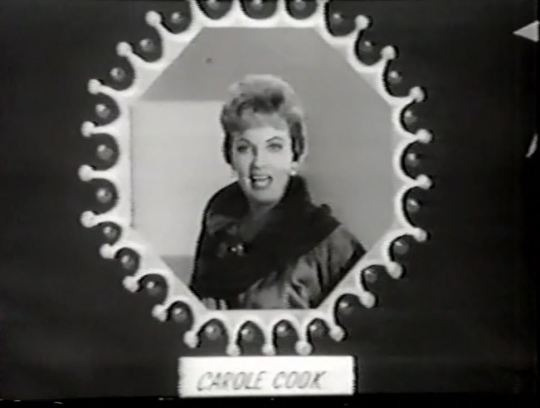
RIP CAROLE COOK
1924-2023
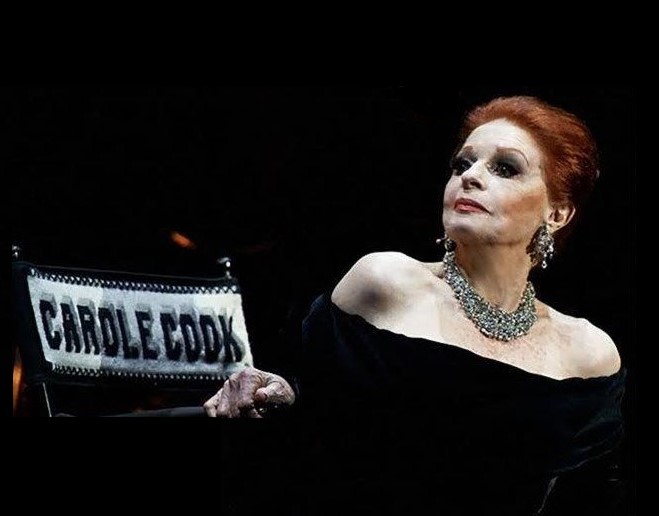
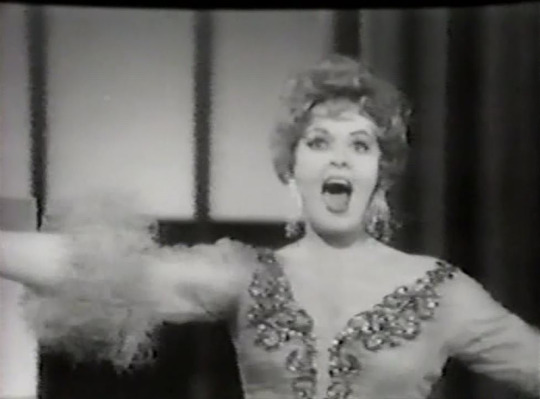
Carole Cook was born Mildred Frances Cook in Abilene, Texas. She was a close friend and protégé of Lucille Ball, and lived in Ball’s home early in her career. Ball was the matron of honor at Cook’s 1964 wedding to actor Tom Troupe. Ball is credited for suggesting Cook change her stage name from Mildred Frances to Carole, in honor of Ball’s close friend Carole Lombard. During her long career, she was sometimes ghost singer for her mentor, Lucille Ball.
Cook also worked on stage, appearing in the original 1980 production of 42nd Street. She was well-known for her cabret act. Prior to that she appeared in the Bernard Slate play Romantic Comedy (1979).
Cook was a meember of the Desilu Playhouse and performed in their 1959 Christmas Revue.

In January 1965, Cook played “Password” with her friend Lucille Ball. They played again in September 1966.
Her second motion picture was the hit The Incredible Mr. Lippett (1964) playing Bessie, wife of the title character played by Don Knotts.
THE LUCY SHOW
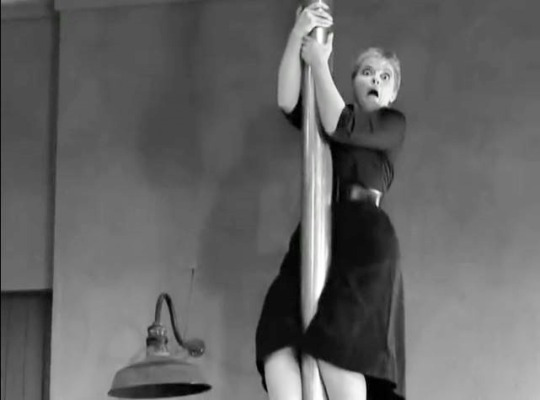
Cook made four appearances playing Thelma Green on “The Lucy Show,” and played Mrs. Valance in three episodes. She played a variety of other characters in 11 others.
As Thelma Green when “Lucy and Viv Are Volunteer Firemen” (1963)
As Thelma Green (with Mary Jane Croft) in “Lucy Drives a Dump Truck” (1963)
As Thelma Green (with Dorothy Konrad) in “Lucy’s Barbershop Quartet” (1963)

As Milroy University alumnus Betty Jo Hansen (with Lyle Talbot) in “Lucy’s College Reunion” (1963)
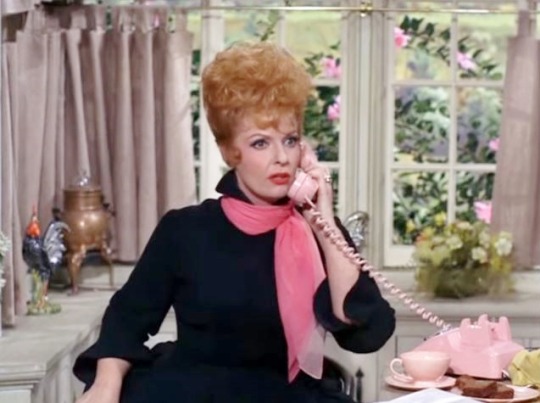
As Thelma Green when “Lucy Takes a Job at the Bank” (1964)
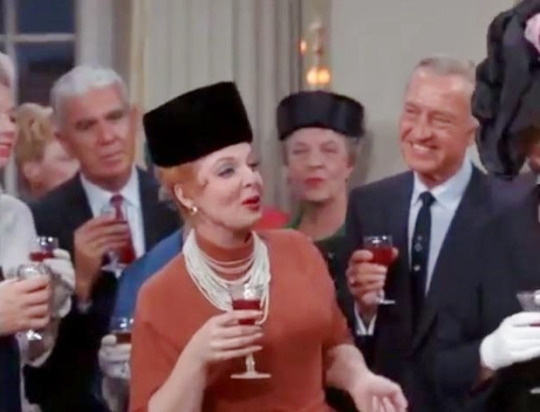
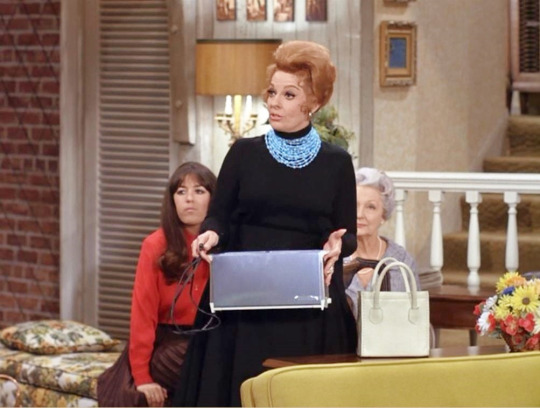
As Mrs. Valance, Society Editor, at a wine tasting in “Lucy and the Countess” (1965)
As Thelma Green, judging Lucy’s pie, when “Lucy Enters a Baking Contest” (1964)

As Mrs. Valance (with Ann Sothern) in “My Fair Lucy” (1965)

As Mrs. Valance in “Lucy the Stockholder” (1965)
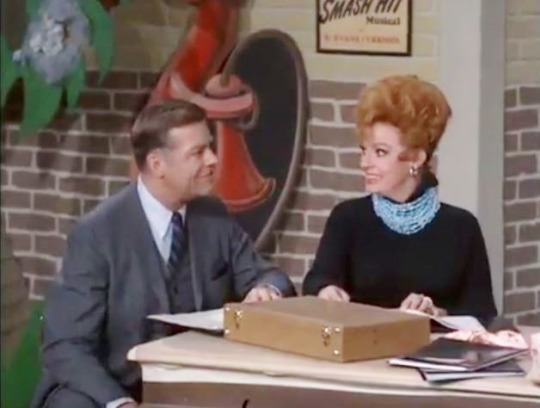
As Mrs. Baldwin (with Max Showalter), board member of the Danfield Community Players, in “Lucy and Arthur Godfrey” (1965)
Gambling (with Douglas Deane and Bennett Green) when “Lucy Goes To Vegas” (1965)
As Aunt Carrie, a resident of the small town of Bancroft when “Lucy Puts Main Street on the Map” (1967)
As Effie Higgins, wife of Homer, in “Lucy and Tennessee Ernie Ford” (1967)
As a piano bar patron (with George DeNormand) in “Lucy and Phil Harris” (1968)
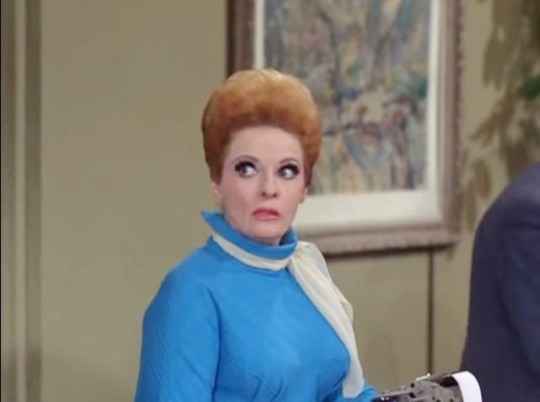
As bank teller Gladys in “Lucy and Sid Caesar” (1968), her final series appearance
HERE’S LUCY

Cook provided the introduction for one of the episodes on the DVD release.
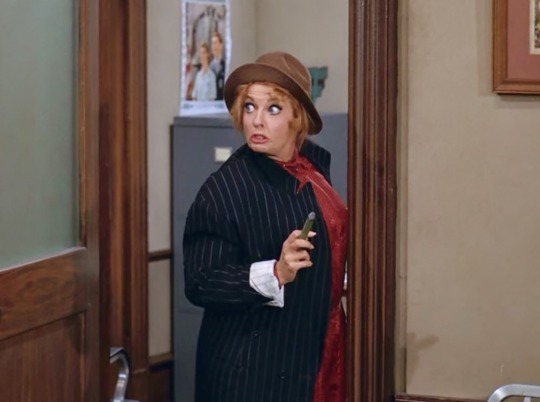
As notorious crime boss Ma Parker in “Lucy and Ma Parker” (1970)

In the audience of the “Carol Burnett Show” in “Lucy and Carol Burnett” (1969)

As Harry’s old girlfriend Lillian Rylander in “Lucy the Part-Time Wife” (1970)
As Mrs. Sheila Casten, who has trouble with her toaster, in “Lucy the Crusader” (1970)
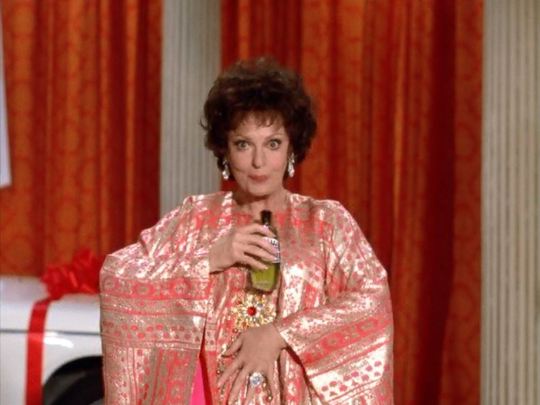
As Cynthia, contestant in the Lucille Ball Look-Alike Contest, when “Lucy Carter Meets Lucille Ball” (1974). This was Cook’s final series appearance.
CODA
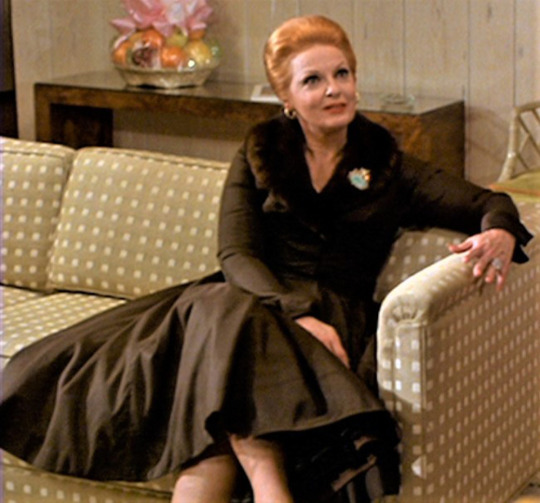
On a 1974 episode of “Maude” starring Bea Arthur and as Mrs. Dobrun in the 1980 film American Gigolo starring Richard Gere, Cook wore a dress gifted to her by Lucille Ball. Ball had worn the dress as Lucy Ricardo in “The Celebrity Next Door” (1957) starring Tallulah Bankhead. It was later sold at auction.
Cook was survived by her husband, Tom Troupe. She died in Beverly Hills, just days before her 99th birthday.
-
HERE COMES THE JUDGE!
Oyez! Oyez! All Rise for the Honorable Jurists of the Lucyverse!
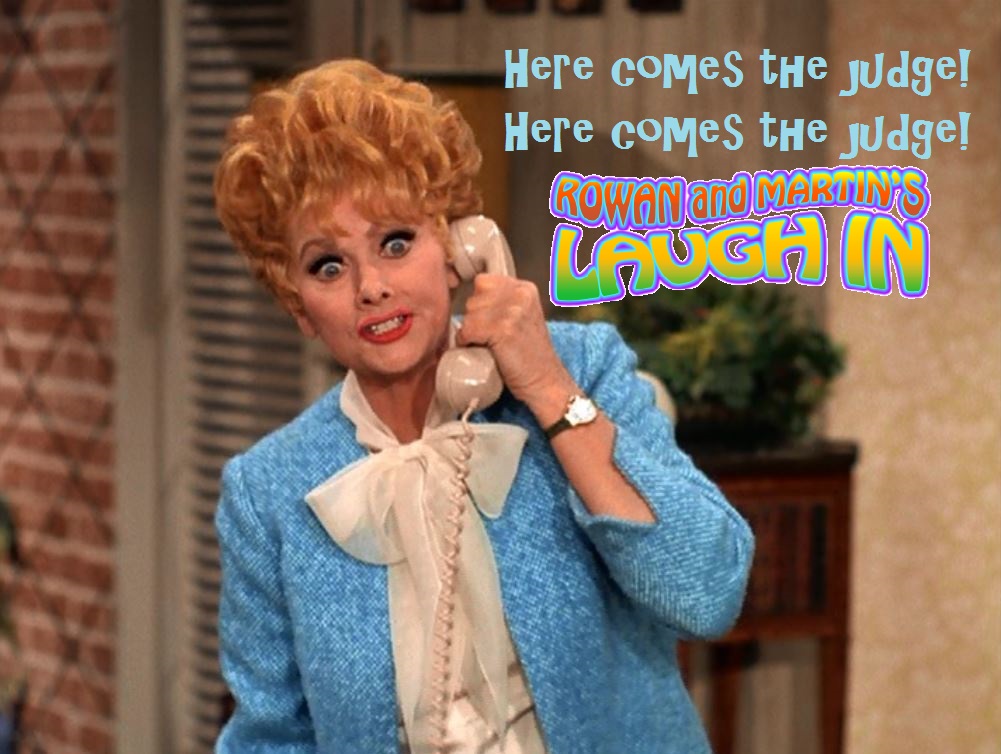
“Lucy the Conclusion Jumper” (1968)
APPROACH THE BENCH

Clarence Wilson played a Judge in one of Lucille Ball’s early films, Blood Money (1933). It was the first of three of his Judge roles.

C. Montague Shaw played the Judge in Jealousy (1934), a film in which Lucille Ball has a bit part. He also played a Judge (not the legal kind) in 1935′s Carnival, also with Ball, as well as eight more screen Judges!

Lucille Ball played a Beautician and Edward LeSaint played a Judge (both uncredited) in Fugitve Lady (1934). Of LeSaint’s more than 325 screen credits, more than 60 were as Judges; nine in 1939 alone. They included the cult classic Reefer Madness (1936) and a film titled A Woman is the Judge (1939).

Etienne Giradot played Judge Peterby and Lucille Ball was an uncredited chorine in Hooray for Love (1935). He went on to play Judges in two more films.

Howard Hickman played 28 Judges from 1934 to 1941, including Judge Jonathan Travers in the Lucille Ball film Next Time I Marry (1938).

In 1940, Lucy and Desi’s elopement required two Judges! Probate Judge Harold L. Knapp waived the five-day wait required by Connecticut law, and Justice of the Peace John P. O’Brien performed the ceremony at the Byram River Beagle Club at noon on Saturday, November 30, 1940. Some aspects of the event were fictionalized on “I Love Lucy” in 1952 with Irving Bacon playing Justice of the Peace Mr. Willoughby.
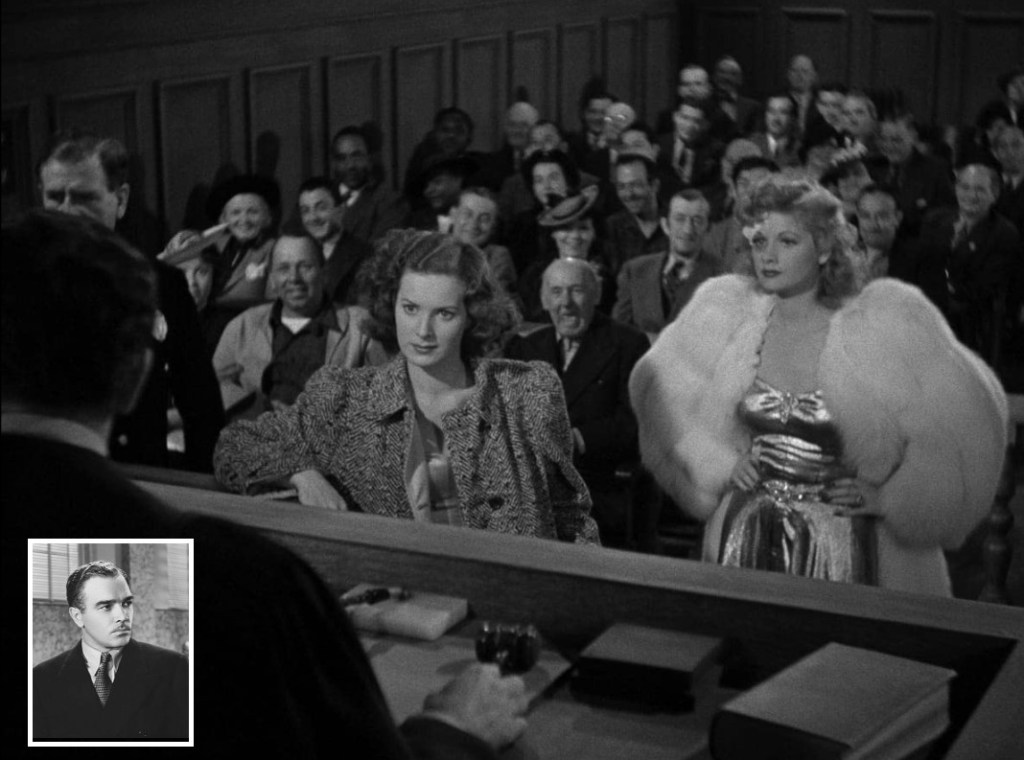
Walter Abel played the Judge in Dance, Girl, Dance (1940). In 1935, he was seen in the film The Three Musketeers with Lucille Ball. Abel also played a Judge in his final television role in 1976.

In Valley of the Sun (1942), Lucille Ball played Christine Larson and Billy Gilbert played Judge Homer Burnaby. Gilbert was also seen with Ball in I Dream Too Much (1938) and Joy of Living (1938).

Also in 1942, Ball played the lead in The Big Street in which Julius Tannen played Judge Bamberger. He also played a Judge in The Lady in Question (1940).
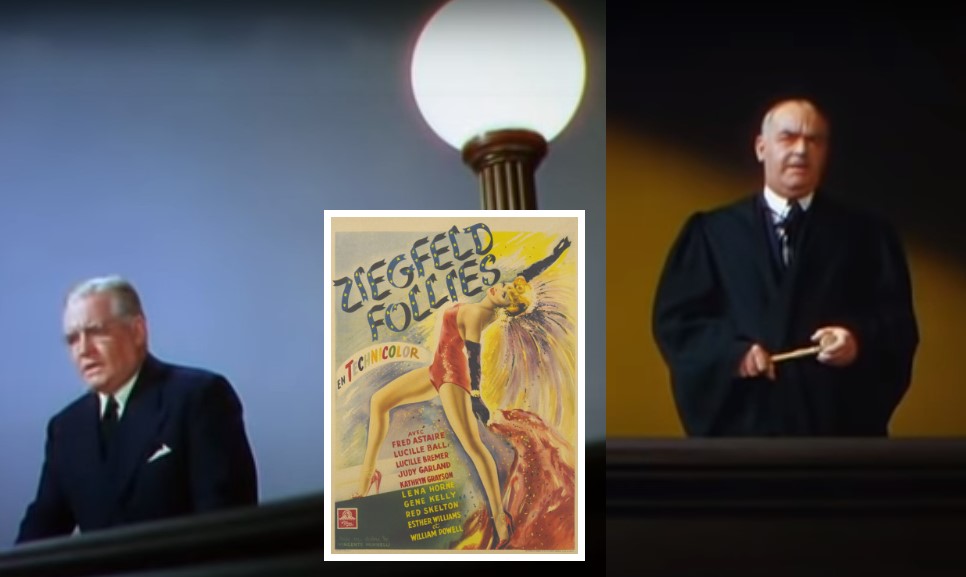
There were two Judges in the Lucille Ball film Ziegfeld Follies (1945), both in the segment titled “Pay the Two Dollars”. Judge #1 was played by Joseph Crehan, who later played the Detective in “The Great Train Robbery,” a 1955 episode of “I Love Lucy.” Of his 382 film and TV credits, more than a dozen were as Judges. Judge #2 was played by William B. Davidson, who was also seen with Ball in Roberta (1944) and Lover Come Back (1946). Coincidentally, Davidson’s final film was titled The Judge Steps Out (1948). He played a Judge in five films. One of his early films was titled Good Morning Judge (1928). The two Ziefeld Follies Judges do not appear in the same segment as Lucille Ball, “Here’s To The Ladies.”

Walter Soldering and Joel Friedkin played Justices of the Peace (a Judge with limited jurisdiction, generally with the ability to perform marriages) in the Lucille Ball / Van Johnson film Easy To Wed (1946). Friedkin played a JOP in three other films and a Judge in eight! Soldering played four JOPs and six Judges.
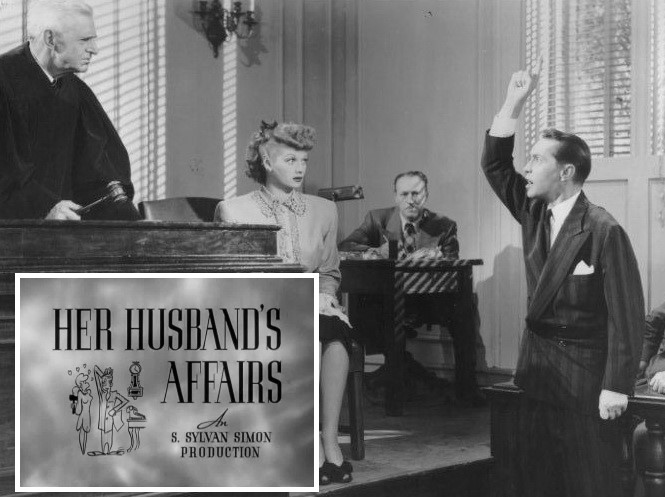
Selmer Jackson played the Judge in the Lucille Ball / Franchot Tone film Her Husband’s Affairs (1947). His first time playing a Judge was in the Jimmy Durante film Carnival (1935), in which Lucille Ball played a nurse. Twenty more Judge roles followed, including Mighty Joe Young (1949). Ball did the script for radio in 1949, although the actor playing the Judge went uncredited and unidentified.
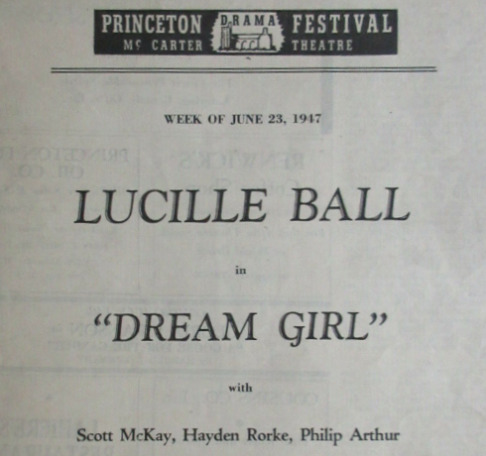
Edward Forbes played the Judge in Lucille Ball’s tour of the stage play Dream Girl (1947-48) which began in Princeton, New Jersey.
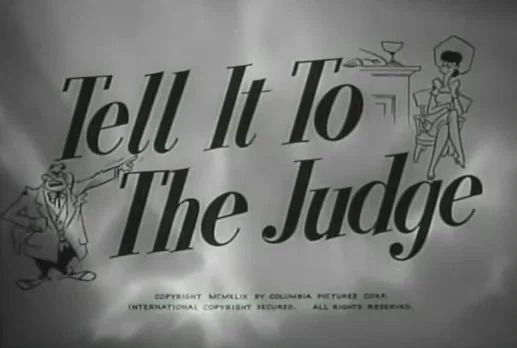
The film What My Next Husband Will Be was announced in June 1948 as a vehicle for Lucille Ball. It wasn’t long before Ball had been assigned to Miss Grant Takes Richmond (see below) and the role was recast with Rosalind Russell. The title was changed to Tell It To The Judge (1949) and Russell’s character was changed from a Broadway star, to a Federal Judge.

George Cleveland played Judge Ben Grant in Miss Grant Takes Richmond (1949) starring Lucille Ball and William Holden. The Judge is the uncle of Ellen Grant, the title character played by Lucy. This was Cleveland’s fifth film with Lucille Ball in four years. In 1954, Cleveland played a Judge on TV’s “Death Valley Days.”
IN RECESS
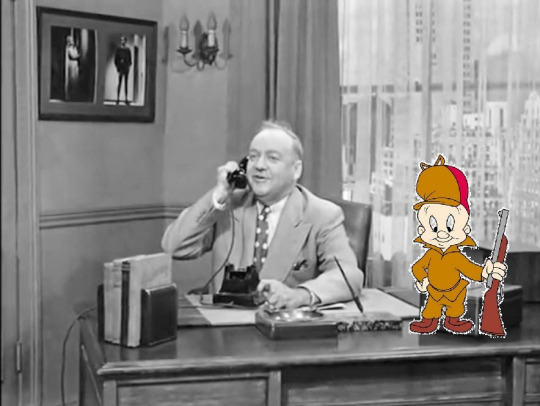
When Ball did Miss Grant on radio in 1950, the role of Judge Grant was taken by Arthur Q. Bryan, best known as the voice of Elmer Fudd. Bryan played Mr. Chambers, new owner of the Tropicana in “Ricky Loses His Voice” (1952).
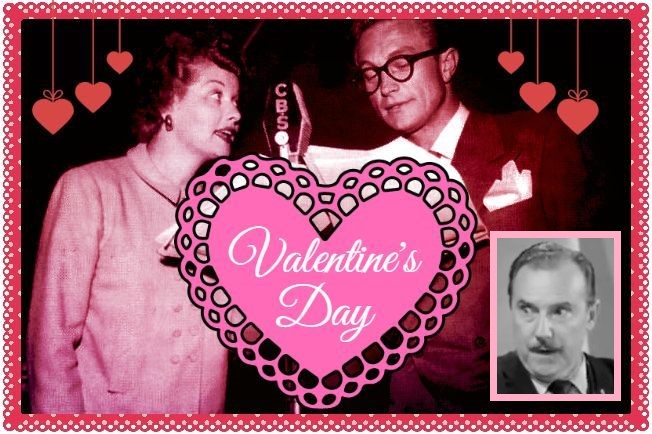
Gale Gordon played Judge Skinner in the My Favorite Husband episode “Valentine’s Day” broadcast on February 11, 1949 on CBS Radio.
JUDGE: “There is no problem too big to solve. Into every life a little rain must fall. Every cloud has a silver lining, and it is always darkest before the dawn.”
LIZ: “Well now that we’ve had the weather report, let’s get on with the case!”
Lucy ended up appearing before another Judge played by Gale Gordon on “The Lucy-Desi Comedy Hour” (see below).

Alan Reed played Harry, the Judge in the My Favorite Husband episode “Television” broadcast on CBS Radio on June 17, 1949. Reed was best known as the voice of Fred Flintsone, but also appeared as a cafe owner in “Lucy Visits the White House” (1963).
FINAL ARGUMENTS
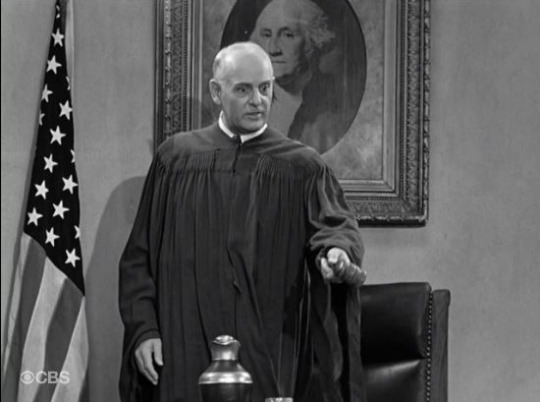
“Television” was the basis for the “I Love Lucy” episode “The Courtroom” (1952), in which the Judge was played by Moroni Olsen.
LUCY: “Well, Your Honor, now that I think of it, maybe it was Ricky who took the back off the set.”
JUDGE: “Really?” RICKY: “Well, now that I think of it…yeah.”
Olsen played a Judge in three other films.

Fay Roop played a Judge in The Long, Long Trailer (1954). He also played a Judge on “Perry Mason”, “The Twilight Zone”, and several other TV shows and films.

Jorge Treviño played a Judge in the very first episode of “The Lucy-Desi Comedy Hour” “Lucy Takes a Cruise to Havana” (1957). Treviño had played Ricky’s Uncle Alberto when “The Ricardos Visit Cuba” (1956).

Gale Gordon played Judge Phillips in “Lucy Makes Room for Danny” (1958), an episode of “The Lucy-Desi Comedy Hour” which was a cross-over with “Make Room for Daddy.”

Ernest Sarracino played the Danfield Judge in “Lucy and the Runaway Butterfly” (1963). After Lucy races through his courtroom with a butterfly net, the Judge explodes at the Prosecuting Attorney.
JUDGE: “Mr. McClay! This is nothing more than a cheap theatrical stunt designed to prejudice the jury! Remove this woman from the courtroom! Order in the court!” (Lucy’s net lands over the Judge’s head)
In 1966 he played an Italian Judge on “The Red Skelton Show.” He returned for two episodes of “Here’s Lucy.”
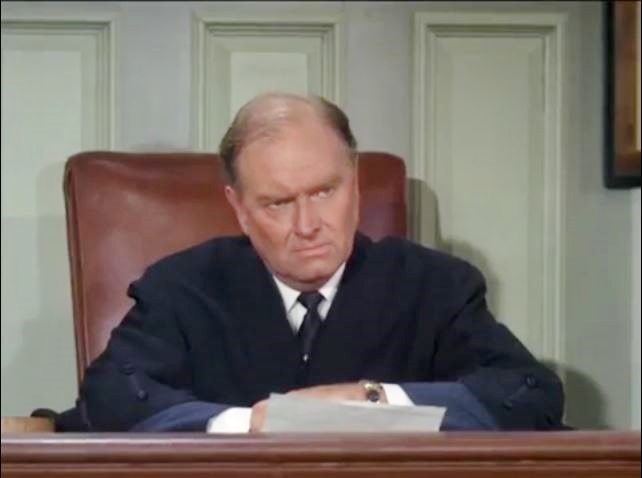
Busy character actor Parley Baer played humorless Judge Jack D. Kasten in “Lucy the Meter Maid” (1964). After Lucy attempt to re-enact the circumstance of ticketing Viv’s car, the Judge stops her mid-testimony.
JUDGE KASTEN: “Officer Carmichael, will you please explain the meaning of this travesty?”
LUCY: “With the court’s indulgence, I’m trying to establish a time element.”
Baer played MGM’s Mr. Reilly in “Ricky Needs an Agent” (1955) and the furniture salesman Mr. Perry in “Lucy Gets Chummy with the Neighbors” (1957). This is the second of his five appearances on “The Lucy Show,” including another Judge! He also made two appearances on “Here’s Lucy.” He played a Judge on “The Joey Bishop Show” (1964) and “My Living Doll” (1965), both filmed at Desilu Studios. In addtion, he played a Judge on a dozen other film and TV shows.

Harry Holcombe played a Judge in Yours, Mine and Ours (1968) starring Lucille Ball and Henry Fonda. Holcombe played Judges in 18 film and TV shows, including two episodes of “Perry Mason.” He did background work on “Here’s Lucy,” including the series finale, “Lucy Fights the System” (1974).
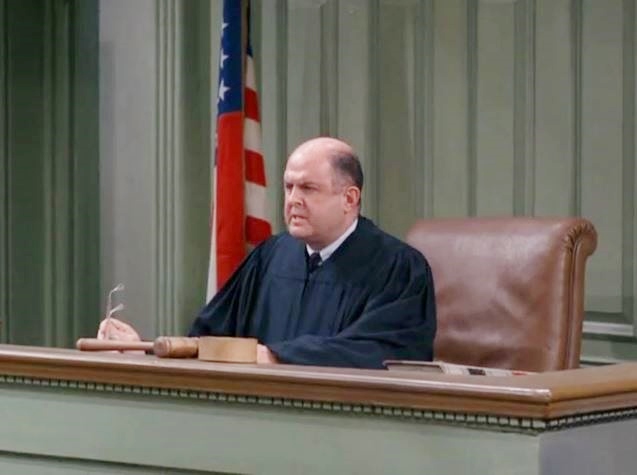
John McGiver played the Judge in “Lucy is Her Own Lawyer” (1964).
JUDGE: “Mrs. Carmichael. Is it absolutely necessary to have this incessant jumping back and forth? You’re making the Bench nervous.”
McGiver previously appeared on the series in “Lucy is a Kangaroo for a Day” (1962). He appeared opposite Lucille Ball as Mr. Babcock in the movie musical Mame (1974), a film that also featured a Judge (see below). He played five other Judges in films and TV shows, including Judge Thatcher in the 1973 musical Tom Sawyer.

Sid Gould played the Camden Cove Judge in “Lucy and the Soap Opera” (1966).
JUDGE: “Order in the court!”
LUCY: “Hear me out, Your Honor!”
MR. SHANNON: “Hear her out? Throw her out!”
A frequent supporting player on “The Lucy Show” and “Here’s Lucy,” Gould was Lucille Ball’s cousin by marriage to Gary Morton.

Parley Baer returned to play another Judge (this time with eyeglasses) when “Lucy Sues Mooney” in 1967.
JUDGE: “Ladies and gentlemen of the jury. Any lady who would admit to being over thirty must be telling the truth.”
MR. MOONEY: “She wouldn’t be telling the truth if she admitted to being over forty!”
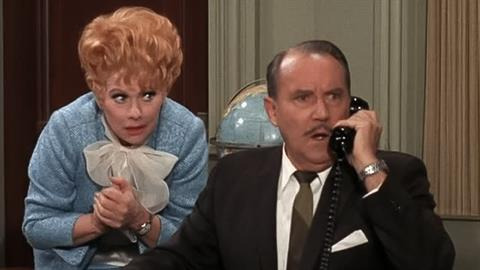
In “Lucy the Conclusion Jumper” (1968), Kim and her classmate Don are talking about keeping a household budget and visiting a city hall Judge for a school project. Lucy jumps to the conclusion they are going to get married! Lucy urges Harry to meet her at the Marriage License Office because she thinks Kim is about to elope with the supermarket box boy. When Harry hestitates, she says:
LUCY: “Well, she’s not going down there just to sing ‘Here comes the Judge! Here comes the Judge!’”

Two years later, in “Lucy and Sammy Davis Jr.” (1970), Sammy says his producer loves to sue and that his favorite words are…
“Here comes the Judge! Here comes the Judge!”
This is a catch-phrase popularized on “Rowan and Martin’s Laugh-In”, first spoken by comic Pigmeat Markham, and later by Davis. The NBC show’s second half hour aired opposite “Here’s Lucy.”
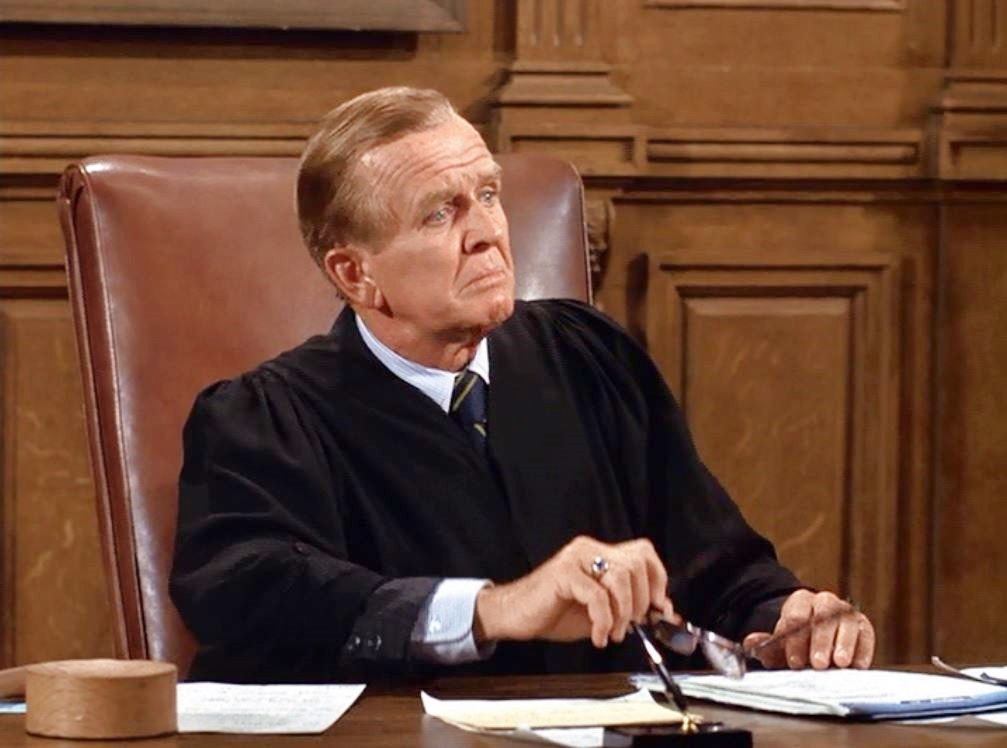
Hayden Rorke plays Judge Gibson in “Lucy and the Raffle” (1971). Coincidentally, the episode also features Gale Gordon and Sid Gould, former Lucyverse Judges. Rorke appeared on stage with Ball in Dream Girl (1947-48), a show which also featured a Judge (see above). He appeared on “I Love Lucy” as one of “The New Neighbors” (1952). Rorke was best known for his role as Dr. Bellows on “I Dream of Jeannie”.
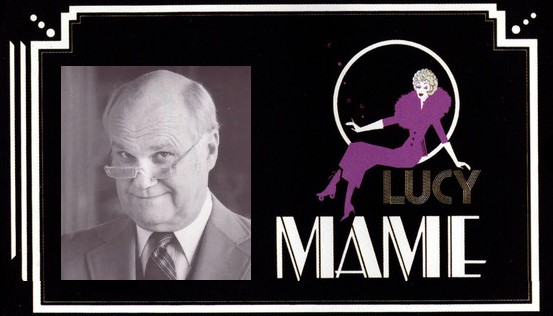
John Wheeler played Judge Bregoff in Lucille Ball’s Mame (1974). In 1991, he played Judge Ciglio in the TV movie Runaway Father. The film also featured former Lucy Judge John McGiver (see above) as lawyer Babcock.
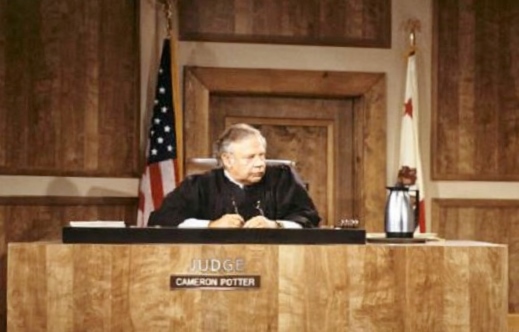
Lucy’s final jurist was Allan Rich as Judge Cameron Potter in “Lucy, Legal Eagle” (1986). This was the penultimate aired episode of a Lucille Ball sitcom. Rich started playing Judges on TV in 1976. In 1983, he played four TV Judges, including several appearances on “Hill Street Blues” and “Gimme A Break”. His first big screen Judge was in 1997′s Armistad. In all, Rich donned Judges robes two dozen times!
COURT ADJOURNED!
-
LINE!!!
Lucille Ball: Scripts, Cue Cards, and Teleprompters
As a film star, Lucille Ball only had to memorize dialogue in short, bite-sized chunks. On radio, Lucille and her cast-mates read from scripts. But on television, in a realistic situation comedy, Ball needed to memorize a full thirty minute script a week!
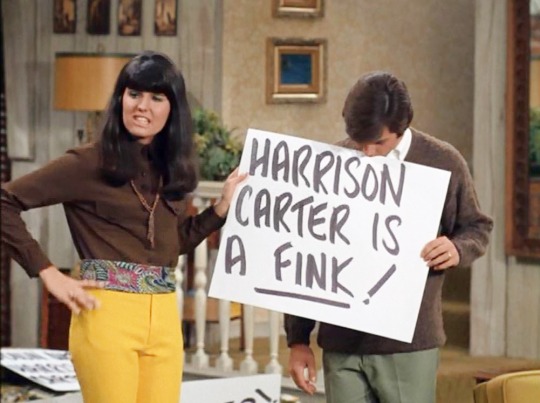
“Lucy Goes on Strike” (1969)
CUE CARDS & PROMPTERS & SCRIPT SLIPS!
Credit for developing the cue card (sometimes derisively called ‘idiot cards’) is genereally given to John Barrymore, who had them tucked in out-of-the-way places during his stage performances in the 1930s.

Ed Wynn placed cue cards in the orchestra pit when he worked in vaudeville, then brought the practice to television with “The Ed Wynn Show” (1949-50), on which Lucille Ball got her first taste of the new medium, and was introduced to the concept of cue cards.
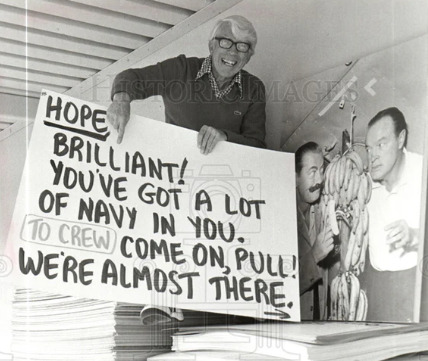
Wynn’s cards were prepared by Barney McNulty (1923-2000), known as the ‘King of Cue Cards’. He went on to form a company named Ad-Libs, a cue card company whose clients included many early TV stars, including Lucille Ball. McNulty later praised Ball for her cue card savvy:
“Hardly anyone realizes that the madcap redhead has cue cards on the set!”
McNulty claimed to have flipped cards for the “I Love Lucy” pilot episode. But “I Love Lucy” was quite different from shows starring Milton Berle, Ed Wynn, and Bob Hope, who did not use the convention of the fourth wall. Ball and her cast were performing a realistic teleplay that required them to make eye contact with their fellow actors, not look to cue cards. For this reason, cue cards were virtually unknown during “I Love Lucy.” Of course, there were exceptions…
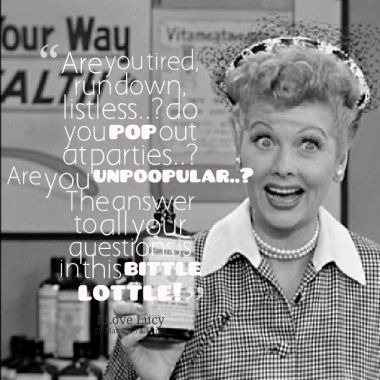
For her Vitameatavegamin spiel in “Lucy Does A TV Commercial” (1952) every slurred word and syllable was written in the script. To be letter perfect, and just to be on the safe side, Ball had cue cards set up in case she forgot her lines. Performing physical comedy in front of a live audience gets less laughs after the first take. Plus, re-takes were time consuming and expensive. It was hardly necessary. Lucy didn’t miss a beat and nailed it in one take.

On December 14, 1953, Lucille Ball and Desi Arnaz were the first to use a new teleprompting system developed by their producer, Jess Oppenheimer, although it was not the first in-camera system. Fred Barton had developed one as early as early as 1948. A forerunner to the modern video teleprompter, Oppenheimer’s “through the roll system” was later granted a US patent.

Lucy and Desi did not use it for the main show, which that night was “Lucy Has Her Eyes Examined”. Oppenheimer did not like that it obstructed the view of the live audience, but it was used for the Philip Morris commercials, which were filmed without an audience. The sponsors wanted their message clearly communicated, so it was important that the script be delivered verbatim. With the memorization of a weekly script, Lucy and Desi did not need the burdon of also memorizing commercial copy.

In “Lucy’s Mother-in-Law” (1954) the Ricardo closet door is wide open and it looks like there is a cardboard box of used cue cards stored in there! Even if they weren’t used on “I Love Lucy,” they might have been scared up from the Desilu prop room to “dress” the closet.

Bob Hope was notorious for his regular use of cue cards. When he guest-starred as himself on “I Love Lucy” in 1956, he read his lines from cue cards. It was prop man Jerry Miggins who was in charge of holding them for Hope.
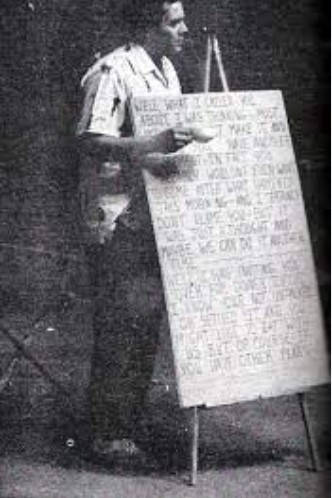
When “I Love Lucy” morphed into its hour-long format, cue cards were sometimes used, especially when the tensions of a failing marriage and running Desilu took Lucy and Desi’s time away from script memorization and busy guest stars did not have the time for extensive rehearsals. The above photo was taken during rehearsals for “The Star Next Door” (1957).

When Lucy launched “The Lucy Show” in 1962, she was also trying to run Desilu. Along with her adminsitrative duties, she still had to find time to learn a 30-minute script every week. She was also a newleywed and mother of two children, so time was precious.

Tony Mendez, who famously flipped cards for David Letterman and often appeared on camera as well, was interviewed by New York Magazine in 2001 and recalled how he got started in the business:
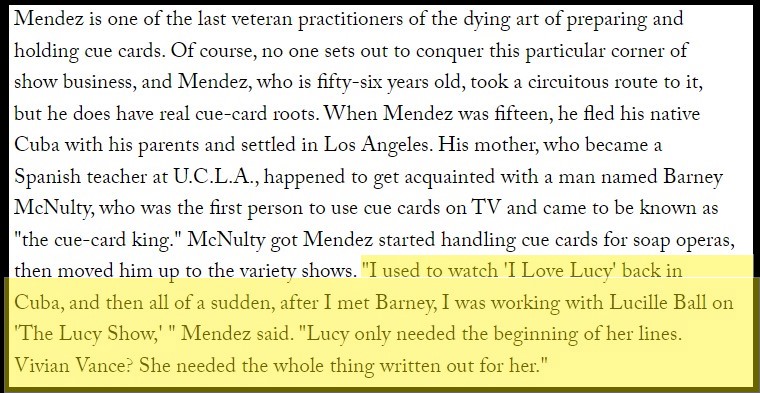
It seems that Lucille Ball was not the only one relying on cue cards. According to Mendez, Lucy merely needed a prompt, but Vivian needed the entire line!
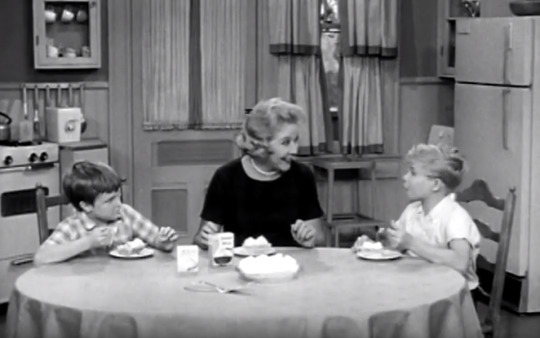
In fact, the DVD extras for “The Lucy Show: Season One” include footage of Vivian using cue dards to do the show’s in-character commercials. They are positioned just behind Ralph Hart’s head!

Lucy was was still adamant that her cast try and memorize their lines. When Charles Lane (banker Barndsdahl) stumbled over his dialogue, impatient Lucy used this as a reason to replace him. In reality, this may have been just the “forpublication” story of what was actually Ball’s long-held desire to cast Gale Gordon. When the series began, Gordon was under contract to “Dennis the Menace” and couldn’t commit to Lucy. As soon as he became available, however, Lucy was not about to het him get away again – even if it meant dismissing Lane.
By “Here’s Lucy” – Ball’s third sitcom – she was using cue cards more often than not – espeically if the episode demanded a lot of rehearsal of music and dance.
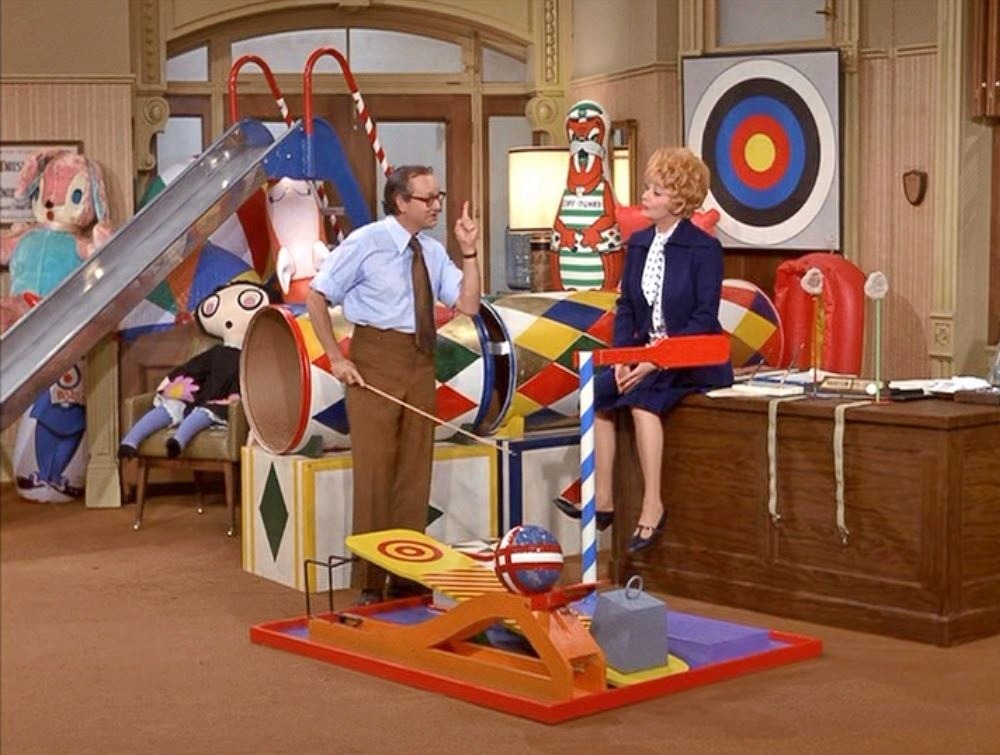
Tommy Tucker was the name of the “Here’s Lucy” cue card coordinator. Tucker and Lucy enjoyed playing word games together during lulls in shooting. As a tribute to him, the toy vendor played by Wally Cox in “Lucy Sublets the Office” (1972) was named Tommy Tucker. Tucker was interviewed for the short film “Lucy Meets The Burtons: A Comic Gem” which is included on the “Here’s Lucy: Season 3″ DVD.

Coincidentally, one of the guest actors in this episode was Richard Deacon. His eyes can frequently be seen looking at the cue cards.

Another guest actor who’s eyes were usually seraching for the cue cards is Lyle Talbot, who played Harry’s lawyer in “Lucy Takes Over” (1970).
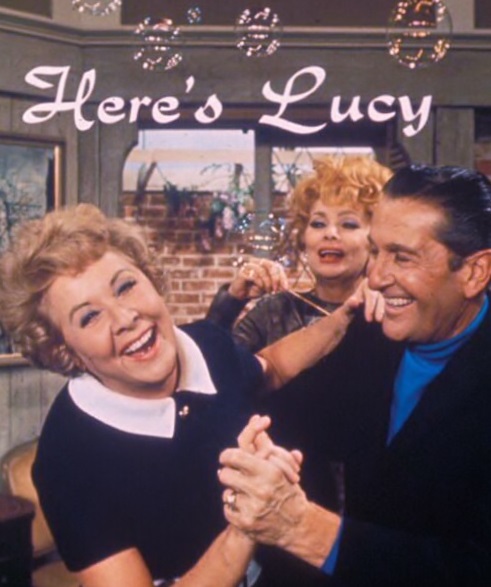
Not being an actor, Lawrence Welk’s eyes often distractingly glance over at the cue cards for his lines during his appearance on “Here’s Lucy” (1970). He smiles at his own jokes, and anticipates rather than reacts.
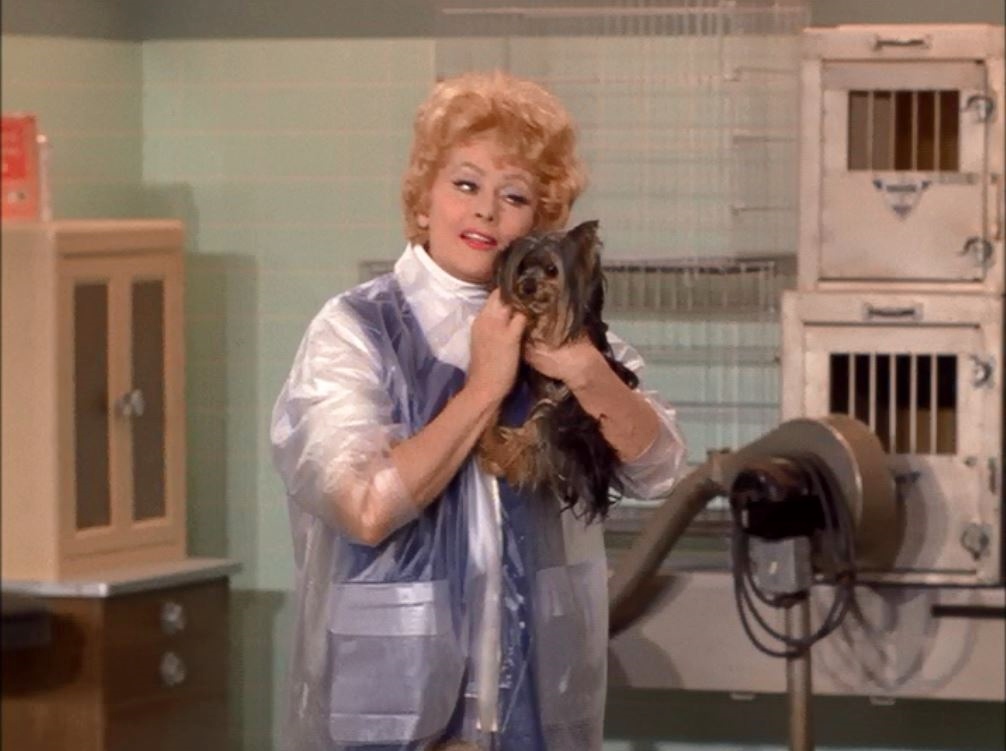
The webiste ‘Everything Lucy’ points to “The Bow-Wow Boutique” (1973) as when Lucille Ball started to rely almost exclusively on cue cards. Ball said that one of the hardest things to do was to erase the previous week’s script from her mind to make way for a new one. After all, she was walking around the same set every week, having dialogue with the same people.

Filming a promotional spot with Bobe Hope, Ball squints at distant cue cards and quips,
“Well, let’s use the bigger ones. I can see the little ones, but why the hell not use the bigger ones?”
CHEAT SHEETS, SCRIPTS & CUES

Sometimes, a script – or a few pages of script – made it onto the set. A close-up of the Swiss cheese sandwich in “First Stop” (1955) shows a couple of pages of script on the table. A few lines have even been crossed out!

In “Lucy in the Music World” (1965) the verbose but funny album names were taped to the back of the record sleeves!
- “He Wears a Hubcap for a Halo” (about a teenage girl whose boyfriend got run over by a police car)
- “I’ve Got Tears in My Ears from Lying on My Back in My Bed While I’m Crying Over You”
- “I Lost You to the Arms of Another” (about a girl whose boyfriend goes skin diving and gets tangled up with an octopus
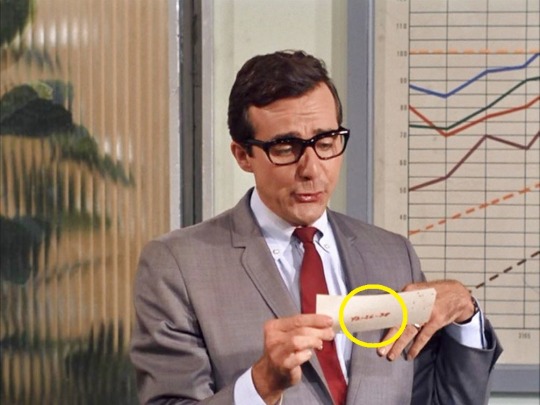
In “Lucy, the Matchmaker” (1968) Mr. Morton (Dick Patterson) reads Harry’s computer dating punch card. His match’s number is written on the card in red marker and the ink has bled through to the other side! Perhaps Patterson had trouble memorizing the number correctly?
PROTESTING CUE CARDS

Sometimes the materials that were used to create the cue cards were also used for other purposes. They were the perfect size for protest signs when “Lucy Goes on Strike” (1969).
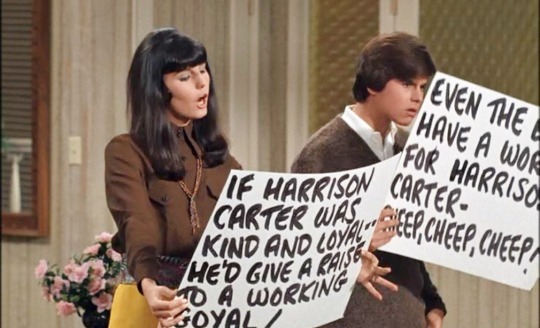
The distinctive handwriting in bold black ink was a hallmark of cue card writers.
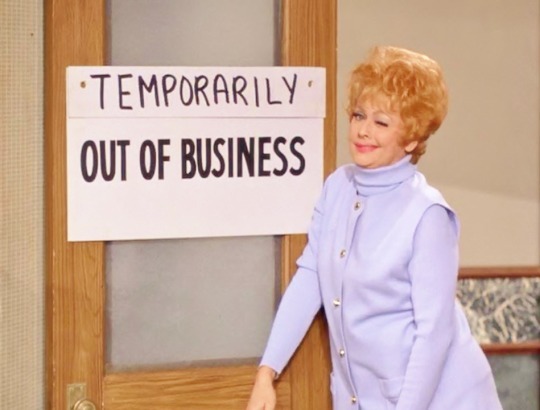
At the end of season five of “Here’s Lucy” in 1973, Ball had decided to end the series. She filmed an ending to the final episode where she hangs an “Out of Business” sign on the door of the Unique Employment Agency. But at the last moment, CBS convinced her to do a sixth season, so the ending moment was re-filmed with Lucy tacking a sign reading “Temporarily” above the “Out of Business” sign. The addional sign was obviously made from the same cardboard used for the cue cards – and by the same hand.

By the season six finale of “Here’s Lucy,” “Lucy Fights The System” in 1974, it was obvious that Ball was nearly completely dependent on the cue cards. Luckily, the storyline was basically carried by Lucie Arnaz, and Lucy’s scenes were mainly sitting at her desk.

During her final series, “Life With Lucy” (1986), it was well known that Lucille Ball read her lines from cue cards. She was 75 years old and in failing health, so it is an understandable accommodation.
-
RIP SUSAN TOLSKY
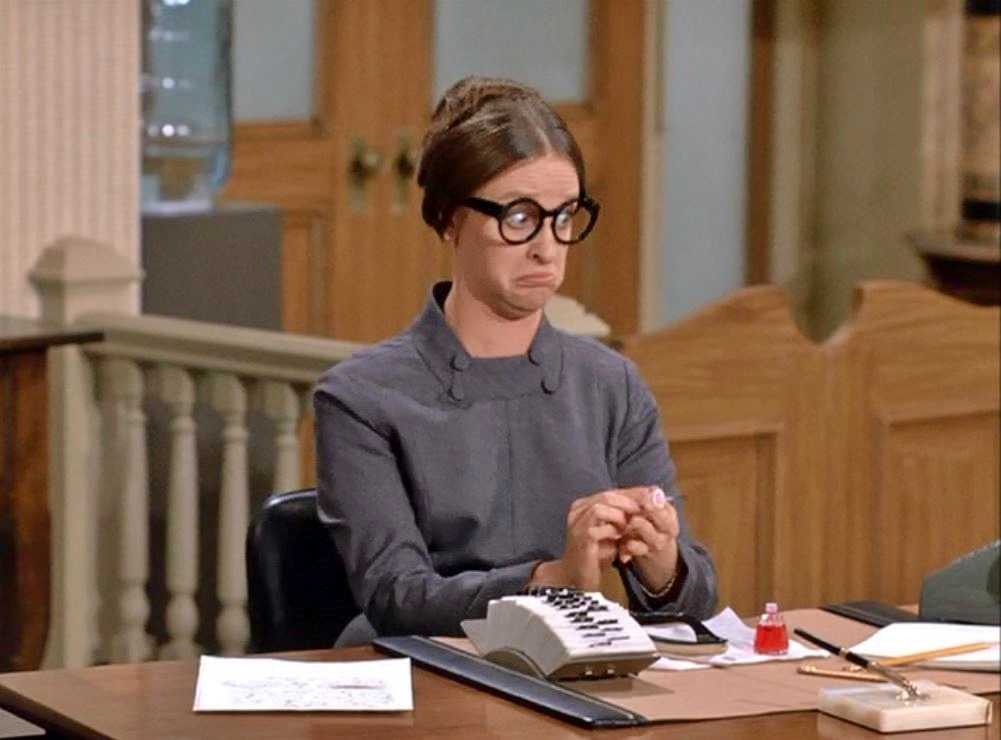
Susan Gaye Tolsky (1943-2022) was a character actress most famous for her role as Biddie Cloom on “Here Comes the Brides” (1968-70). Tolsky made her film debut in the film Pretty Maids All in a Row (1971) as Miss Craymire, secretary of Rock Hudson’s character.
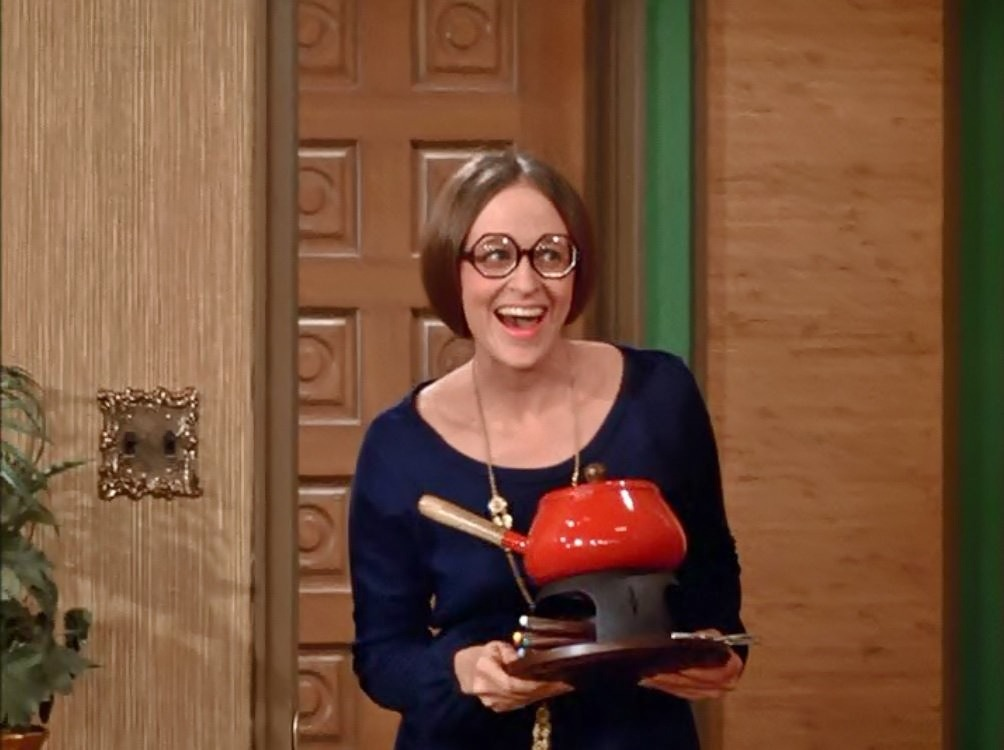 In February 1972, Tolsky appeared as Sue Ann Ditbenner, a neighbor of Kim Carter’s on the “Here’s Lucy” episode “Kim Finally Cuts You-Know-Whose Apron Strings” (HL S4;E24). This was also a pilot for a possible spin-off for Lucie Arnaz, but it was not picked up for series. Had it been sold, Tolsky would have played Kim’s whacky neighbor.
 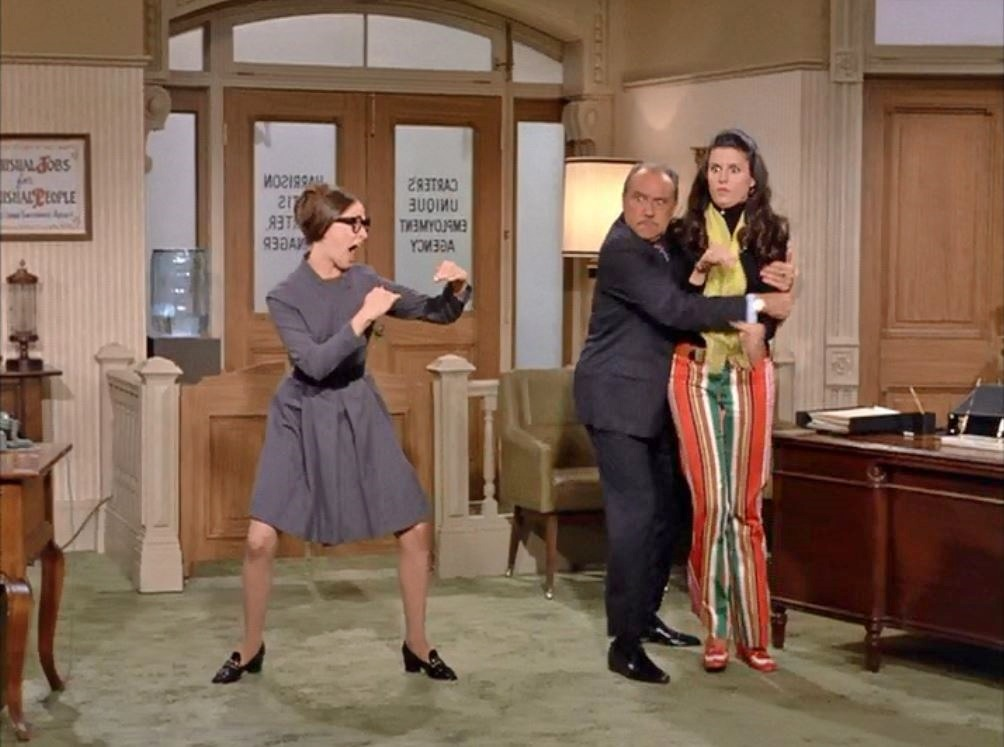 Possibly feeling bad for Tolsky about the failure of the spin-off, Lucille Ball re-hired Tolsky later in 1972, at the start of season five of “Here’s Lucy,” to play an off-beat secretary named Miss Quigley, who subs for Lucy at the Employment Agency while her broken leg is healing in “A Home is Not an Office” (HL S5;E4). Interestingly, on both episodes of “Here’s Lucy,” Tolsky has no scenes with Lucille Ball!
 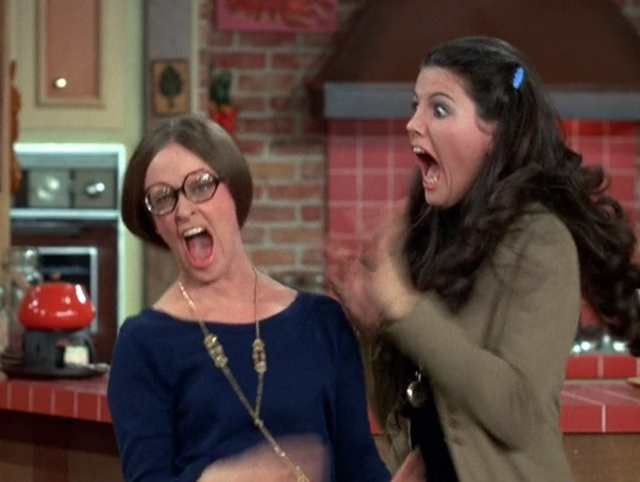 Tolsky died in North Hollywood on October 9, 2022, at the age of 79.
 -
RIP Leslie Jordan
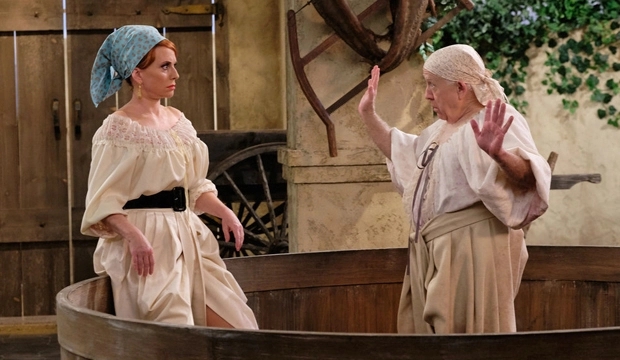
Leslie Jordan (1955-2022) died after injuries sustained in an automobile accident. An actor on stage and screen, Jordan appeared on “Will & Grace” and took part in the show’s tribute to “I Love Lucy” on April 9, 2020.
-
We’ve Swished Apartments!
The Papermoon Loves Lucy Blog has migrated from Tumblr! Please be patient while our new digs are under construction!

-
RIP PAT CARROLL
1927-2022

Patricia Ann Carroll was born in Shreveport, Louisiana. She was an actress and comedian best known for voicing Ursula in The Little Mermaid as well as having a long acting career on stage and screen.

Her first brush with Lucille Ball was through appearing in an episode of the Desilu sitcom “The Ann Sothern Show” titled “Pandora”. Lucille Ball had made a guest appearance on the series to kick off its transition from Sothern’s “Private Secretary.”

From 1961 to 1964 she played Bunny Halper on “The Danny Thomas Show” (originally titled “Make Room for Daddy”). Her husband Charley was played by frequent Lucy featured actor Sid Melton. While Carroll and Lucille Ball never acted together on screen, they did know each other. In an interview, Carroll remembered Lucy:

I don’t think we had many [female comedians] in the professional field until Lucy came along and made the whole career of ‘comedienne’ okay. You no longer had to be an ugly girl to be a comic. She made it possible for any young woman to do comedy anywhere. You know, when I was doing “The Danny Thomas Show” we were on the same lot where she and Desi did the Lucy show.
Lucille Ball used to come to my dressing room out of sentiment and I got to talk to her. We talked about her early days at MGM. She said, “I am doing work today that I was taught to do by Rags Ragland and Buster Keaton.” MGM kept them under contract and they taught comedy classes to the young contract players, Lucy being one.
She said, “They used to give us a prop to take home with us and study every part of it, get so familiar with it, we could throw it in the air, catch it and do anything we want. That has helped me so much.” I keep thinking of her using stilts in her show and how adept she was with any kind of prop.
How wonderful of her to give the credit was due. She was a very generous woman that way.

In addition to “The Danny Thomas Show,” Carroll also made a few appearances on Desilu’s game show “You Don’t Say”. From 1963 to 1969 she was a regular panelist on the show, playing doing more episodes than anyone except host Tom Kennedy. She played the game with Marty Allen, Richard Deacon, Sebastian Cabot, Marty Ingels, Bill Cullen, Brian Keith, Ken Berry, Mel Torme, Leonard Nimoy, Monty Hall, Rod Serling, and her TV husband Sid Melton, among others.
Carroll was an Emmy, Drama Desk and Grammy Award winner and a Tony Award nominee. She died at her home in Cape Cod at the age of 95. She is survived by her three children.

-
PICTURE PEOPLE: “PALM SPRINGS WEEK END”
1942

In 1942, Lucille Ball and Desi Arnaz appeared in an installment of PICTURE PEOPLE, a series produced by RKO to accompany screenings of RKO films in cinemas.
Only 3 episodes are known to exist out of the 23 produced. This episode is Season 2, Number 8, released March 27, 1942.
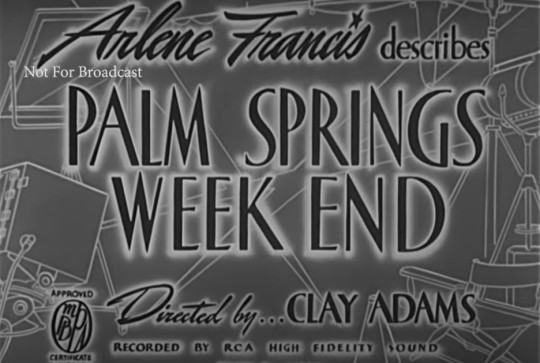
Lucy and Desi appear in “Palm Springs Week End” directed by Clay Adams narrated by Arlene Francis.
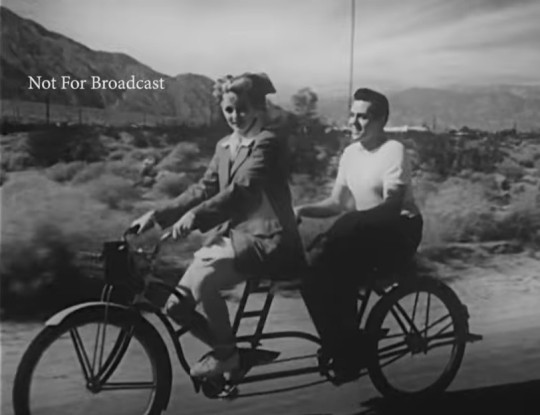
The couple is shown biking through the Palm Springs desert on a bicycle built for two.


They stop to take photos, and naturally Lucy’s mugs for the camera.

The pair are later scene poolside at the El Mirador Hotel watching comedy diving. The hotel boasted an Olympic-size swimming pool with five diving boards, an underwater window on the pool for use by photographers, and a pool observation platform. The hotel was demolished in 1978.
The film also includes:
- Michèle
Morgan and Paul Henried riding horses at Rogers Ranch. The pair starred in RKO’s Joan of Paris (1942). In “The Adagio” (S1;E12 ~ 1951) Ricky imitates Henried by smoking two cigarettes at once, just a Henried did in Warner Brothers’ Now Voyager (1942) with Bette Davis.
- Neil Hamilton creating a fire break by cutting down brush. Hamilton appeared with Lucille Ball in 1941′s Look Who’s Laughing for RKO.
- Gail Patrick is instructed how to shoot skeet by expert Carl Bradshaw. Ball and Patrick had done two films together at RKO.
- At the Racquet Club, owner Charles Farrell gives lessons to his wife, the film actress formerly known as Virginia Valli. Mr. Farrell is best remembered for “My Little Margie”, a CBS sitcom sponsored by Philip Morris that served as a summer replacement for “I Love Lucy.”
- Playing checkers courtside are Gene Lockhart and his daughter June. They wave to the Farrells. In 1947, Gene Lockhart was in Columbia’s Her Husband’s Affairs with Lucille Ball. The year before, June appeared in MGM’s Easy To Wed with Ball.
- On another court, a shirtless Peter Lorre plays against tennis pro Budge Patty and Bob Falkenberg. In 1942, Lorre appeared in Warner Brothers’ classic film Casablanca. Falkenberg’s movie star sister Jinx cheers him from the sidelines. She sits next to tennis champion Philip Reed. Charlie Farrell and Elyse Knox also watch the match.
- Freeman Gosden (Amos and Andy) and tennis champ Joe Hunt are amused by a mugging contest between Farrell and heavyweight champion / actor Max Baer. In 1942, Baer was featured in RKO’s The Navy Comes Through.

- Michèle
-


On ABC TV’s reality show “Claim To Fame” a contestant in a talent show competition paints her childhood idol Lucille Ball.
-
RIP LARRY STORCH
1923-2022

Lawrence Samuel Storch was an actor and comedian best known for his comic television roles, including the bumbling Corporal Randolph Agarn on “F Troop” (1965-67). He started acting on television in 1951. Several of his early appearances were at or for Desilu.

In February 1955, Larry Storch appeared on the Desilu variety series “Shower of Stars” titled “That’s Life.” Storch did an impression of a Russian radio reporter describing a baseball game.
In February 1964, he returned to Desilu for an episode of “The Greatest Show on Earth” titled “Clancy” co-starring with Jack Palance, Marta Kristin, and Edmund O’Brien.

In 1965, Storch appeared in the Blake Edwards film The Great Race, which also featured Vivian Vance in one of her rare screen roles. Lucille Ball visited the set to observe filming.

In August 1966 he appeared on the Desilu series “Vacation Playhouse,” an anthology series of unproduced pilots. This one was titled “My Lucky Penny” starring Richard Benjamin, Brenda Vaccaro, Joel Gray, and Jonathan Harris.

In November 1967, Storch played a bank robber on an episode of the Desi Arnaz sitcom “The Mothers-in-Law” titled “I Thought He’d Never Leave”. The episode was produced and directed by Elliott Lewis, husband of Mary Jane Croft. Wilbur Hatch was the show’s musical director. It was filmed at Desilu Studios.

That same year, Storch appeared in an episode of “Gomer Pyle: USMC”, which was filmed on the Desilu backlot. Storch played Manuel Cortez, who comes to America to observe the Marine Corps in action to help his country’s armed forces. In December 1968, he returned to play the character in one more episode of the series.

He was seen in an episode of “Mannix” – a show championed by Lucille Ball – in February 1968. The episode was titled “Another Final Exit” in which Storch played the down-and-out brother-in-law to a mobster. In 1974, Storch returned for a second episode titled “Portrait in Blues.”

Storch and Lucille Ball both appeared in “Ann-Margret: From Hollywood with Love” (1969). The second half of the special opened with Storch hosting a mock celebrity gossip show titled “Jeremy Farber’s Hollywood at Home”. Storch and Ball did not have share screen time.

In March 1976, the Bob Hope star-studded special “Joys!” (a pun on Jaws), featured (among many others) Larry Storch and Desi Arnaz Sr. Also in the cast was Storch’s childhood friend Don Adams.

In January 1978, Storch played Elwood Riggs on a two-part episode of “The Love Boat” that also featured Desi Arnaz Jr.
“I’ll never forget what Edward Everett Horton said to me: ‘Promise me, Larry, you will never grow old’. I’ve tried my best to use that advice.” ~ LARRY STORCH
Storch was married to his wife Norma from 1961 until her passing in 2003. They had one child. He was 99 years old.








-
Subscribe
Subscribed
Already have a WordPress.com account? Log in now.
 Papermoon Loves Lucy